
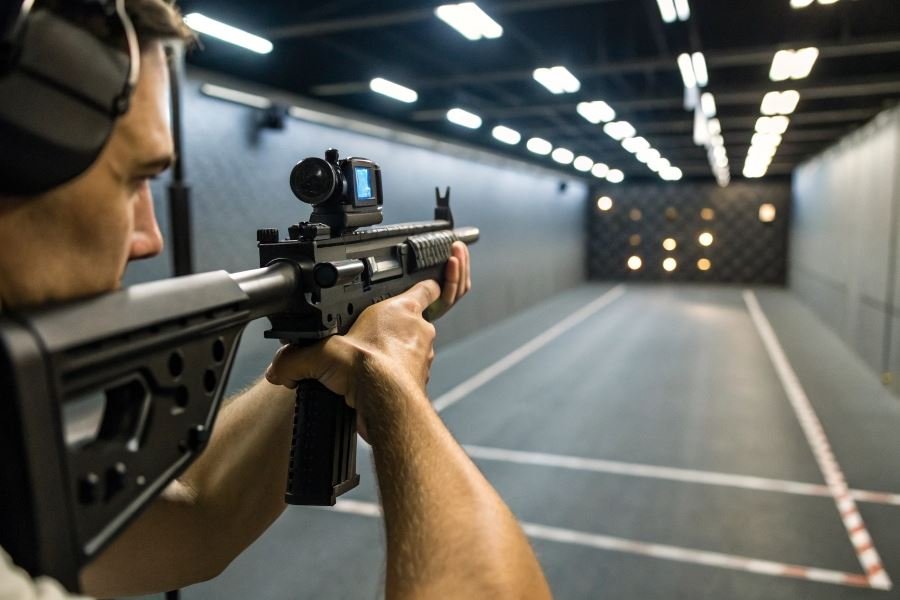
Ever watched a seasoned hunter move effortlessly through dense terrain, rifle perfectly positioned and ready? That’s not luck—it’s the magic of a properly selected gun sling. The right sling isn’t just an accessory; it’s the difference between fluid movement and frustrating fumbling when that once-in-a-lifetime shot presents itself.
Choosing the perfect gun sling transforms how you handle your firearm. Think of it as the unsung hero of your shooting setup—it distributes weight, enables quick transitions, and keeps your hands free when needed. But with countless options flooding the market, finding your ideal match requires understanding what makes a sling truly work for you.
Applications that demand different solutions
The tactical operator needs something vastly different from the competitive shooter. Tactical slings prioritize rapid weapon transitions and security during dynamic movements. Hunting slings focus on comfort during long treks and quick accessibility when game appears. Competition shooters need precision-oriented designs that maintain consistent positioning shot after shot.
What truly matters in your selection
Three factors should guide your decision: compatibility with your specific firearm, material durability that matches your environment, and adjustment capabilities that fit your body type and shooting style. The attachment points on your firearm, the weather conditions you’ll face, and your personal shooting stance all influence which sling will perform best.
Remember—the perfect sling feels like it’s not even there until the moment you need it. That’s when you’ll appreciate making an informed choice.
Material and Design: The Backbone of Gun Sling Selection
When selecting the perfect gun sling, material and design choices can make or break your shooting experience. The right combination delivers comfort during long hunts, quick accessibility in tactical situations, and reliable support when you need it most.
Let’s dive into how to choose a gun sling that matches your specific needs by examining the critical elements of materials, design configurations, and attachment systems. Each component plays a vital role in creating a sling that feels like a natural extension of both you and your firearm.
Material Matters: Strength Meets Comfort
The foundation of any quality sling starts with its material. Each option brings distinct advantages to the table:
Nylon webbing dominates the market for good reason. These slings offer exceptional durability, weather resistance, and typically cost between $20-40. Blue Force Gear produces some of the most respected nylon slings, featuring reinforced stitching that withstands years of field use.
Leather slings provide that classic aesthetic while offering surprising functionality. They conform to your body over time, creating a custom fit. However, they require maintenance with leather conditioner to prevent cracking and typically run $50-100 for quality options.
Bungee/elastic components deliver dynamic tension that absorbs movement shock. These hybrid slings, often incorporating nylon with elastic sections, excel for active shooters who transition positions frequently.
| Material | Durability | Weather Resistance | Comfort | Price Range |
|---|---|---|---|---|
| Nylon | Excellent | Excellent | Good | $20-40 |
| Leather | Good | Fair | Excellent | $50-100 |
| Bungee | Good | Good | Excellent | $30-60 |
Point Configuration: Freedom vs Control
The number of attachment points fundamentally changes how your firearm carries and deploys:
Single-point slings attach to one location on your firearm, typically near the receiver. They excel in close-quarters situations, allowing rapid transitions between shoulders and shooting positions. The downside? When not actively aiming, your firearm swings freely—potentially hitting knees or equipment.
Two-point designs connect at two locations (usually the stock and forend), distributing weight more evenly across your body. They offer superior stability during movement and better control when not actively shooting. Magpul produces the MS1 two-point sling that has become something of an industry standard.
Three-point configurations create a harness-like system with multiple connection points. While offering maximum stability and security, they’re more complex to adjust and can create entanglement risks in high-stress situations.
Attachment Systems: The Critical Connection
Even the finest sling becomes useless with incompatible or unreliable attachments:
QD (Quick Detach) swivels have revolutionized the industry with push-button convenience. These spring-loaded attachments allow instant connection/disconnection while maintaining rock-solid security when engaged.
HK-style hooks provide simplicity and durability but require compatible attachment points on your firearm.
Paraclips and carabiners offer universal compatibility but add weight and potential noise concerns.
Before finalizing your selection, verify your firearm has compatible mounting points—or be prepared to add aftermarket options like Midwest Industries QD sockets or rail-mounted attachment points.
The perfect sling balances material comfort, appropriate point design, and secure attachment systems. By carefully considering these three elements against your specific shooting needs, you’ll find a sling that enhances rather than hinders your shooting experience.
Sealing the Deal: Your Ultimate Gun Sling Decision
Finding the perfect gun sling isn’t just about picking any strap that holds your firearm—it’s about extending your shooting capabilities and enhancing your overall experience. After exploring the various types, materials, and attachment methods, it’s time to make that final, informed decision.
Match your sling to your shooting DNA
Your shooting style is as unique as your fingerprint. A competitive 3-gun shooter needs something dramatically different from a backcountry hunter trekking through mountain terrain.
For tactical applications, prioritize quick adjustability and transition capabilities. The Blue Force Gear Vickers Sling excels here with its rapid adjustment tab that lets you switch from tight carry to shooting position in seconds.
Hunters should focus on comfort during long carries and minimal noise. A padded leather or neoprene option with swivels that don’t clank against your rifle makes those dawn-to-dusk expeditions bearable.
Target shooters need stability above all else. A competition sling with precise tension adjustment will provide that rock-solid platform for improved accuracy.
The right sling doesn’t just carry your firearm—it becomes an extension of your shooting technique, enhancing rather than hindering your performance.
Top performers across the field
After testing dozens of models across various scenarios, these three consistently outperform the competition:
| Sling | Best For | Standout Feature | Price Range |
|---|---|---|---|
| Magpul MS4 Dual QD | All-purpose use | Converts between 1 and 2-point configurations | $50-60 |
| Viking Tactics VTAC | Tactical/Competition | Micro-adjustment system | $45-55 |
| Quake Industries Claw | Hunting | Non-slip rubber shoulder grip | $35-45 |
The Magpul MS4 earns its top spot through versatility—transitioning from secure two-point carry to dynamic single-point operation with a simple click. Its reinforced triglide adjusters maintain tension exactly where you set it, even after thousands of adjustments.
For those focused on tactical applications, the Viking Tactics sling offers unmatched quick-adjustment capability, allowing for instant transitions between tight carry and shooting positions.
Hunters will appreciate the Quake Claw’s innovative non-slip shoulder pad that virtually eliminates slippage even when wearing rain gear or technical fabrics.
Extending your investment
Even the finest sling requires proper maintenance to deliver years of reliable service:
- Regular inspection of all attachment points and hardware—look for fraying, cracking, or metal fatigue
- Clean according to material:
- Nylon/synthetic: mild soap and water, air dry completely
- Leather: specialized leather cleaner followed by conditioner
- Neoprene: gentle detergent, rinse thoroughly
Store your sling properly when not in use—hanging rather than folded prevents permanent creases and stress points. For leather slings, apply conditioner every 3-6 months to prevent drying and cracking.
The most overlooked maintenance tip? Rotate attachment points periodically to distribute wear evenly across the sling, especially if you frequently use quick-adjustment features in the same position.
With proper selection matched to your specific needs and consistent maintenance, your gun sling will remain a reliable shooting partner for years to come—enhancing both your carrying comfort and shooting performance through countless rounds downrange.