
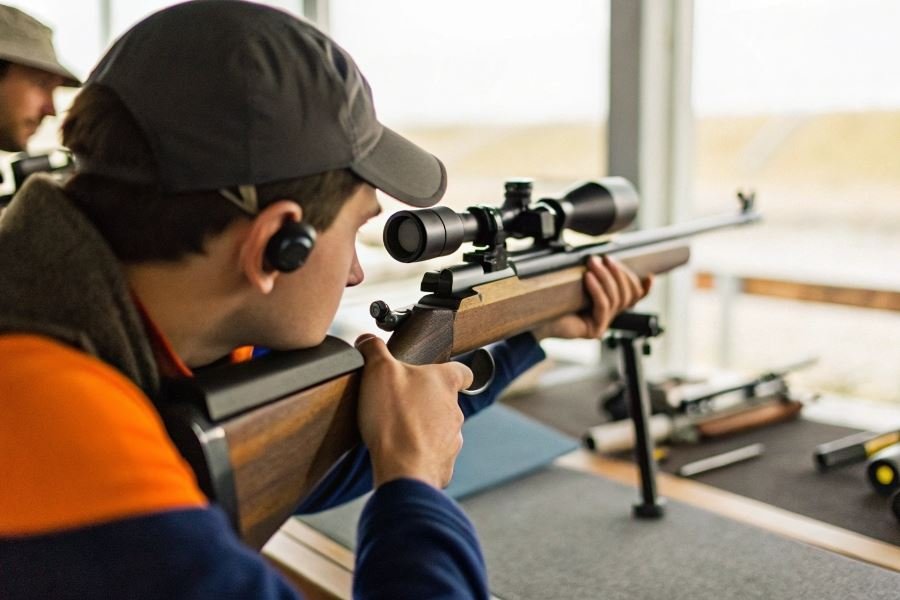
Ever stood at the firing line, felt the satisfying thunk of compressed air, and watched your pellet hit dead center? That moment of perfect accuracy doesn’t happen by accident—it starts with choosing the right pneumatic rifle.
Pneumatic air rifles harness the power of compressed air to propel pellets downrange, offering a perfect entry point for newcomers to the shooting sports. Unlike their firearm counterparts, these rifles deliver consistent performance without the complexity of gunpowder, recoil, or loud reports. But here’s the catch: selecting your first air rifle isn’t just about picking whatever looks cool on the shelf. It’s about finding a platform that will grow with you, keep you safe, and develop proper fundamentals from day one.
The mechanics matter more than you think. Pneumatic rifles come in three primary varieties: spring-piston, pre-charged pneumatic (PCP), and multi-pump pneumatics. Each system offers distinct advantages for different shooting styles. Spring-piston models provide simplicity and self-contained operation, while PCPs deliver match-grade accuracy and multi-pumps offer adjustable power without external equipment.
“The rifle you start with shapes the shooter you’ll become.” — This wisdom from competitive shooting circles highlights why your initial choice is so crucial.
Your selection will ultimately hinge on three critical factors: intended use (target shooting, plinking, or small game hunting), physical capabilities (strength and size), and budget constraints. Understanding these elements before making your purchase ensures you’ll find a pneumatic rifle that feels like an extension of yourself—comfortable, reliable, and perfectly matched to your shooting goals.
Finding Your Perfect Match: Essential Factors for Beginner Air Rifles
Let’s dive into the exciting world of air rifles! When you’re just starting out, selecting the right pneumatic rifle can feel overwhelming with all the options available. How to choose a pneumatic rifle for a beginner shooter depends on understanding three critical factors that will shape your shooting experience: power source, caliber, and physical fit. Getting these right from the start will dramatically accelerate your learning curve and enjoyment.
Power Source: The Heart of Your Air Rifle
Your rifle’s power source determines everything from maintenance requirements to shooting characteristics:
Spring-piston rifles offer the perfect entry point for newcomers:
- No external gas needed
- Lower initial cost ($150-300 for quality models)
- Teaches proper shooting technique due to recoil
- Requires more strength to cock
CO2-powered options deliver convenience with tradeoffs:
- Quick and easy to shoot
- Consistent power until cartridge depletes
- Performance varies with temperature
- Ongoing cost of CO2 cartridges
Pre-charged pneumatic (PCP) represents the premium choice:
- Exceptional accuracy and minimal recoil
- Multiple shots per fill (often 30+ shots)
- Higher initial investment ($400+ plus air tank/pump)
- Requires separate filling equipment
The power source you select isn’t just about performance—it’s about matching your shooting style, budget, and willingness to deal with maintenance.
Caliber Selection: Finding Your Sweet Spot
The three most common calibers each offer distinct advantages for beginners:
| Caliber | Pros | Cons | Best For |
|---|---|---|---|
| .177 | Flatter trajectory, cheaper ammo, less recoil | Less stopping power | Target shooting, small pests |
| .22 | Better energy transfer, versatile | More pronounced trajectory drop | General purpose, medium pests |
| .25 | Maximum impact energy | Expensive ammo, significant drop | Larger pests, shorter ranges |
For most beginners, the .177 caliber provides the ideal starting point—it’s forgiving, affordable, and perfect for developing fundamental skills. The Crosman 1077 exemplifies an excellent .177 starter rifle that won’t break the bank.
Physical Fit: The Overlooked Game-Changer
Nothing derails a beginner’s progress faster than an uncomfortable rifle. Consider these physical aspects:
Weight distribution matters more than total weight. A well-balanced 8-pound rifle often feels better during extended sessions than a poorly balanced 6-pound model. The Benjamin Marauder offers exceptional balance despite its substantial features.
Stock design should match your body type:
- Youth models feature shorter length-of-pull
- Adjustable combs accommodate different face shapes
- Ambidextrous stocks benefit left-handed shooters
Ergonomic grips reduce fatigue during longer shooting sessions, with textured surfaces providing confident handling in various weather conditions.
Remember that the rifle that feels comfortable during a 10-minute store inspection might cause fatigue during a two-hour shooting session. When possible, shoulder several models before making your decision, and don’t rush this critical choice—your perfect pneumatic partner is worth the careful consideration.
Top Pneumatic Rifles That Won’t Let You Down
Entry-Level Champions for New Shooters
The journey into air rifle shooting doesn’t need to be complicated or expensive. I’ve spent countless hours testing various models, and these three consistently deliver exceptional performance without breaking the bank:
Crosman 1077 – This CO2-powered semi-automatic offers remarkable accuracy at 10-15 yards. Priced around $120, it features a 12-shot rotary magazine and generates about 625 fps with standard pellets. The synthetic stock makes it weather-resistant and lightweight (just 3.8 lbs), perfect for extended practice sessions.
Gamo Swarm Magnum – A break-barrel powerhouse that delivers impressive 1,300 fps velocity with alloy pellets. The multi-shot inertia-fed system holds 10 pellets, eliminating constant reloading. At approximately $220, it offers tremendous value with its fiber optic sights and recoil-reducing technology.
Diana 34 P – German engineering at its finest. This spring-piston rifle delivers consistent 800 fps performance with exceptional accuracy. The $300 price point reflects its superior craftsmanship, including a beech stock and the renowned T06 trigger system that breaks like glass.
Maintenance That Pays Dividends
The care you give your air rifle directly impacts its performance and lifespan.
| Maintenance Task | Frequency | Benefits |
|---|---|---|
| Barrel cleaning | Every 500-1000 shots | Maintains accuracy, prevents lead buildup |
| O-ring inspection | Every 3 months | Prevents air leaks, maintains power |
| Stock wiping/oiling | After each use | Prevents moisture damage, preserves aesthetics |
| Trigger mechanism check | Annually | Ensures consistent trigger pull, prevents wear |
The CO2-powered Crosman requires the least maintenance but needs CO2 cartridges. Break-barrel models like the Gamo and Diana demand proper technique but reward you with decades of service when maintained correctly.
Pro tip: Apply a drop of silicone oil to the compression chamber every 1,000 shots for spring-piston rifles. This simple habit can double your rifle’s lifespan.
Smart Shopping and Essential Accessories
When purchasing your first pneumatic rifle, avoid big-box stores where staff knowledge may be limited. Instead, consider:
- Dedicated airgun retailers like Pyramyd Air or Airgun Depot offer expert guidance and comprehensive selection
- Local shooting clubs often have member discounts and can provide hands-on advice
- Manufacturer direct purchases sometimes include extended warranties or accessory bundles
Don’t leave the store without these critical accessories:
- Quality pellets – Invest in premium ammunition like JSB Exact or H&N Field Target Trophy. The $15-20 per tin is justified by dramatic accuracy improvements.
- Protective eyewear – Non-negotiable for safety. Look for ANSI Z87.1 certification.
- Pellet trap – A proper backstop prevents ricochets and property damage. The Champion Heavy Duty ($40) handles thousands of shots.
- Basic cleaning kit – A $25 investment that preserves accuracy and extends barrel life.
Skip the tactical accessories initially. Master the fundamentals with iron sights before considering scopes or other modifications. Your skills will develop faster, and you’ll make more informed upgrade decisions later.