
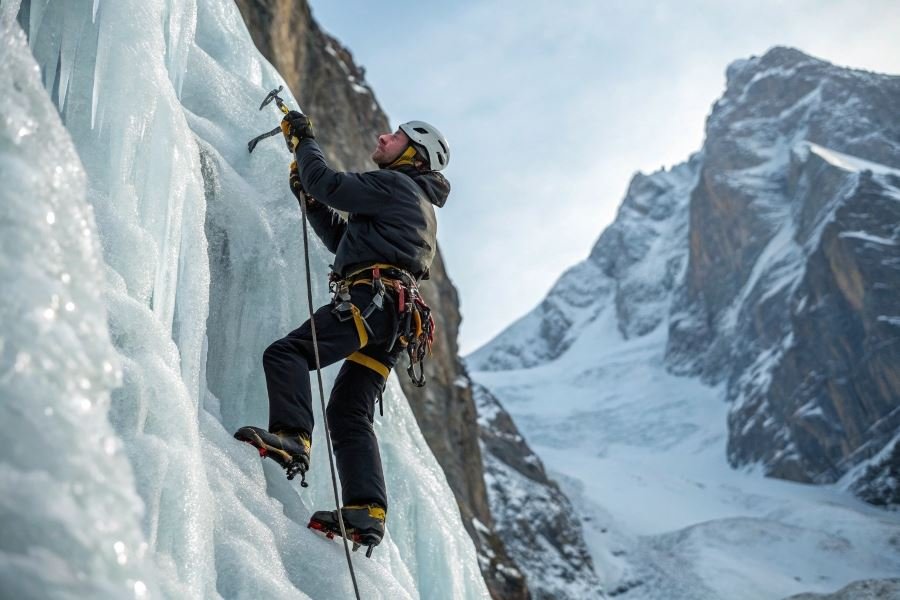
Ever watched a climber casually dip their hands into a white powdery substance before tackling an impossible-looking overhang? That’s not some pre-climb ritual—it’s the strategic application of a climber’s best friend: magnesia.
Magnesia (magnesium carbonate) serves as the invisible hero in the bouldering world, creating the crucial friction between your hands and the rock that can make the difference between sending a problem and sliding off. Unlike chalk used in gymnastics, climbing magnesia is specifically formulated to combat the enemy of every boulderer: sweat. When your palms start sweating during an intense climbing session, magnesia absorbs that moisture, maintaining the dry grip needed for those technical moves and powerful holds.
From gymnastics chalk to climbing essential
The climbing community borrowed magnesia from gymnastics in the late 1950s when John Gill, a mathematician and gymnast, introduced it to rock climbing. By the 1970s, it had become standard equipment in every climber’s arsenal. What began as a gymnast’s tool transformed into specialized formulations designed specifically for the unique demands of vertical adventures.
The science behind the powder
Magnesia works through a fascinating chemical process. Its molecular structure creates microscopic pores that actively draw moisture away from your skin. This isn’t just climber superstition—it’s chemistry in action. Studies have shown that properly applied magnesia can reduce hand moisture by up to 70%, significantly increasing friction coefficients between skin and rock surfaces.
The right magnesia application doesn’t just feel better—it measurably improves your climbing performance.
Chalk Up Your Game: Mastering Magnesia for Bouldering
When you’re hanging by your fingertips on that crucial crux move, the difference between sending and sliding often comes down to one thing: your chalk. The white powdery substance that dusts every climber’s hands isn’t just an accessory—it’s essential equipment. Understanding the nuances of magnesia for bouldering can dramatically improve your climbing performance, providing that crucial friction when you need it most.
Let’s dive into the chalk bag and explore the world of climbing magnesia. For both indoor gym sessions and outdoor projects, selecting the right type of magnesia for bouldering specifics and recommendations can make a significant difference in your grip security and overall climbing experience. Each format has distinct advantages that cater to different climbing styles, environmental conditions, and personal preferences.
Liquid vs. Powder vs. Chalk Ball: The Great Debate
Liquid Chalk: The secret weapon of competition climbers, liquid chalk creates a base layer that lasts significantly longer than traditional powder.
Application: Squeeze a dime-sized amount onto your palm, rub hands together until dry (typically 15-30 seconds), and you’re set for multiple problems.
Powder Chalk: The classic choice, offering immediate absorption and easy reapplication.
Application: Dip hands lightly into chalk bag, clap excess away to prevent unnecessary chalk clouds.
Chalk Balls: The environmentally conscious option that minimizes waste and chalk dust.
Application: Squeeze gently against palms to release just enough chalk without the mess.
| Chalk Type | Longevity | Mess Factor | Best For | Price Range |
|---|---|---|---|---|
| Liquid | 1-2 hours | Minimal | Competitions, humid conditions | $12-20 |
| Loose Powder | 10-15 minutes | High | Maximum absorption, dry conditions | $8-15 |
| Chalk Ball | 15-20 minutes | Low | Gym climbing, conservation areas | $10-18 |
Application Techniques for Maximum Grip
The difference between good and great chalk application isn’t just what you use—it’s how you use it. Proper technique ensures maximum coverage without wasting product or compromising grip.
The Base Layer Method:
- Start with clean, slightly damp hands
- Apply liquid chalk as a foundation
- Allow to dry completely
- Top with minimal powder chalk for problem-specific grip
The Strategic Coverage Approach:
- Focus chalk application on fingertips and high-pressure contact points
- Avoid over-chalking the center of your palm (creates slipping)
- Re-apply methodically between attempts, not habitually
“Chalk is a tool, not a ritual. Apply with purpose, not superstition.” – Professional climbers know that mindful application outperforms nervous re-chalking every time.
Environmental Ethics of the White Stuff
As climbing’s popularity has exploded since the early 2010s, so has our environmental impact. The white streaks on natural rock aren’t just unsightly—they can disrupt delicate ecosystems.
Indoor Considerations:
- Use chalk balls in gyms to minimize airborne particles
- Consider FrictionLabs or other brands with minimal additives for cleaner air quality
- Respect gym-specific chalk policies (some ban loose chalk entirely)
Outdoor Ethics:
- Pack out all chalk remnants from outdoor areas
- In sensitive areas, use colored chalk that matches the rock (Dark Matter makes excellent options)
- Consider chalk alternatives like Eco Chalk in areas with strict conservation guidelines
The climbing community’s relationship with magnesia continues to evolve as we balance performance needs with environmental responsibility. By selecting the right format, applying it effectively, and considering your impact, you’ll not only climb better but help preserve our climbing areas for generations to come.
Advanced Magnesia: Elevate Your Bouldering Game
Chalk isn’t just chalk when you’re hanging by your fingertips on a challenging boulder problem. The right magnesia can be the difference between sending your project or sliding off that crucial crimp. Let’s dive into the world of advanced magnesia strategies that can transform your climbing experience.
Elite magnesia products for every condition
Different climbing environments demand different chalk solutions. Here are the standout performers that deserve a place in your chalk bag:
| Product | Best For | Unique Feature |
|---|---|---|
| Black Diamond White Gold | Humid conditions | Ultra-fine texture with maximum moisture absorption |
| FrictionLabs Unicorn Dust | Competition climbing | Longest-lasting formula with minimal dust kickup |
| Mammut Liquid Chalk | Gym climbing & outdoors | Creates a base layer that extends chalk longevity |
The climbing community has embraced FrictionLabs since its introduction in 2013, revolutionizing how climbers think about chalk quality. Their pharmaceutical-grade magnesia offers unparalleled purity that mainstream brands simply can’t match.
Customizing your chalk strategy
Your hands are unique, and your chalk approach should be too. Here’s how to personalize your magnesia game:
For extremely sweaty hands:
- Start with liquid chalk as a base layer
- Apply loose chalk immediately after
- Reapply more frequently, focusing on fingertips
- Consider chalk with higher magnesium carbonate concentration
For normal to dry hands:
- Opt for chunky chalk blends that release gradually
- Apply less frequently to prevent over-drying
- Consider adding a small amount of climbing balm to your routine
Climate considerations:
“In desert conditions, your chalk strategy should focus on preventing over-drying, while in humid environments, maximizing absorption power becomes critical.”
For humid southeastern crags, combine liquid chalk with ultra-fine powder for maximum staying power. In arid western climbing areas, chunky chalk provides sufficient grip without drying your skin to the point of splitting.
Magnesia mastery: care and transport
Your premium chalk deserves premium treatment. Proper storage not only preserves effectiveness but stretches your dollar further.
Storage essentials:
- Keep chalk in airtight containers when not in use
- Store away from direct sunlight and extreme temperatures
- Use silica gel packets in your chalk bag during off-seasons
- Clean your chalk bag every 2-3 months to prevent contamination
Travel tips for the sending nomad:
- Pre-fill small refillable containers for day trips
- For air travel, liquid chalk is TSA-friendly while loose chalk may trigger inspections
- Pack chalk in double-sealed bags to prevent spills in your climbing pack
- Consider vacuum-sealed chalk portions for extended trips
Maintenance wisdom:
The effectiveness of your magnesia diminishes when contaminated with skin oils and dirt. Rather than constantly dipping into your chalk bag, pour small amounts into your hand to maintain purity in your main supply.
Remember that magnesia isn’t just about grip—it’s about confidence. When you know your chalk strategy is dialed, you can focus entirely on the problem ahead, not on whether your hands will slip at the crux. Experiment with these recommendations to find your perfect formula, and watch your bouldering performance reach new heights.