
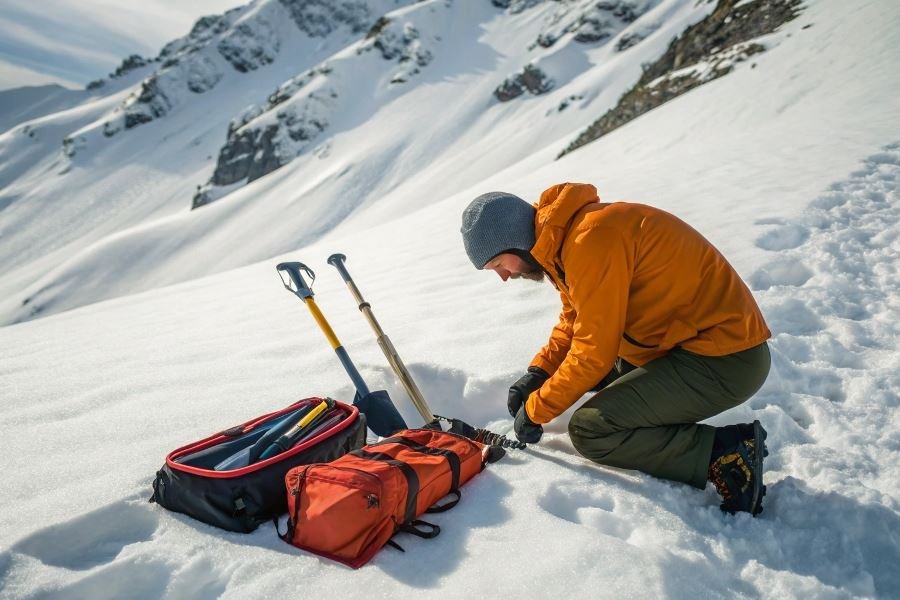
Ever stood at the edge of a snow-covered trail, watching experienced snowshoers glide effortlessly across pristine powder while you wonder how to join their ranks? That moment of winter wonder is just a pair of properly chosen snowshoes away.
Selecting the right snowshoes isn’t just about getting outdoors—it’s your ticket to safety, comfort, and pure winter joy. Think of snowshoes as your winter passport, transforming impassable terrain into your personal playground. The difference between struggling through snow and floating atop it comes down to making informed choices based on your body, the terrain, and snow conditions.
Safety first: Why proper fit matters
Your snowshoe selection directly impacts stability and maneuverability. Too small, and you’ll sink in deep snow; too large, and you’ll be tripping over your own feet. The right fit prevents falls and fatigue, especially crucial when you’re miles from the trailhead with temperatures dropping.
Key selection factors that make or break your experience
Three elements will guide your perfect match:
- Your weight (including gear)
- Terrain type (flat trails vs. steep backcountry)
- Snow conditions (powdery vs. packed)
The hidden benefits of snowshoeing
Beyond the obvious adventure factor, snowshoeing delivers impressive fitness benefits. A moderate snowshoe trek burns up to 600 calories per hour—outperforming running on the same time scale! It’s low-impact yet high-reward, offering cardiovascular benefits while strengthening stabilizing muscles rarely engaged in everyday activities.
The mental clarity that comes from crunching across a silent, snow-blanketed landscape? That’s the bonus that keeps enthusiasts coming back season after season.
Essential Factors for Choosing the Perfect Snowshoes
When winter blankets the landscape in pristine powder, there’s nothing quite like the peaceful exploration that snowshoeing offers. The right pair of snowshoes can transform a trudging ordeal into a floating adventure across winter wonderlands. Learning how to choose snowshoes for beginners doesn’t have to be complicated—it just requires understanding a few key factors that will dramatically impact your experience on the snow.
Matching Terrain to Your Snowshoe Design
The terrain you’ll be exploring is perhaps the most crucial consideration when selecting your first pair of snowshoes. Different landscapes demand different features:
Flat Terrain Snowshoes: These feature minimal crampons (the metal teeth underneath) and simpler bindings. Perfect for golf courses, parks, or gentle nature trails.
Rolling Hills: Require moderate traction and bindings that provide better support for traversing slopes. The MSR Evo models excel here with their balanced design.
Mountainous Landscapes: Demand aggressive crampons, heel lifts (to reduce calf strain on steep ascents), and robust bindings that keep your feet locked in place during technical maneuvers.
Beginners should honestly assess where they’ll be snowshoeing most frequently—buying mountaineering snowshoes for flat terrain is like bringing a chainsaw to slice bread.
Size Matters: Weight-to-Surface Area Ratio
Snowshoe sizing follows a simple principle: the heavier you are or the fluffier the snow, the larger the snowshoe you need.
| Your Weight | Packed Snow | Fresh Powder |
|---|---|---|
| Under 150 lbs | 21-22 inches | 25-27 inches |
| 150-200 lbs | 25-27 inches | 27-30 inches |
| Over 200 lbs | 27-30 inches | 30-36 inches |
Remember to factor in your fully loaded backpack weight! A day pack with water, snacks, and extra layers can easily add 10-15 pounds.
Pro tip: When in doubt between two sizes, go with the larger option for powder conditions and the smaller for packed trails where maneuverability matters more.
Frame Materials: The Aluminum vs. Composite Debate
The construction of your snowshoes significantly affects performance, durability, and price:
Aluminum Frames:
- Lightweight and durable
- Excellent for varied terrain
- Typically feature more sophisticated bindings
- Premium models like the Tubbs Mountaineer offer exceptional performance in challenging conditions
Composite Frames:
- More affordable entry point
- Quieter on crusty snow (aluminum can “click” on hard surfaces)
- Often more compact and easier to store
- Generally more durable against rock impacts
The Atlas Helium offers an interesting hybrid approach, combining aluminum frames with composite decking for a best-of-both-worlds solution.
For beginners just testing the snowshoeing waters, composite frames provide an excellent balance of affordability and performance. However, if you’re committed to making snowshoeing a regular winter activity, the investment in aluminum frames pays dividends in longevity and performance.
Remember that your snowshoes are only as good as their bindings—the mechanism that attaches your boot to the snowshoe. Look for bindings that are easy to adjust with gloves on and stay secure throughout your adventure. Nothing ruins a peaceful winter trek faster than constantly stopping to readjust loose bindings!
Sealing the Deal on Your First Snowshoes
Finding the perfect snowshoes isn’t just about technical specs—it’s about making a smart investment that matches your winter ambitions. Let’s break down the final considerations that will transform you from hesitant beginner to confident snowshoer.
Smart spending for snow adventures
Your snowshoe budget deserves careful consideration. Entry-level models from reputable brands like Tubbs or MSR typically range from 100 − 180, offeringreliableperformancewithoutbreakingthebank.Mid − rangeoptions(180-250) provide enhanced durability and comfort features that might justify the extra investment if you plan to hit the trails frequently.
Value isn’t just about price—it’s about cost per adventure. A $150 pair you use 30 times delivers more value than a $100 pair you abandon after three outings.
Consider the total investment: while premium models ($250+) offer advanced features like superior bindings and specialized traction, beginners rarely need these refinements. The sweet spot? Models that balance essential features (appropriate flotation, comfortable bindings, adequate traction) with reasonable pricing.
Test drive before commitment
Nothing beats hands-on experience. Most outdoor retailers like REI offer snowshoe demo days during winter months, providing perfect opportunities to test different models on actual snow. These events typically include expert guidance and allow you to compare multiple styles in a single session.
Rental options present another brilliant strategy:
| Rental Source | Typical Cost | Benefits |
|---|---|---|
| Outdoor Retailers | $15-25/day | Professional fitting, newest models |
| Nordic Centers | $12-20/day | Trail access included, staff expertise |
| Online Rentals | $40-60/week | Extended testing period, home delivery |
Many retailers apply rental fees toward purchase if you decide to buy the same model within 30 days—essentially providing a paid test run. This approach eliminates the guesswork and ensures your investment matches your actual experience on snow.
Beyond the snowshoes
Your snowshoeing experience depends on more than just the snowshoes themselves. Essential accessories include:
-
Trekking poles with snow baskets: These provide crucial stability and reduce strain on knees and ankles. Look for adjustable models from Black Diamond or Leki with ergonomic grips.
-
Waterproof, insulated footwear: Dedicated winter hiking boots or insulated waterproof trail runners provide the foundation for comfort. Your feet are the first point of contact with your snowshoes, making appropriate footwear non-negotiable.
-
Gaiters: These protective fabric shields prevent snow from entering your boots and keep your lower legs dry. Models from Outdoor Research offer excellent protection without breaking the bank.
-
Technical socks: Merino wool blends provide insulation even when damp and prevent blisters during extended outings.
The right accessories transform snowshoeing from a challenging workout into an exhilarating winter experience. Budget an additional $100-200 for these essentials—they’re not merely add-ons but critical components of your snowshoeing system.
When making your final decision, prioritize fit, intended terrain, and realistic usage patterns over flashy features. The best snowshoes aren’t necessarily the most expensive or technologically advanced—they’re the ones that get you outdoors consistently, comfortably, and confidently exploring winter’s hidden landscapes.