
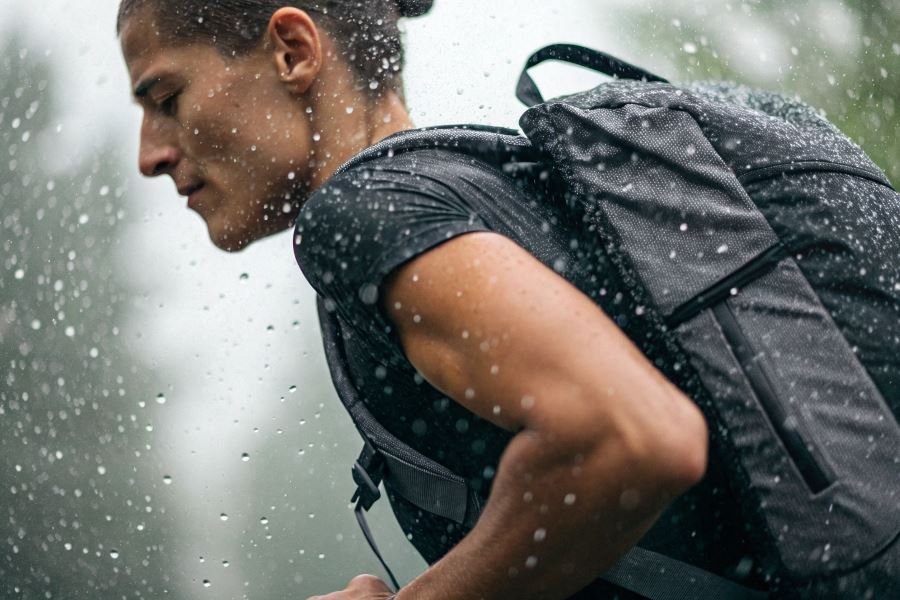
Ever tried juggling your water bottle, phone, and keys during a trail run? That frustration you felt was the exact problem that sparked a revolution in outdoor gear design.
Waist bags with bottle compartments represent the perfect fusion of convenience and functionality for active individuals. These aren’t your typical fanny packs – they’re sophisticated hydration solutions designed to keep your essentials secure and your water accessible without breaking stride.
The humble waist bag has undergone a remarkable transformation over the decades. What began in the 1980s as a fashion statement (often in neon colors) has evolved into specialized equipment for runners, hikers, and everyday adventurers. By the early 2000s, outdoor brands recognized the potential to integrate hydration solutions into these convenient carriers, and the bottle-equipped waist bag was born.
Why they’ve become essential gear:
- Hands-free hydration – Access your water without stopping or reaching for a backpack
- Weight distribution – Carries water at your center of gravity, reducing strain
- Minimalist approach – Carries just what you need without excess bulk
For active lifestyles, these specialized waist bags solve multiple problems simultaneously. They keep hydration accessible during long runs, hikes, or bike rides while providing secure storage for essentials like keys, energy gels, or a smartphone. The strategic placement at your waist means less bouncing and shifting compared to traditional backpacks or handheld bottles.
Whether you’re tackling a marathon or just need convenient hydration for a day of errands, these functional carriers have transformed from fashion accessories into indispensable gear for the movement-minded.
What Makes a Great Hydration Waist Pack
When you’re hitting the trails or pounding the pavement, staying hydrated without breaking stride is non-negotiable. The evolution of waist bags with a bottle compartment has transformed how athletes and outdoor enthusiasts manage their hydration needs. These specialized packs offer the perfect balance of accessibility and comfort, but not all are created equal.
Selecting the right waist bag with a bottle compartment requires attention to several key features that can make or break your experience. From insulation capabilities to ergonomic design, these functional accessories have become essential gear for anyone serious about maintaining performance during extended activities. The features of choice for waist bags with bottle compartments vary widely, making it crucial to understand what separates the exceptional from the merely adequate.
Bottle Compartment Engineering
The heart of any hydration waist pack is, naturally, its bottle compartment. The best designs feature angled holsters that allow for one-handed bottle retrieval and replacement—a game-changer when you’re focused on maintaining pace. Premium models from brands like Nathan and Salomon incorporate insulated bottle sleeves that can maintain your drink’s temperature for up to 2 hours.
Insulation quality matters tremendously. Look for double-wall construction with reflective materials that combat external temperatures. Some advanced models even incorporate phase-change materials that adapt to environmental conditions.
Material Matters
When it comes to durability and weather protection, material selection is paramount:
| Material Type | Durability Rating | Water Resistance | Weight |
|---|---|---|---|
| Ripstop Nylon | High | Good | Light |
| TPU-Coated Polyester | Very High | Excellent | Medium |
| Cordura | Exceptional | Good | Heavy |
The most versatile packs use TPU-coated polyester that delivers waterproofing without the weight penalty. For extreme conditions, look for sealed seams and water-resistant zippers that prevent moisture infiltration during unexpected downpours.
Remember that water resistance isn’t just about keeping rain out—it’s about protecting your electronics and essentials from sweat during high-intensity activities.
Ergonomic Excellence
The difference between a waist bag you forget you’re wearing and one that becomes a constant irritation comes down to ergonomics:
Contoured back panels that follow the natural curve of your lower back distribute weight evenly and minimize bouncing. Ultimate Direction pioneered the use of breathable mesh backing that reduces sweat accumulation—a small detail with enormous comfort implications.
Load stabilizers—those seemingly minor straps at the sides of quality waist packs—prevent the dreaded “rotation effect” during dynamic movements. They’re not just accessories; they’re essential for maintaining position during activities like trail running or hiking on uneven terrain.
Storage Solutions
The modern hydration waist pack has evolved far beyond a simple bottle holder:
- Quick-access pockets positioned for retrieval without breaking stride
- Compression systems that eliminate bulk when partially loaded
- Dedicated compartments for nutrition, keys, and smartphones
The most thoughtfully designed packs feature expandable storage that adapts to your needs. Some innovative models from Osprey include modular attachment points that allow customization based on activity requirements.
The strategic compartmentalization in premium waist bags allows you to organize essentials by priority of access—keeping energy gels separate from car keys, for instance.
When selecting your hydration waist pack, prioritize these essential features while considering your specific activity demands. The right choice will become an extension of your gear system rather than just another accessory.
The Ultimate Guide to Choosing Waist Bags with Bottle Holders
When you’re on the move, staying hydrated without sacrificing mobility is non-negotiable. That’s where waist bags with dedicated bottle compartments come in—they’re the unsung heroes of active lifestyles. But not all hydration belts are created equal, and choosing the wrong one can mean the difference between comfort and constant adjustment. Let’s dive into what really matters when selecting your perfect companion.
Match your activity to your pack
Different activities demand different features from your waist bag. The requirements for a trail runner differ dramatically from those of a bike commuter.
For runners, look for lightweight, bounce-free designs with compression straps that keep your bottle from jostling. The Nathan TrailMix excels here with its angled bottle holsters that allow for smooth draws without breaking stride.
Hikers need durability and capacity. Opt for ripstop nylon construction and bottles that hold at least 20oz. The Osprey Duro series offers reinforced stitching at stress points—critical when you’re miles from civilization.
Cyclists benefit from aerodynamic, low-profile designs that won’t interfere with pedaling mechanics. Many find that horizontal bottle placement works better than vertical when in riding position.
For daily urban use, prioritize style alongside function. Brands like Lululemon have mastered the art of creating waist bags that transition seamlessly from morning jog to coffee run.
Finding your perfect fit
The most feature-packed waist bag becomes useless if it doesn’t fit your body properly. Here’s what to consider:
Strap length matters more than you think. Most quality bags offer between 26-52 inches of adjustability, but verify this against your measurements.
Body shape considerations should guide your purchase. Broader-hipped users should look for designs with wider back panels that distribute pressure evenly, while those with narrower frames might prefer minimalist single-strap options.
Look for these adjustment features:
| Feature | Benefit |
|---|---|
| Elastic straps | Accommodates breathing and movement |
| Multiple attachment points | Customizable positioning |
| Quick-release buckles | Easy on/off without readjustment |
| Soft-edge webbing | Prevents chafing during extended wear |
The gold standard? Waist bags that offer both horizontal and vertical adjustment options, allowing you to position the bottle exactly where it feels most comfortable for your unique body mechanics.
Beyond the bottle
Today’s premium waist bags offer functionality that extends well beyond hydration:
RFID protection has become increasingly important for active travelers. Brands like Patagonia now incorporate RFID-blocking pockets to protect your credit cards and passport while on the move.
Visibility equals safety. Look for reflective elements strategically placed for 360-degree visibility. Some advanced models even incorporate LED lighting systems that can be recharged via USB.
Smartphone compatibility isn’t just about having a pocket that fits your device. Consider:
- Touch-compatible windows that allow operation without removal
- Headphone port access
- Waterproof compartments with sealed seams
The most innovative designs now include dedicated routing channels for hydration tubes and earbud wires, eliminating the annoyance of cords catching during activity.
Remember that the perfect waist bag strikes a balance between specialized features and versatility. The best investment is one that adapts to multiple activities while excelling at your primary use case.