
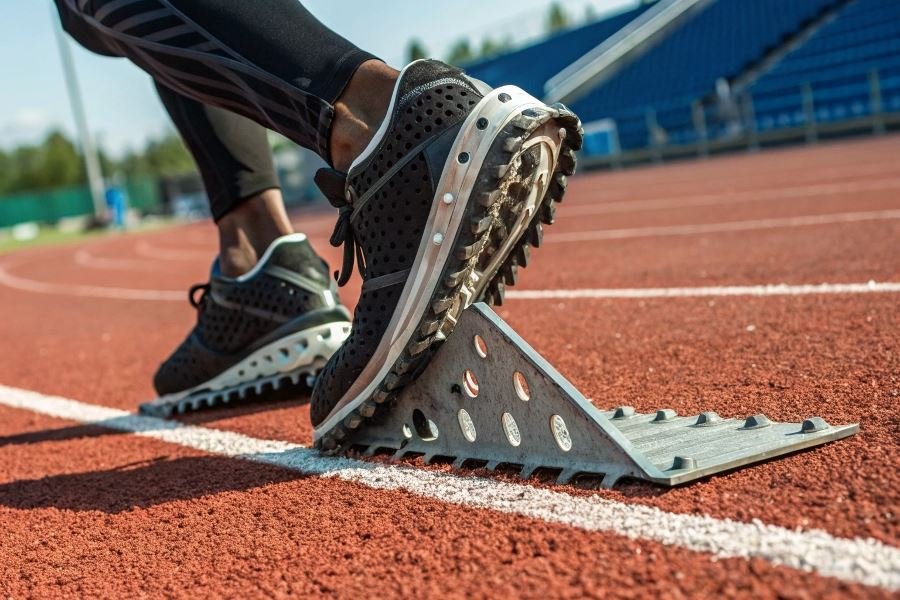
Ever wondered why your trusty running shoes feel like a dream in April but betray you in December? The answer isn’t in your imagination—it’s in the science of seasonal running gear. With injury rates among female runners spiking by 28% during seasonal transitions, your footwear choices matter more than you might think.
The world of women’s running shoes has evolved dramatically, recognizing that our feet face vastly different challenges across seasons. Summer demands breathability and moisture management as temperatures soar and feet swell, while winter requires enhanced traction and insulation against harsh elements. This isn’t just about comfort—it’s about performance optimization and injury prevention.
The seasonal performance equation
When temperatures drop below freezing, standard summer running shoes lose up to 30% of their cushioning effectiveness. Meanwhile, wearing heavily insulated winter models during summer runs can increase foot temperature by 7-10°F, significantly affecting performance and potentially causing blisters and hot spots.
“Seasonal shoe rotation isn’t a luxury—it’s essential equipment strategy for serious runners,” notes elite running coach Melissa Thompson. “The right footwear can extend your running season by months.”
Women’s running biomechanics present unique considerations across seasons. Research shows female runners typically experience greater Q-angle variations with temperature changes, requiring specific seasonal adaptations in footwear stability features. Additionally, proper seasonal selection can extend your shoe lifespan by up to 40%, turning what seems like an extra expense into smart long-term investment.
Your running journey doesn’t pause when seasons change—and neither should your performance potential. The right seasonal footwear isn’t just about surviving the elements—it’s about thriving in them.
Summer Running Shoes That Elevate Women’s Performance
When temperatures rise, your running footwear needs to adapt. Summer running demands shoes that work with your body’s natural cooling systems while providing the support and protection needed for peak performance.
Essential Features of Summer Running Shoes
Breathability Is Non-Negotiable
The defining characteristic of an exceptional summer running shoe is breathability. During hot weather runs, feet can produce up to four times more sweat than in cooler conditions. Superior ventilation systems prevent that moisture from becoming your enemy.
The seasonal selection of summer and winter running shoe models for women reflects how dramatically our footwear needs change throughout the year. While winter models prioritize insulation and water resistance, summer designs focus on keeping feet cool and dry through engineered mesh uppers that allow continuous airflow.
Top summer running shoes feature:
- Engineered mesh uppers with strategic ventilation zones
- Perforated sock liners that allow moisture to escape
- Minimal overlays to reduce heat retention
- Quick-drying materials that prevent soggy discomfort
- Lightweight design (typically 15-25% less than winter counterparts)
- Active moisture management systems (hydrophobic linings, antimicrobial treatments)
- Quick-draining designs for sudden downpours
- Removable insoles for thorough drying between runs
Shoes for Different Running Environments
Your running environment dictates specific shoe requirements:
Road Running
- Full-length foam cushioning with heat-dissipating properties
- Streamlined outsoles with strategic rubber placement
- Reflective elements for early morning or evening visibility
Trail Running
- Debris-resistant mesh that prevents entry while allowing airflow
- Rock plates that protect feet without excessive weight
- Self-cleaning lug patterns that shed mud efficiently
- Quick-draining construction for stream crossings
Track Workouts
- Ultra-lightweight construction (often under 6 ounces)
- Minimal heel-to-toe drop for efficient form
- Strategic spike placement for optimal traction
Top 3 Women’s Summer Running Shoes
| Model | Best For | Weight | Key Features |
|---|---|---|---|
| Nike Air Zoom Pegasus 39 | Versatile daily training | 8.2 oz | React foam, dual Zoom Air units, engineered mesh upper |
| Brooks Ghost 15 | Long-distance comfort | 9.1 oz | DNA LOFT v2 cushioning, 3D Fit Print upper, segmented crash pad |
| Saucony Kinvara 14 | Speed work & racing | 7.2 oz | PWRRUN foam, FormFit technology, minimal upper construction |
The Nike Air Zoom Pegasus delivers exceptional breathability through its engineered mesh upper while maintaining the responsive ride that’s made it a perennial favorite. For runners seeking maximum cushioning without heat buildup, the Brooks Ghost 15 offers temperature-regulating materials throughout its construction. Speed-focused runners will appreciate the Saucony Kinvara’s minimal upper that practically disappears on foot while providing surprising durability.
Choose your summer running shoe based on your specific needs, and you’ll enjoy cooler, more comfortable miles throughout the hottest months.
Conquering the Cold: Winter Running Shoes for Women
Weatherproofing that actually works
When temperatures plummet and snowflakes start to fall, fair-weather runners retreat indoors. But for the dedicated athlete, winter is just another season to conquer. The foundation of cold-weather running success? Properly designed winter running footwear.
Unlike standard running shoes, winter models incorporate critical weatherproofing technologies that make the difference between misery and triumph. The gold standard for winter running shoes includes GORE-TEX membranes or similar waterproof barriers that create an impenetrable shield against slush and snow while maintaining breathability. This isn’t marketing hype—it’s essential technology that keeps feet dry when conditions turn hostile.
Insulation represents another critical component, with brands like Saucony and Brooks incorporating specialized thermal linings that trap body heat without excessive bulk. The best winter models maintain a delicate balance: enough warmth to prevent numbness but sufficient breathability to prevent overheating and moisture buildup.
The difference between a good winter running shoe and a great one isn’t just warmth—it’s intelligent warmth that adapts to changing conditions.
Traction systems have evolved dramatically, with specialized rubber compounds that maintain grip flexibility even in sub-freezing temperatures. Look for deep, multi-directional lugs (5-8mm is ideal) and carbon-infused rubber outsoles that bite into packed snow and maintain stability on unpredictable surfaces.
Mastering winter running conditions
Winter running demands more than just appropriate footwear—it requires strategic adaptation. When navigating snow-covered trails or icy sidewalks, modify your stride to prioritize stability over speed. Shorter steps with a midfoot landing reduce slip potential and improve recovery from unexpected slides.
Visibility becomes a critical safety factor during winter’s shortened daylight hours. Premium winter running shoes now incorporate reflective elements strategically positioned for 360-degree visibility. Some advanced models feature integrated LED lighting systems that provide up to 30 feet of visibility to oncoming traffic.
Trail running techniques translate well to winter road running—keep your gaze 10-15 feet ahead to anticipate terrain changes, and maintain a slightly lower center of gravity on questionable surfaces. Your winter running shoes should support these adaptations with enhanced ankle stability and protective toe caps that shield against hidden obstacles beneath the snow.
Winter warriors: Top performing women’s models
| Model | Standout Feature | Best For | Price Range |
|---|---|---|---|
| Nike Shield Pegasus | Water-repellent Shield upper with enhanced reflectivity | Urban winter running with mixed precipitation | $130-150 |
| Salomon Speedcross 5 GTX | 6mm lugs with Contagrip TA compound for ice grip | Technical trail running in deep snow conditions | $160-180 |
| New Balance Fresh Foam More Trail v2 | Vibram Arctic Grip outsole with maximum cushioning | Long-distance winter road and light trail running | $165-185 |
The Nike Shield Pegasus excels in versatility, handling everything from light snow to winter rain with its water-repellent upper. The integrated gaiter attachment points allow for additional protection when conditions deteriorate, while maintaining the responsive ride Pegasus fans expect.
For serious winter trail enthusiasts, the Salomon Speedcross 5 GTX delivers uncompromising performance with its aggressive lug pattern and protective GORE-TEX membrane. The quick-lace system works brilliantly with gloved hands, and the protective toe cap shields against hidden rocks and roots.
The New Balance Fresh Foam More Trail v2 strikes the perfect balance between cushioning and winter performance. Its Vibram Arctic Grip outsole technology provides confidence-inspiring traction on icy surfaces, while the generous midsole cushioning reduces impact stress during longer winter training runs.
Winter running isn’t about survival—it’s about thriving in challenging conditions with equipment engineered specifically for cold-weather performance. The right footwear transforms winter from an obstacle into an opportunity.