
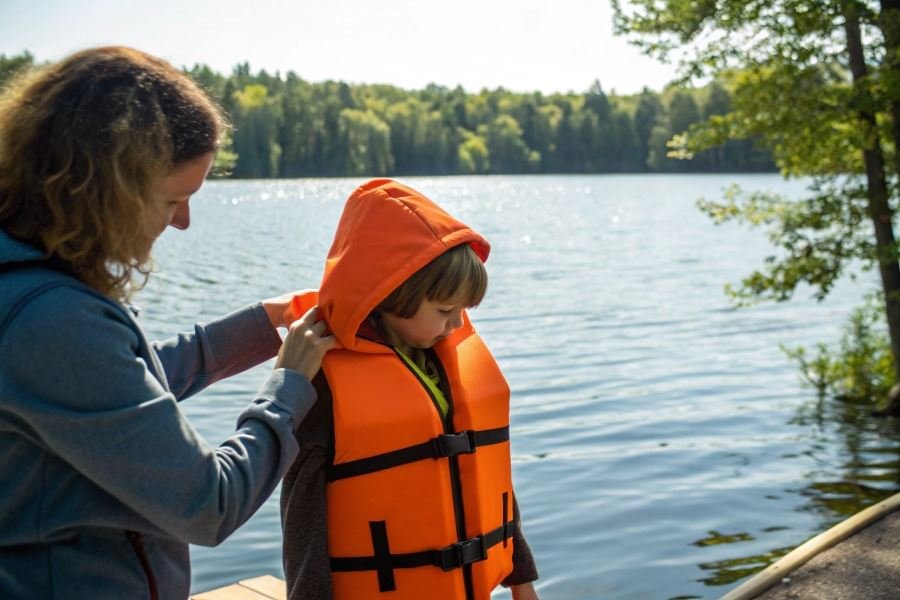
Did you know that drowning claims nearly 4,000 lives annually in the United States alone? A properly fitted swimming vest can be the difference between a day of aquatic fun and an unthinkable tragedy. Whether you’re planning a family lake outing or training for your next triathlon, understanding swimming vest safety isn’t just important—it’s essential.
When selecting a swimming vest (also called a personal flotation device or PFD), safety should never take a backseat to style or comfort. The right vest must keep your head above water even if you’re unconscious, while allowing enough freedom of movement to enjoy your water activities. Think of it as insurance you wear—you hope you’ll never need it, but when you do, nothing else will do.
The flotation foundation
Swimming vests come in several distinct categories, each designed for specific water conditions and activities:
- Type I vests offer maximum buoyancy for open, rough waters
- Type II vests work well for calm, inland water where quick rescue is likely
- Type III vests provide comfort for water sports while conscious
- Type IV devices aren’t wearable but can be thrown to someone in distress
- Type V vests are specialized for specific activities like kayaking or sailing
Critical selection criteria
When evaluating swimming vests, focus on these key factors:
- Proper sizing – A vest should fit snugly without riding up when lifted by the shoulders
- Buoyancy rating – Higher numbers (measured in pounds) provide more flotation
- Visibility – Bright colors and reflective materials increase your chances of being spotted
- Coast Guard approval – This certification ensures the vest meets rigorous safety standards
Remember: the best swimming vest is the one you’ll actually wear. Finding the balance between safety features and comfort is your ultimate goal.
Life-Saving Features That Define Quality Swimming Vests
When water safety is on the line, the difference between a good swimming vest and a great one can literally be life-saving. The market is flooded with options, but understanding the essential safety criteria for choosing a swimming vest requires diving deep into technical specifications that truly matter when you’re in the water.
Buoyancy ratings aren’t just numbers—they’re your insurance policy. The fundamental purpose of any swimming vest is to keep you afloat, and buoyancy ratings tell you exactly how much lifting power the vest provides. Most adult vests offer between 15-22 pounds of buoyancy, while children’s vests typically range from 7-12 pounds. How to choose a swimming vest: main safety criteria begins with matching the buoyancy rating to the wearer’s weight and swimming ability. A general rule: non-swimmers need higher buoyancy ratings than confident swimmers of the same weight.
Buoyancy That Matches Your Needs
The Coast Guard categorizes personal flotation devices (PFDs) into five types:
| Type | Buoyancy | Best For | Turn-Over Capability |
|---|---|---|---|
| Type I | 22+ lbs | Open water, rough conditions | Will turn most unconscious wearers face-up |
| Type II | 15.5+ lbs | Calm, inland waters | May turn some unconscious wearers face-up |
| Type III | 15.5+ lbs | Supervised activities, good swimmers | Wearer must turn themselves |
| Type IV | 16.5+ lbs | Throwable devices | N/A |
| Type V | Varies | Special use | Varies by design |
Material quality determines not just comfort, but longevity and performance. Premium swimming vests use closed-cell foam that won’t absorb water or lose buoyancy over time. The outer shell should be made of rip-stop nylon or polyester with at least 200 denier thickness for adequate durability. Look for double-stitched seams and reinforced stress points—these construction details prevent failure when you need the vest most.
Material Standards Worth Your Attention
- UV resistance: Prevents degradation from sun exposure
- Mildew resistance: Critical for vests used in saltwater environments
- Chemical resistance: Important for pool use where chlorine exposure is constant
- Tear strength: Minimum 15 pounds of force to tear
The most overlooked aspect of swimming vest safety is proper fit. A perfectly engineered vest with incorrect sizing becomes dangerously ineffective. Chest measurements should be your primary sizing guide, not weight alone. The vest should fit snugly without riding up when you raise your arms or enter the water.
Adjustment Features That Save Lives
Multiple adjustment points create a customized fit that prevents the vest from shifting during activity. Quality vests include:
- Side adjustments for torso length
- Shoulder straps with quick-release buckles
- Chest straps to prevent upward movement
- Crotch straps for children’s vests to prevent slipping out
Test the fit by lifting the shoulders of the vest—if it rises past the wearer’s chin, it’s too loose. For children, the “thumb test” is essential: you should only be able to fit two fingers between the vest and their shoulders.
Remember that even the highest-rated Stearns or O’Neill vest becomes ineffective if it doesn’t stay on the body. The best swimming vests combine superior buoyancy materials with thoughtful adjustment systems that keep the vest securely in place during water activities—creating that perfect balance of safety, comfort, and performance that water enthusiasts deserve.
Sealing the Deal on Swimming Vest Safety
When it comes to water safety, your swimming vest choice isn’t just another purchase—it’s potentially life-saving equipment. After exploring materials, fit considerations, and certification standards, let’s bring everything together to ensure you’re making the absolute best choice for your water adventures.
The safety trifecta you can’t ignore
The perfect swimming vest sits at the intersection of three critical factors. First, proper certification from organizations like the U.S. Coast Guard isn’t just a nice-to-have—it’s non-negotiable. Second, a precise fit that allows comfortable movement while preventing ride-up is essential. Finally, appropriate buoyancy rating for your body weight and water conditions completes the safety foundation.
Remember that different activities demand different features. Open water swimming requires higher visibility colors and reflective elements, while river activities might necessitate additional impact protection.
The best swimming vest is the one you’ll actually wear consistently. Comfort and proper fit dramatically increase the likelihood of regular use.
Extending your vest’s protective lifespan
Even the highest-quality swimming vest requires proper maintenance to maintain its safety profile. Implement these practices to ensure your vest performs when you need it most:
- Rinse thoroughly after each use with fresh water, especially after exposure to saltwater, chlorine, or sand
- Air dry completely before storage—never machine dry or expose to direct heat sources
- Store in cool, dry locations away from direct sunlight, which can degrade materials
- Conduct regular inspections for tears, worn straps, or compromised buoyancy chambers
Most manufacturers recommend replacing swimming vests every 3-5 years, even with perfect maintenance. Materials naturally degrade over time, and safety standards continue to evolve.
Matching vests to water adventures
| Activity Type | Recommended Features | Priority Considerations |
|---|---|---|
| Recreational Swimming | Soft foam, flexible design | Comfort, freedom of movement |
| Whitewater Sports | Extra torso coverage, quick-release buckles | Impact protection, emergency exit |
| Open Water | High visibility colors, reflective elements | Visibility, extended buoyancy |
| Family Use | Adjustable straps, crotch straps for children | Adaptability, preventing ride-up |
For families, investing in quality is particularly crucial. Children’s swimming vests from brands like Stearns offer growing room without compromising safety, while adult options from O’Neill blend performance with comfort.
The final verdict
Your ideal swimming vest balances technical specifications with practical usability. Don’t compromise on certification standards, but also consider how the vest feels during extended wear. Test mobility by mimicking swimming motions before purchase, and verify all buckles and closures operate smoothly.
Remember that water conditions change, and so might your needs. Many experienced water enthusiasts maintain multiple vests for different activities—a lightweight option for calm water swimming and a more robust design for challenging conditions.
By prioritizing proper fit, appropriate buoyancy, and regular maintenance, your swimming vest becomes not just safety equipment, but a trusted companion for countless water adventures. Choose wisely—your safety depends on it.