
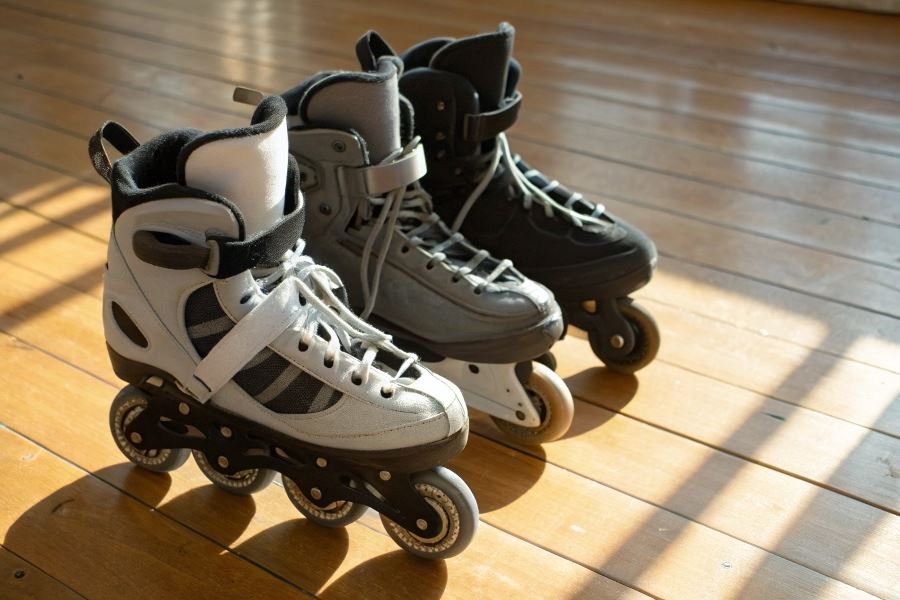
Ever watched a skater glide effortlessly across a polished rink floor, then struggle moments later on rough asphalt? The secret isn’t in their technique—it’s under their feet. The right wheels can transform your skating experience from frustrating to phenomenal.
Choosing roller skate wheels might seem straightforward, but it’s actually a science that balances physics, personal preference, and purpose. Think of wheels as the tires on your car—they’re the only part touching the ground, making them crucial for control, speed, and safety. The difference between a smooth ride and a face-plant often comes down to those four circles beneath you.
When selecting the perfect wheels for your skates, three critical factors come into play: hardness (durometer), size (diameter), and profile (shape). Each element dramatically affects your performance across different surfaces and skating styles. A wheel that excels for derby racing might be disastrous for dance skating or outdoor cruising.
“The right wheel isn’t about price—it’s about matching your skating environment and goals.”
Hardness ratings (measured on the durometer A scale) typically range from 78A (soft, grippy) to 101A (rock-hard, slippery). Diameter usually falls between 57-65mm, with larger wheels offering more speed but less maneuverability. Meanwhile, wheel profile—from rounded to flat—determines your contact patch with the ground, affecting stability and agility.
Your skating style demands specific wheel characteristics. Jam skaters need responsive wheels for quick movements, while trail skaters require durability and shock absorption. The surface you skate on matters just as much—indoor rinks, skate parks, and sidewalks each call for different wheel properties.
Wheel Wisdom: The Rolling Heart of Your Skates
When you’re gliding down a smooth pathway or executing perfect crossovers at the rink, it’s easy to forget what’s actually connecting you to the surface below. Your wheels are the unsung heroes of your skating experience, and choosing the right ones can transform your ride from merely acceptable to absolutely exhilarating.
Understanding how to choose wheels for roller skates: a complete guide begins with recognizing that wheels aren’t just round pieces of urethane—they’re engineered components with specific characteristics designed for particular skating styles and surfaces. The perfect wheel choice can mean the difference between struggling to maintain balance and feeling like you’re floating on air.
Durometer: The Science of Squish
Wheel hardness, measured on the durometer scale, might be the single most important factor in your wheel selection journey.
Soft wheels (78A-85A) feel grippy and forgiving. They absorb vibrations like a dream, making them perfect for:
- Outdoor skating on rough surfaces
- Beginners seeking stability
- Derby skaters who need reliable grip for quick direction changes
Hard wheels (88A-103A) deliver speed and slide with minimal resistance. They’re the go-to for:
- Indoor rink skating on polished floors
- Jam skaters performing technical footwork
- Speed skaters focused on maximum velocity
The durometer sweet spot for most recreational skaters is 85A-88A—versatile enough for various surfaces while still offering decent speed and grip.
Size and Profile: Dimensions That Define Performance
Wheel diameter and shape dramatically influence your skating experience:
| Size Range | Best For | Characteristics |
|---|---|---|
| 57-62mm | Agility & tricks | Quick acceleration, responsive turns |
| 62-65mm | All-around use | Balanced speed and stability |
| 65-70mm | Distance & speed | Higher top speeds, momentum retention |
The profile (cross-sectional shape) matters just as much as size:
Rounded profiles excel at maneuverability, allowing for smoother transitions between edges—perfect for dance skating and artistic movements.
Square profiles maximize surface contact, providing stability and predictable grip that’s ideal for derby and rhythm skating.
Hybrid profiles offer the best of both worlds with a flat center and rounded edges, making them versatile for skaters who don’t want to swap wheels constantly.
Hub Heroes: Core Construction Considerations
The wheel’s core—that central structure hidden beneath the urethane—plays a crucial role in performance:
Aluminum cores provide:
- Superior strength-to-weight ratio
- Excellent heat dissipation during intense sessions
- Premium performance for serious speed skaters
Nylon cores from manufacturers like Sure-Grip offer:
- Lighter weight than aluminum
- Sufficient durability for most recreational skaters
- Cost-effective performance
Hollow core designs deliver:
- Weight reduction without sacrificing structural integrity
- Improved acceleration due to decreased rotational mass
- A responsive feel that advanced skaters appreciate
The interaction between your core and urethane affects how energy transfers from your body to the skating surface. A rigid core with softer urethane gives you the perfect combination of power transfer and shock absorption.
Remember that wheel selection isn’t just about buying the most expensive option—it’s about finding the perfect match for your skating style, environment, and goals. The right wheels don’t just roll; they become an extension of your skating identity.
The Final Roll Call: Choosing Your Perfect Skate Wheels
Selecting the right wheels for your roller skates isn’t just about picking what looks cool—it’s about finding that sweet spot where performance meets your personal skating journey. Let’s bring all the crucial factors together to help you make a decision you won’t regret when you hit the rink, street, or park.
Matching Wheels to Your Skating Reality
Your skating environment dictates your wheel needs more than anything else. Here’s how to nail the perfect match:
Indoor Skating: Harder wheels (95A-103A) deliver that lightning-quick response on smooth, polished surfaces. The 57-62mm diameter range gives you the ideal balance of speed and control for those tight indoor maneuvers.
Outdoor Adventures: Softer wheels (78A-85A) absorb the shock from rough pavements and unexpected debris. Go for larger diameters (62-70mm) to roll over cracks and pebbles that would stop harder wheels dead in their tracks.
Your skating style is equally important as your environment. Aggressive skaters need harder, smaller wheels for tricks, while endurance skaters benefit from larger, medium-hardness wheels that maintain momentum.
For hybrid skaters who refuse to be limited to one terrain, consider:
| Skating Style | Recommended Durometer | Ideal Diameter | Best For |
|---|---|---|---|
| Derby/Speed | 88A-95A | 59-62mm | Quick transitions and controlled speed |
| Recreational | 82A-88A | 62-65mm | Versatility across different surfaces |
| Rhythm/Dance | 85A-95A | 57-62mm | Smooth footwork and spins |
| Park/Ramp | 95A-101A | 54-59mm | Maximum grip for vertical skating |
Wheel Maintenance Matters
Different wheel types demand different care routines:
Polyurethane Wheels (the standard for most modern skates) require regular rotation—similar to car tires—to prevent uneven wear. Every 8-10 skating sessions, swap the right wheels to the left side and front to back.
Indoor Wheels need cleaning with warm water and mild soap to remove dust and debris that can affect grip. Avoid harsh chemicals that break down the urethane.
Outdoor Wheels collect more dirt and debris, requiring more frequent cleaning. Remove embedded rocks or glass immediately to prevent wheel damage.
The bearings inside your wheels need attention too—clean them separately from the wheels using bearing-specific cleaners from brands like Bones Bearings or Moto Bearings.
When to Say Goodbye to Your Wheels
Even the highest quality wheels eventually surrender to physics. Watch for these warning signs:
Flat Spots: These develop when wheels slide instead of roll, creating an uneven surface that produces a bumpy ride. Once flat spots appear, wheel performance is compromised.
Coning: When wheels wear unevenly, developing a cone shape rather than remaining cylindrical. This affects your stability and control.
Chunking: Small pieces of urethane breaking off indicate the wheel is deteriorating and needs replacement.
Hardness Changes: Wheels naturally harden over time. If your once-grippy wheels start sliding unexpectedly, they’ve likely hardened beyond their stated durometer.
Most recreational skaters should replace wheels every 6-12 months depending on frequency of use. Professional or daily skaters might need new wheels every 2-3 months.
Remember that wheels are your only contact with the ground—they’re worth the investment. The right wheels, properly maintained and replaced when necessary, transform your skating experience from frustrating to fantastic.