
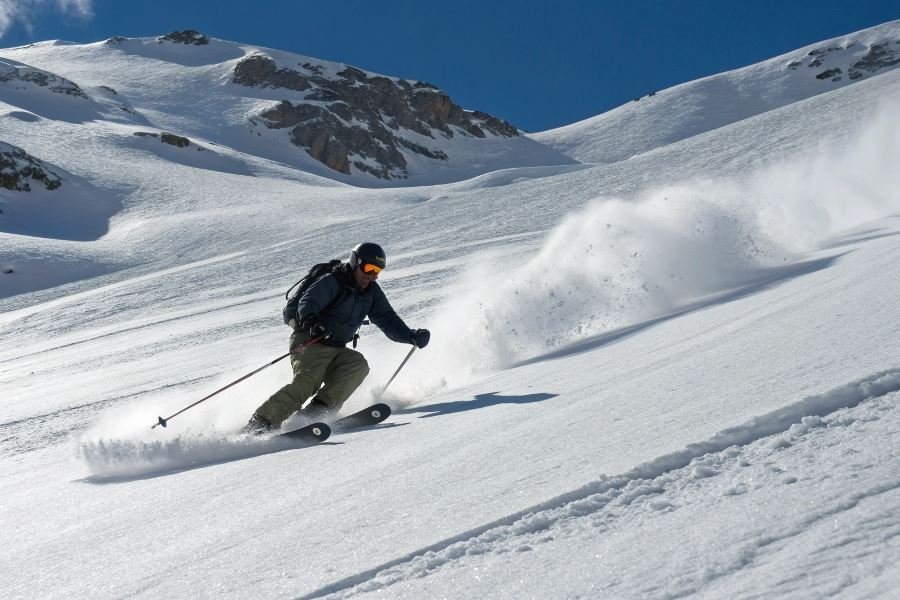
Ever stood at the summit, gazing down at a pristine slope, and wondered if your skis are up to the challenge? You’re not alone. The right pair of all-mountain skis can transform your experience from “surviving the descent” to “owning the mountain.”
All-mountain skis represent the true Swiss Army knife of the skiing world. These versatile performers are designed to handle virtually everything the mountain throws at you—from groomed corduroy to fresh powder, from icy patches to bumpy moguls. Unlike specialized skis that excel in one condition but falter in others, all-mountain models deliver consistent performance across varying terrain and snow conditions.
What makes a ski truly “all-mountain”? It’s all about balanced design. The sweet spot typically includes a waist width between 85-105mm, moderate rocker-camber profiles, and medium flex patterns. This magical combination allows for enough float in powder while maintaining edge grip on harder surfaces. The best all-mountain skis blend stability at speed with nimble maneuverability in tight spots—a delicate balance that manufacturers have been perfecting for decades.
Your skiing style and ability level should drive your selection process. Beginners benefit from more forgiving models with softer flex and pronounced rocker, while advanced skiers might prefer stiffer construction for precision and power. Consider your typical terrain too—East Coast skiers often need better edge hold for icy conditions, while West Coast enthusiasts might prioritize powder performance.
Remember: the perfect all-mountain ski isn’t the most expensive one—it’s the one that matches your personal skiing DNA.
Top 3 All-Mountain Skis That Dominate Every Trail
When the mountain calls, you need skis that answer with confidence across every type of terrain. The best all-mountain skis for all types of trails deliver that perfect balance of versatility, performance, and forgiveness that lets you carve groomers in the morning, float through powder stashes at noon, and navigate choppy afternoon conditions without missing a beat. After testing dozens of models across varying snow conditions, these standouts have earned their place in the spotlight for 2025.
Versatility Champions for Advanced Skiers
For those who’ve mastered the fundamentals and crave equipment that won’t limit their expression on the mountain, the Volkl M6 Mantra delivers extraordinary performance. At 96mm underfoot, these skis strike the golden ratio between nimble carving and float in softer snow.
What sets them apart:
- Titanal Frame technology provides edge grip that feels supernatural on hardpack
- Rocker-camber-rocker profile transitions seamlessly between conditions
- Responsive flex pattern rewards technical precision without punishing minor mistakes
The M6 Mantras command a premium ($749), but advanced skiers consistently report they’re worth every penny for their ability to handle everything from high-speed groomers to technical tree lines with equal composure.
Confidence Builders for Intermediate Progression
Intermediate skiers need equipment that forgives mistakes while encouraging skill development. The Nordica Enforcer 94 has become the gold standard in this category.
These skis strike the perfect balance between stability and playfulness—exactly what developing skiers need.
| Feature | Benefit |
|---|---|
| True Tip Technology | Reduces swing weight for easier turn initiation |
| Carbon-reinforced chassis | Provides stability without excessive stiffness |
| 94mm waist width | Versatile enough for all conditions you’ll encounter |
At $699, they represent a significant investment, but their performance ceiling is high enough that you won’t outgrow them as your skills advance. Many instructors recommend these specifically because they help intermediates progress faster while building confidence across varied terrain.
Unbeatable Value and Durability Champions
Not everyone wants to spend north of $600 on skis, especially those who might only hit the slopes 5-10 days each season. Enter the Blizzard Rustler 9, which delivers remarkable performance at $599.
Why they’re worth considering:
- Carbon Flipcore D.R.T construction provides a perfect blend of stability and forgiveness
- Slightly softer flex pattern than premium models makes them more accessible
- Reinforced edges and durable topsheet construction withstand multiple seasons of abuse
What’s particularly impressive about the Rustler 9 is how they maintain performance in less-than-ideal conditions. When other value-oriented skis start chattering on hardpack or diving in crud, these keep their composure, making them ideal for skiers who can’t always chase perfect conditions.
Each of these models represents the pinnacle of all-mountain design in their respective categories. Whether you’re looking to push your limits, build confidence, or maximize value, these versatile performers will have you covered from first chair to last run, regardless of what the mountain throws your way.
Sealing the Deal: Your All-Mountain Ski Decision Guide
Width, radius, and flex that matter
Choosing the perfect all-mountain ski isn’t just about brand names or flashy graphics—it’s about finding that sweet spot where performance meets your personal style. The width underfoot is your first critical decision point. Narrower skis (85-95mm) deliver lightning-quick edge transitions on groomed runs, while wider options (95-105mm) provide that heavenly float when you venture into powder. The magic happens when you match this width to your typical terrain mix!
Turn radius might sound technical, but it’s actually your ski’s personality profile. Shorter radius skis (14-16m) are the nimble dance partners perfect for quick, technical turns, while longer radius models (18-22m) want to charge down the fall line with stability at speed. Most versatile all-mountain performers sit in that 16-18m sweet spot—responsive enough for trees but stable enough when you open the throttle.
Stiffness isn’t just about flex numbers—it’s about how the ski responds to your commands. Softer-flexing skis forgive mistakes and excel at slower speeds, making them ideal for progressing intermediates. Stiffer models demand more technical precision but reward you with rock-solid stability when bombing down chopped-up afternoon snow. Be honest about your skill level here; the wrong flex pattern can turn dream skis into a frustrating battle.
“The right all-mountain ski doesn’t force you to adapt to it—it enhances the skiing style you already have while giving you room to grow.”
Keeping your investment pristine
All-mountain skis aren’t cheap—they’re investments in your mountain happiness. Proper maintenance dramatically extends their performance lifespan. Start with regular edge tuning; even minor burrs can transform your carving machine into a skidding nightmare. A simple edge tool from Swix or TOKO lets you maintain those edges between professional tunes.
Base waxing isn’t just for racers! Unwaxed bases dry out and slow down, especially in spring conditions. They also absorb more moisture, potentially leading to core damage. Establish a waxing routine based on your frequency:
| Skiing Frequency | Recommended Waxing Schedule |
|---|---|
| Weekend Warrior | Every 3-4 days on snow |
| Vacation Skier | Beginning and mid-trip |
| Daily Skier | Weekly hot wax |
Storage matters more than most realize. Store skis base-to-base with a strap (not overtightened) in a cool, dry place during off-season. This prevents warping and edge rust that can silently destroy performance. A light storage wax provides additional protection against summer humidity.
Test drive before commitment
Demoing isn’t an extra step—it’s essential insurance against an expensive mistake. Most destination resorts offer high-end demo programs where you can test multiple models in real conditions. The $50-70 daily demo fee seems steep until you consider it’s protecting your $700+ investment.
The ideal demo approach? Test your top contenders in the morning on similar terrain, then return to your favorite for an afternoon session. Pay attention to how they perform when you’re tired—that’s when subtle differences become glaring weaknesses.
For the best deals, timing is everything. Late-season sales (March-April) typically offer 30-40% discounts on current models. Online retailers like Evo and Skis.com run pre-season sales in September with surprising discounts on previous year’s models. Many brick-and-mortar shops offer free mounting with purchase—a $50-80 value that online retailers often can’t match.
Remember: the “best” all-mountain ski is ultimately the one that makes you grin from first chair to last run, regardless of what terrain the mountain throws your way.