
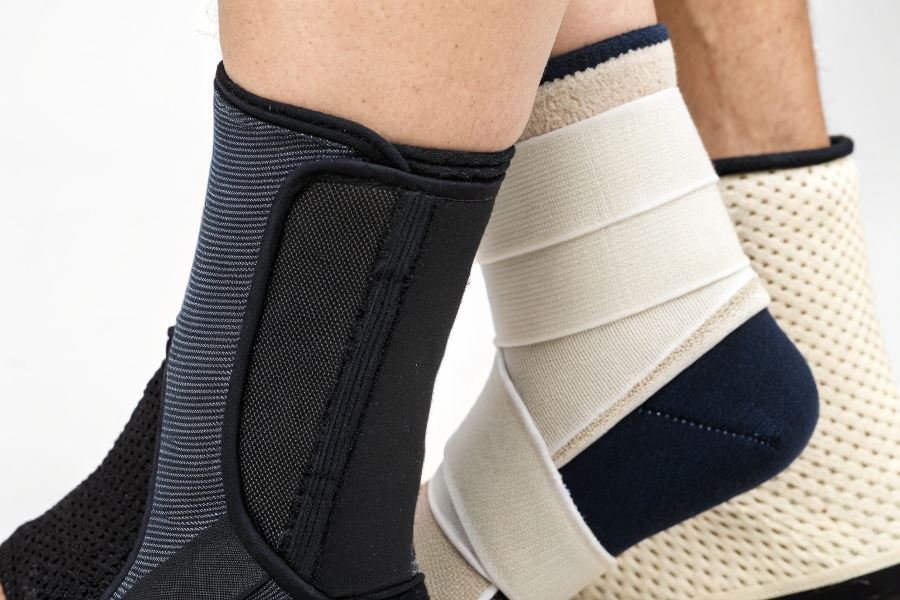
Ever watched a soccer player take a direct hit to the shin and walk away unscathed? That’s not luck—it’s proper protection at work. While we celebrate goals and victories, we rarely acknowledge the humble shin guard that keeps athletes in the game season after season.
The difference between playing through the weekend tournament and spending it icing an injury often comes down to what’s covering your tibias. Shin guards are non-negotiable equipment in many sports, yet selecting the right ones remains surprisingly complex. Each sport demands specific protection based on impact types, movement patterns, and position requirements.
Soccer players need guards that balance protection with ball control. Hockey players require reinforced shields against flying pucks and slashing sticks. Meanwhile, baseball catchers need specialized protection against foul tips. The right guard doesn’t just prevent injuries—it enhances performance by giving athletes the confidence to play aggressively.
When selecting shin protection, consider three critical factors: protection level, comfort/fit, and sport-specific features. The guard that works for a defensive soccer midfielder might be completely wrong for a field hockey forward.
“The best shin guard is the one you forget you’re wearing until it saves you from injury.”
With advances in materials science, today’s top guards offer remarkable protection while remaining lightweight and breathable. The perfect balance exists—you just need to know where to look.
Shin Guards That Mean Business
When it comes to protecting your lower legs during intense competition, not all shin guards are created equal. The right protection can mean the difference between playing with confidence and sitting on the sidelines with an injury. Let’s dive into the specialized world of shin protection across three demanding sports.
Soccer’s Front-Line Defenders
Soccer shin guards represent the essential first line of defense against sliding tackles and ball impacts. The evolution of these protective pieces has been remarkable, with modern designs offering the perfect balance of protection and mobility.
Finding the top 3 shin guards for different sports requires understanding the unique demands each activity places on your lower legs. For soccer players, this means lightweight protection that doesn’t compromise agility while still meeting regulation requirements.
Key Features to Look For:
- Front plate thickness (typically 2-4mm)
- Ankle protection extensions
- Moisture-wicking backing material
- Secure strapping systems
The Nike Mercurial Lite leads the pack with its anatomical design and K-resin shell that weighs just 3.2 ounces while exceeding FIFA standards. For players seeking maximum coverage, the Adidas X Pro offers extended side protection without sacrificing mobility. Budget-conscious athletes should consider the G-Form Pro-S Elite, which uses SmartFlex technology that hardens on impact.
Hockey’s Armored Approach
Hockey shin guards take protection to another level, covering from ankle to knee with rigid plastic shells and dense foam padding.
Material Innovations:
- Lightweight composite outer shells
- Multi-density foam interiors
- Moisture management linings
- Anatomical knee caps
| Model | Weight | Protection Level | Mobility Rating |
|---|---|---|---|
| Bauer Supreme 3S Pro | 1.8 lbs | Maximum | 7/10 |
| CCM JetSpeed FT4 Pro | 1.6 lbs | High | 8/10 |
| Warrior Alpha DX | 1.7 lbs | Maximum | 7.5/10 |
The Bauer Supreme 3S Pro shin guards feature a 3D-molded cap that disperses impact forces while maintaining a surprisingly lightweight profile. For players prioritizing mobility, the CCM JetSpeed FT4 Pro offers a tapered fit that hugs the leg contours. The Warrior Alpha DX stands out with its quick-release strapping system that allows for rapid adjustment between shifts.
Martial Arts’ Specialized Protection
Martial arts shin guards face unique challenges: they must protect against devastating kicks while allowing practitioners to deliver their own strikes effectively.
Critical Design Elements:
- Contoured fit around ankle and foot
- Impact-absorbing foam density
- Secure fastening that prevents rotation
- Washable linings for hygiene
Muay Thai and MMA fighters gravitate toward the Hayabusa T3 shin guards with their pre-curved design and vylar-engineered leather construction. For kickboxers, the Venum Elite offers 100% premium Skintex leather with triple density foam that’s been battle-tested in professional competitions. Traditional martial artists often prefer the Sanabul Battle Forged for its minimalist design that allows for greater sensitivity during technical training.
Each sport demands specialized protection, and investing in sport-specific shin guards rather than all-purpose options can significantly enhance both safety and performance. Your shins will thank you.
Choosing Your Perfect Shin Guard Champion
When it comes to protecting your lower legs during intense play, not all shin guards deserve a spot on your team. After examining the top contenders across soccer, hockey, and martial arts, it’s time to make that crucial decision that could mean the difference between confident performance and painful regret.
Sport-Specific Protection Profiles
The fundamental differences between shin guards come down to their specialized design philosophy:
- Soccer shin guards prioritize lightweight mobility with anatomical curves that hug the leg during quick directional changes
- Hockey shin guards offer comprehensive coverage extending from knee to ankle, with reinforced caps to deflect high-velocity pucks
- Martial arts shin guards feature wrap-around padding that protects both shin and instep for kick absorption
These distinctions aren’t just marketing—they represent decades of sport-specific injury prevention research. Soccer guards focus on frontal impact protection while maintaining agility, while hockey guards create a fortress against both impact and slash injuries. Martial arts guards, meanwhile, transform from defender to weapon as they protect both the striker and receiver.
Extending Your Gear’s Performance Life
Even the most advanced shin protection becomes compromised without proper maintenance. Follow these care protocols to maximize your investment:
Air dry immediately after use to prevent bacterial growth and material breakdown
| Sport | Cleaning Method | Storage Recommendation | Replacement Timeline |
|---|---|---|---|
| Soccer | Hand wash with mild soap, air dry | Hang in ventilated area | 1-2 seasons of regular play |
| Hockey | Wipe with antibacterial cloth, full dry | Store flat, avoid compression | When padding compresses or shell cracks |
| Martial Arts | Disinfectant spray, thorough drying | Avoid direct sunlight | When foam loses resilience |
The most common mistake? Stuffing damp shin guards into equipment bags where they become bacterial breeding grounds. This not only creates unpleasant odors but accelerates material degradation, particularly in foam components that provide crucial shock absorption.
Making Your Final Selection
When selecting your ideal shin guard, prioritize these factors in descending order:
- Sport-specific design – Choose guards engineered specifically for your activity
- Protection level – Match the guard’s strength to your competition intensity
- Fit precision – Even the most advanced guard fails if it shifts during movement
For soccer players, the Nike Mercurial Lite offers exceptional balance between protection and mobility for technical players, while the Adidas X Pro provides superior coverage for defensive positions.
Hockey players should consider the Bauer Supreme for its anatomical fit system that prevents slippage during explosive skating movements.
For martial artists, particularly those in Muay Thai or kickboxing, the Hayabusa T3 delivers superior impact distribution while maintaining tactical sensitivity.
Protection insight: The perfect shin guard feels like it disappears during play while making its presence known only when it matters—at the moment of impact.
Remember that proper sizing transcends sport—too small and you sacrifice protection, too large and you compromise mobility. The ideal guard creates a second-skin sensation that instills confidence rather than consciousness during play.
By selecting sport-appropriate protection, maintaining it properly, and ensuring precise fit, you’ll extend both your equipment’s lifespan and potentially your athletic career through injury prevention.