
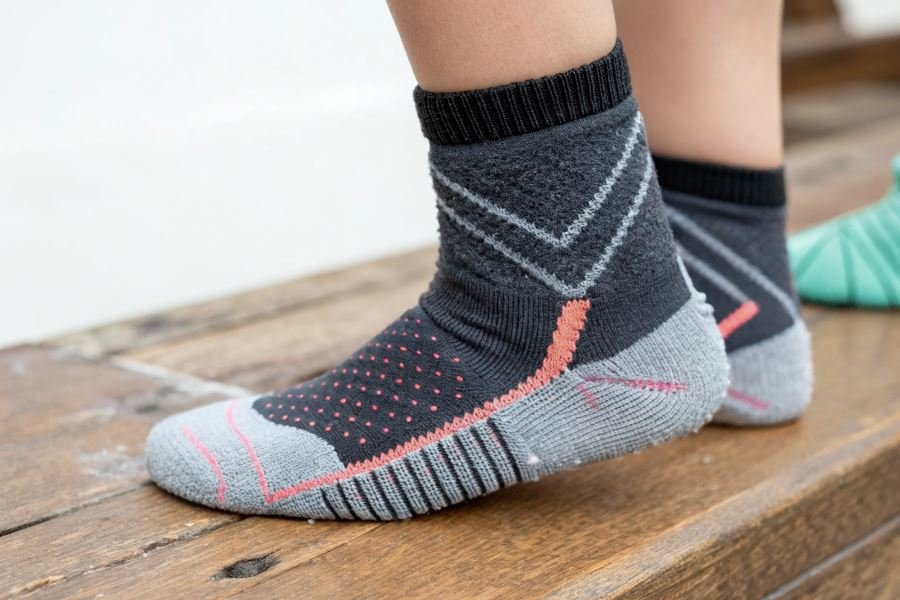
Ever watched a young athlete grimace after practice, not from the exertion but from painful blisters? Or noticed how quickly children outgrow their sports gear—sometimes before they’ve even broken it in? The unsung heroes in your child’s athletic journey might be right at their feet.
Sports socks for children of different ages aren’t just smaller versions of adult socks. They’re specialized equipment designed to support developing feet during crucial growth stages. Think of them as the foundation upon which all athletic performance is built—because that’s exactly what they are.
The performance connection is real. Studies from the American Podiatric Medical Association show that proper foot support during formative years can significantly impact not just comfort but actual athletic performance. Children wearing appropriate sports socks experience fewer injuries and demonstrate better endurance during activities.
“The right sock can be the difference between a child who dreads practice and one who can’t wait to get back on the field.” — Dr. James Marton, Pediatric Sports Medicine Specialist
Age-specific considerations matter tremendously. Toddlers need different support than teenagers—their feet are still developing cartilage, their sweat patterns differ, and their activities vary in intensity. The cushioning that protects a 14-year-old basketball player would overwhelm a 6-year-old soccer enthusiast.
By investing in age-appropriate sports socks, you’re not just preventing blisters—you’re laying the groundwork for healthier athletic development and potentially better performance for years to come.
Growing Feet, Growing Needs: Sports Socks for Every Age
When it comes to athletic performance, we often obsess over shoes while overlooking their crucial companions – socks. Yet, the right pair can make all the difference between comfort and blisters, especially for growing feet. Sports socks for children of different ages require thoughtful consideration, as their needs evolve dramatically from toddlerhood through the teenage years.
Tiny Feet, Big Comfort (Ages 2-5)
For our youngest athletes, simplicity reigns supreme. Toddlers and preschoolers need socks that prioritize three key elements:
Easy On, Easy Off – Look for socks with elastic openings that stretch wide for independent dressing but maintain enough tension to stay put during play. Nike Kids’ Everyday Cushioned Crew Socks feature grip tabs that little hands can grasp.
Seamless Construction – Young feet are particularly sensitive to irritation. Seamless toe designs prevent the discomfort that can turn a playground adventure into a tearful experience.
Breathable fabrics matter even for the smallest athletes, as their feet can produce surprising amounts of moisture during active play.
| Feature | Why It Matters |
|---|---|
| Cotton Blends | Soft, natural feel against sensitive skin |
| Simple Cushioning | Basic impact protection for jumping and running |
| Fun Designs | Encourages independence and excitement about active wear |
Growing Support for Growing Skills (Ages 6-12)
Elementary school brings organized sports and increased physical demands. Children in this age range need socks that balance durability with developing support requirements.
Zone-Specific Cushioning – As skills develop, so does impact force. Socks with targeted padding in heel and toe areas, like Under Armour Kids’ HeatGear Socks, provide protection where it’s needed most.
Moisture Management – Elementary-aged children sweat more during activity than their younger counterparts. Look for socks with synthetic blends that incorporate polyester or nylon with moisture-wicking properties.
Arch Support – This age group benefits from light compression in the arch area, which helps prevent fatigue during longer periods of play and provides better feedback for developing proprioception.
Performance Tech for Teen Athletes (Ages 13-18)
Teenagers approach adult-level performance demands and deserve adult-level sock technology:
Sport-Specific Design – Teen athletes benefit from specialized socks engineered for their primary sport. Adidas Youth Soccer Socks offer targeted compression and shin protection, while Stance Basketball Socks provide extra cushioning for court impact.
Compression Benefits – Many teen-focused athletic socks incorporate graduated compression to improve blood flow and reduce recovery time – crucial for competitive athletes with intense training schedules.
Blister Prevention Technology – Dual-layer systems like those found in Wrightsock create a friction barrier between layers rather than between sock and skin, dramatically reducing blister formation during intense activity.
Temperature Regulation – Teen athletes pushing performance limits need socks that can handle temperature extremes. Advanced synthetic blends with merino wool offer exceptional temperature regulation for year-round comfort.
The journey from toddler play to teenage competition requires an evolving approach to even the smallest equipment details. By matching sock features to developmental stages, parents can ensure young athletes have the foundation they need for comfortable, confident performance at any age.
The Ultimate Guide to Children’s Sports Socks
Kids’ feet take a beating on the field, court, and track. The right sports socks aren’t just an accessory—they’re essential equipment that can make or break athletic performance and comfort. Let’s dive into what makes the perfect pair for young athletes of all ages.
Material matters for mighty feet
The foundation of any quality sports sock starts with its composition. For children’s active feet, the material mix is crucial:
- Moisture-wicking synthetics like polyester and nylon pull sweat away from the skin, preventing blisters during intense activity
- Natural cotton blends offer breathability but should be limited to 30-40% of composition for performance socks
- Merino wool provides natural temperature regulation and odor resistance—perfect for older children in endurance sports
The best children’s sports socks typically feature a strategic blend rather than a single material. For example, a 60% polyester, 25% cotton, 10% nylon, and 5% spandex combination delivers the perfect balance of comfort, durability, and performance.
The difference between basic cotton socks and performance blends becomes most apparent during the third quarter of a soccer game or the final mile of a cross-country meet.
Construction features that go the distance
Beyond materials, construction details separate ordinary socks from athletic powerhouses:
| Feature | Benefit | Age Recommendation |
|---|---|---|
| Cushioned soles | Impact absorption | All ages, especially 8+ |
| Arch support | Prevents fatigue | Ages 6+ |
| Seamless toe | Prevents friction blisters | Critical for ages 4-10 |
| Reinforced heel/toe | Extended durability | All ages |
| Ribbed cuffs | Prevents slipping | Essential for younger children |
For children under 6, prioritize comfort and ease of use with seamless construction and simple pull-on designs. As kids reach 7-12 years, introduce more technical features like targeted cushioning and arch support. Teenagers benefit from sport-specific designs that address the unique demands of their chosen activities.
Seasonal sock strategies
Children’s sports don’t pause for weather—and neither should their sock game:
Summer solutions:
- Lightweight, low-cut styles with maximum ventilation
- UPF protection for outdoor sports
- Extra moisture management for sweaty summer feet
Winter warriors:
- Thermal blends with wool or specialized synthetic insulation
- Taller cuts to protect ankles and lower calves
- Compression elements to improve circulation in cold conditions
Transition seasons:
- Mid-weight options that adapt to temperature fluctuations
- Layering capabilities for unpredictable weather
- Quick-drying properties for unexpected precipitation
Extending sock lifespan through proper care
Even the most durable sports socks need proper maintenance to deliver maximum value:
- Wash inside-out to remove skin oils and debris from the interior cushioning
- Skip the fabric softener which can degrade moisture-wicking properties
- Air dry when possible or use low heat settings to preserve elasticity
- Rotate multiple pairs rather than wearing the same socks repeatedly
- Address small holes immediately before they expand beyond repair
Pro tip: Designate specific socks for practice versus competition to extend the life of “game day” pairs while maintaining consistent feel and performance.
With the right selection and care, quality sports socks become a competitive advantage that grows with your child athlete—supporting every step from playground games to championship matches.