
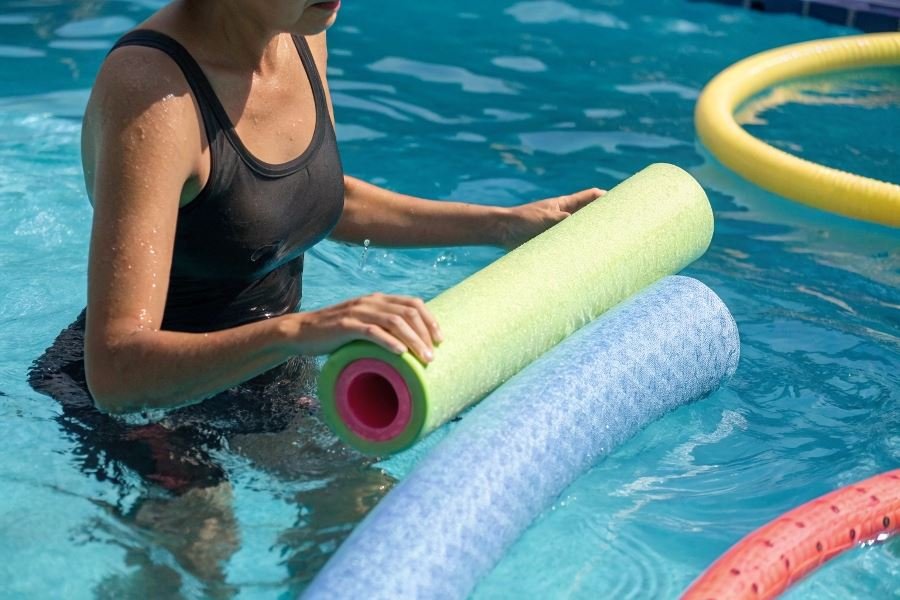
Ever wondered why your arms feel like they’re pushing through molasses during water workouts? That’s the magic of water resistance—providing up to 12 times more resistance than air while being gentler on your joints. But here’s the kicker: the material of your aqua dumbbells can make or break your underwater workout experience.
When you plunge those dumbbells into the pool, you’re not just choosing between foam, plastic, or neoprene—you’re selecting your perfect underwater training partner. Each material interacts differently with water, affecting everything from buoyancy to durability and comfort during those challenging aquatic routines.
Water resistance training has exploded in popularity among fitness enthusiasts and rehabilitation specialists alike. The unique properties of water create a multi-directional resistance that strengthens muscles more efficiently while reducing impact. But to harness this power effectively, your equipment needs to match your goals.
Material matters: The science behind your choice
The material of your aqua dumbbells affects three critical factors:
- Buoyancy level – determining how hard you’ll work to submerge the equipment
- Durability – especially important in chlorinated environments
- Grip comfort – essential during those high-intensity intervals
Foam options provide maximum buoyancy but may deteriorate faster, while plastic varieties offer durability at the cost of comfort. Neoprene-covered dumbbells strike a balance between longevity and ergonomics, with the added benefit of quick-drying properties.
Your ideal choice ultimately depends on your fitness level, workout intensity, and specific water environment. The right material transforms ordinary pool time into an extraordinary strength-building session.
Material Matters: The Aqua Dumbbell Showdown
Foam: The Buoyancy Champion
When it comes to water workouts, foam aqua dumbbells reign supreme in the buoyancy department. These lightweight warriors provide exceptional flotation, making them perfect for upper body resistance training while staying afloat. The closed-cell foam construction creates natural resistance against water movement without absorbing moisture.
A thorough comparison of aqua dumbbell materials: foam, plastic, or neoprene reveals distinct performance characteristics that can dramatically impact your water workout effectiveness. Each material offers unique benefits depending on your fitness goals and comfort preferences.
Foam dumbbells typically last 1-2 years with regular use, though chlorine exposure can accelerate deterioration. The soft texture offers superior comfort for extended sessions, with most users reporting minimal hand fatigue even after 45-minute workouts. However, they do have limitations—foam models can develop tears if handled roughly and may fade when exposed to pool chemicals.
Plastic: The Consistency King
Plastic aqua dumbbells deliver what foam sometimes can’t: unwavering weight consistency. These molded wonders maintain their resistance levels throughout your entire workout, unlike foam options that can become waterlogged over time.
Durability is the standout feature with plastic models typically lasting 3+ years even with daily use. Their rigid structure creates predictable resistance patterns, allowing for more precise progression tracking in your aquatic fitness journey.
The performance characteristics of plastic dumbbells include:
| Feature | Benefit |
|---|---|
| Consistent weight | Reliable resistance throughout workout |
| Chemical resistance | No degradation from pool chemicals |
| Temperature stability | Performs equally well in hot or cold water |
| Impact resistance | Withstands drops on pool decks |
The tradeoff? Comfort. Plastic models can feel harder against the skin during extended sessions, potentially causing discomfort for those with joint sensitivity.
Neoprene: The Versatility Victor
Neoprene aqua dumbbells represent the premium tier in underwater resistance training. The same material used in wetsuits provides an exceptional grip quality that remains secure even during the most vigorous water aerobics routines.
The textured surface prevents slippage while the soft-yet-firm composition strikes an ideal balance between comfort and performance. Water absorption is minimal—typically less than 2% by weight even after continuous submersion—ensuring consistent resistance throughout your workout.
Versatility truly sets neoprene apart. These dumbbells transition seamlessly between shallow and deep water exercises, and many models feature adjustable resistance levels by adding or removing internal weights.
Impact on Workout Effectiveness
The material choice directly influences resistance levels and ultimately, your results. Foam creates variable resistance that increases with movement speed—perfect for cardiovascular conditioning. Plastic provides consistent resistance regardless of speed—ideal for strength training. Neoprene offers the best of both worlds with moderate buoyancy and excellent control.
For maximum effectiveness, consider your specific goals:
- Weight loss: Foam’s variable resistance creates higher calorie burn
- Muscle definition: Plastic’s consistency builds targeted strength
- Rehabilitation: Neoprene’s balanced properties support controlled movement
Your material choice isn’t just about preference—it’s about matching the tool to your fitness objectives for that perfect underwater workout experience.
Making the Splash: Choosing Your Perfect Aqua Dumbbell Material
When it comes to water fitness, your equipment choice can make or break your aquatic workout experience. After exploring the unique properties of foam, plastic, and neoprene aqua dumbbells, it’s time to dive into the decision-making process. Let’s cut through the confusion and determine which material will best serve your water workout needs.
Match your material to your fitness journey
Different fitness levels and goals demand different equipment solutions. Here’s how each material aligns with specific workout objectives:
Foam dumbbells shine for beginners and rehabilitation exercises. Their exceptional buoyancy creates natural resistance without overwhelming muscles that are just starting to strengthen. They’re particularly effective for upper body toning and gentle joint therapy.
“Foam dumbbells provide the perfect entry point for aquatic fitness, offering enough resistance to feel the burn without overwhelming new participants,” notes many certified aquatic fitness instructors.
Plastic dumbbells deliver for intermediate fitness enthusiasts seeking progressive resistance. Their moderate buoyancy combined with customizable water displacement makes them ideal for:
- Circuit training routines
- Endurance building
- Targeted muscle group work
Neoprene-covered dumbbells excel for advanced athletes and high-intensity interval training. Their weighted cores combined with water resistance create challenging workouts that build significant strength and power. Athletes training for Speedo competitions or TYR events often incorporate these into their cross-training regimens.
Longevity and maintenance across materials
| Material | Lifespan | Maintenance Requirements | Storage Needs |
|---|---|---|---|
| Foam | 6-12 months | Thorough rinsing, air drying | Cool, dry area away from direct sunlight |
| Plastic | 2-3 years | Quick rinse, periodic disinfecting | Minimal special requirements |
| Neoprene | 3-5+ years | Rinse with fresh water, occasional soap cleaning | Standard storage, avoid extreme temperatures |
Foam requires the most vigilant care, as chlorine gradually breaks down the material structure. Plastic offers remarkable durability with minimal maintenance, while neoprene strikes the balance between longevity and comfort—though the covering may eventually show wear before the internal structure fails.
Investment value across materials
When evaluating cost versus benefit, consider these factors:
Foam options typically range from $15-25 per pair, representing the lowest initial investment. However, their shorter lifespan means you’ll replace them more frequently, potentially spending $30-50 annually for regular users.
Plastic dumbbells hit the middle range at $25-40 per pair. Their superior durability brings the annual cost down to approximately $10-20 for consistent users—a significant value improvement.
Neoprene-covered models command premium pricing between $40-70 per pair from quality manufacturers like AquaJogger or FINIS. Despite the higher upfront cost, their exceptional durability translates to just $8-23 in annualized expense.
Beyond pure economics, consider the hidden value factors:
- Comfort during extended workouts
- Versatility across exercise types
- Reduced injury risk from ergonomic designs
- Consistent performance throughout the product lifecycle
The ultimate value winner depends on your commitment level. Occasional users might find foam economical despite replacement costs, while dedicated aquatic fitness enthusiasts will see substantial returns from investing in premium neoprene options that deliver years of reliable performance.
Your perfect aqua dumbbell material awaits—choose the one that aligns with your fitness ambitions, maintenance willingness, and investment perspective for the most satisfying water workout experience.