
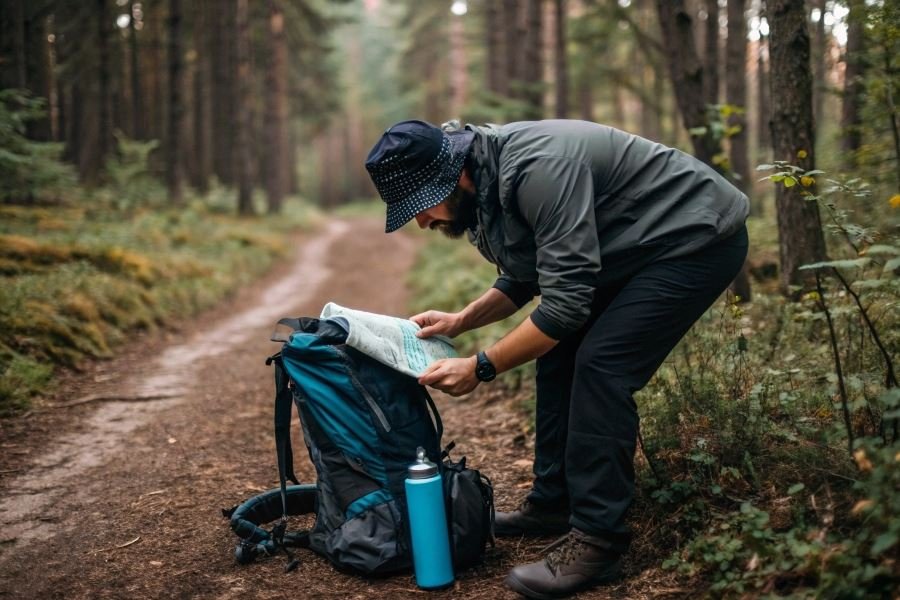
Ever stood in a downpour watching water seep through your pack while your dry clothes turned into soggy disappointments? Or hauled a tank-like backpack up a mountain, your shoulders screaming in protest with every step? The material of your backpack isn’t just a specification on a tag—it’s the difference between triumph and misery on the trail.
When selecting a backpack for your outdoor adventures, material choice stands as the critical foundation upon which every other feature depends. The fabric between you and the elements determines whether you’ll be smiling through a storm or cursing your gear choices.
Three factors reign supreme in backpack material selection: durability (can it survive being dragged across granite?), weight (will carrying it feel like hauling a small refrigerator?), and water resistance (will your spare socks become sponges?). The perfect balance varies dramatically based on your destination—desert hikers prioritize differently than rainforest explorers.
“The right backpack material isn’t universal—it’s personal. It’s about matching the fabric to your adventure’s unique demands.”
Your material choice cascades through every aspect of your experience. A pack that’s 20% lighter might mean you can hike an extra mile each day. Water-resistant fabric could eliminate the need for additional rain covers or waterproof stuff sacks. Durability differences might mean replacing your pack after two seasons versus ten years of faithful service.
Choose wisely—your back, your gear, and your adventure memories depend on it.
The Ultimate Guide to Backpack Materials for Every Adventure
When you’re miles from civilization with everything you need strapped to your back, the material of your backpack isn’t just a specification—it’s your lifeline. The outdoor gear industry has evolved dramatically since the days of external frame packs and canvas rucksacks, giving us specialized materials engineered for specific environments and challenges.
Choosing the right backpack material can make or break your adventure. Materials of tourist backpacks vary widely depending on the conditions you’ll face, from scorching deserts to humid rainforests or snow-covered peaks. Each material offers distinct advantages in durability, water resistance, weight, and comfort—critical factors that determine whether your pack becomes your trusted companion or your greatest frustration on the trail.
Nylon: The All-Weather Warrior
Nylon dominates the backpacking scene for good reason. This synthetic polymer offers exceptional strength-to-weight ratio and comes in several specialized variants:
Cordura Nylon stands as the gold standard for abrasion resistance. Originally developed for military applications, this material laughs in the face of rough terrain. Osprey packs featuring Cordura can withstand years of being dragged across rocks and stuffed into overhead compartments.
Ripstop Nylon incorporates a reinforcement technique that prevents tears from spreading. The distinctive grid pattern isn’t just for show—those thicker threads create “rip stops” that contain damage. Perfect for lightweight backpacking where every ounce matters but durability can’t be compromised.
Ballistic Nylon was originally created for flak jackets in World War II. Today, it’s the heavyweight champion of backpack materials, offering unmatched puncture resistance. The North Face Base Camp duffels use this material to survive the roughest baggage handlers and expedition conditions.
| Nylon Type | Best For | Weight | Durability Rating |
|---|---|---|---|
| Cordura | All-around use, rough terrain | Medium | Excellent |
| Ripstop | Ultralight backpacking, thru-hiking | Light | Good |
| Ballistic | Expedition, travel, extreme conditions | Heavy | Superior |
Polyester: The Budget-Friendly Performer
Don’t dismiss polyester as nylon’s lesser cousin. This versatile material has carved out its own niche in the backpacking world:
Standard Polyester packs offer impressive UV resistance, maintaining their color and structural integrity under relentless sunshine. They’re typically more affordable than nylon equivalents while offering respectable durability.
PET Polyester (often recycled from plastic bottles) has become the eco-conscious backpacker’s choice. Brands like Patagonia have pioneered these materials, proving sustainability doesn’t require performance compromises.
Polyester’s natural water resistance makes it ideal for humid environments where nylon might absorb moisture and gain weight.
Natural Materials: The Heritage Choice
While synthetics dominate the performance space, natural materials maintain their devoted following:
Canvas offers unmatched heritage appeal and develops a unique patina over time. Modern treatments can improve water resistance, making canvas viable for dry climates and casual use. The weight penalty is significant, but the durability can span decades.
Waxed Cotton combines natural fibers with protective wax coatings. This traditional material remains popular among bushcraft enthusiasts and traditionalists who appreciate its quiet movement through brush and distinctive aesthetic. Fjällräven has modernized this approach with their G-1000 material.
Hemp backpacks provide exceptional tensile strength and natural antimicrobial properties—perfect for tropical adventures where mold and odor become concerns.
The best backpack material isn’t universal—it’s the one that matches your specific adventure needs, environmental challenges, and personal priorities. Your perfect pack is out there, wrapped in exactly the right material for your next journey.
Making the Perfect Match: Backpack Materials for Your Next Adventure
Your Decision Framework for Material Selection
Choosing the right backpack material isn’t just about durability—it’s about matching your gear to your adventure’s unique demands. The perfect backpack material varies dramatically between a weekend in the Rockies and a month-long trek through monsoon season in Southeast Asia.
Start your selection process by honestly assessing three critical factors:
- Environment conditions – Temperature ranges, precipitation expectations, and terrain challenges
- Trip duration – Weekend warrior or extended expedition?
- Weight priorities – How much does ultralight matter to your journey?
For wet conditions, waterproof nylon with high denier counts (600D+) or TPU-coated fabrics remain undefeated champions. When facing extreme mountain conditions, Cordura and Dyneema Composite Fabric justify their premium price tags with exceptional tear resistance and durability.
Desert adventurers should prioritize UV-resistant polyester that won’t degrade under relentless sunshine, while winter explorers benefit from ripstop nylon that maintains flexibility in sub-freezing temperatures.
The right backpack material isn’t the most expensive or newest technology—it’s the one that disappears from your awareness because it’s perfectly handling the conditions you’re facing.
Extending Your Backpack’s Lifespan
Different materials demand different care routines. Your maintenance approach should be as specialized as your adventure gear:
| Material Type | Cleaning Method | Storage Recommendation | Common Failure Points |
|---|---|---|---|
| Nylon/Polyester | Mild soap, soft brush | Hang dry, store loose | Stitching, zipper tracks |
| Waterproof Coated | Gentle wipe, no detergents | Fully dry before storage | Coating wear at flex points |
| Canvas | Brush dirt, spot clean | Store in breathable bag | Corner reinforcements |
| Dyneema/Technical | Technical cleaner only | Store flat, avoid folding | Attachment points |
Waterproof coatings require periodic reapplication—typically every 15-20 heavy use days. Silicone-treated nylon (silnylon) benefits from UV-protectant spray application before extended sun exposure.
For zippers—often the first failure point—regular cleaning and silicone-based lubricant application can triple their functional lifespan.
Tomorrow’s Backpack Materials Today
The backpack material landscape is evolving rapidly, with sustainability driving much of the innovation. Recycled PET fabrics now achieve performance metrics rivaling virgin materials, with brands like Osprey incorporating them into mainstream lines.
Biodegradable waterproof coatings are replacing traditional PFCs (perfluorinated compounds), addressing environmental concerns without compromising performance. These new formulations maintain 95% effectiveness after 200+ hours of field use.
The most exciting development might be bio-based technical fabrics derived from algae, mushroom mycelium, and agricultural waste. These materials promise carbon-negative production while delivering impressive strength-to-weight ratios.
Smart materials with embedded technology are also emerging—fabrics that change properties based on environmental conditions, self-healing materials that address small punctures, and integrated solar collection capabilities that can power your essential devices.
The future backpack won’t just carry your gear—it will actively contribute to your adventure’s success through adaptive materials that respond to conditions as intelligently as you do.