
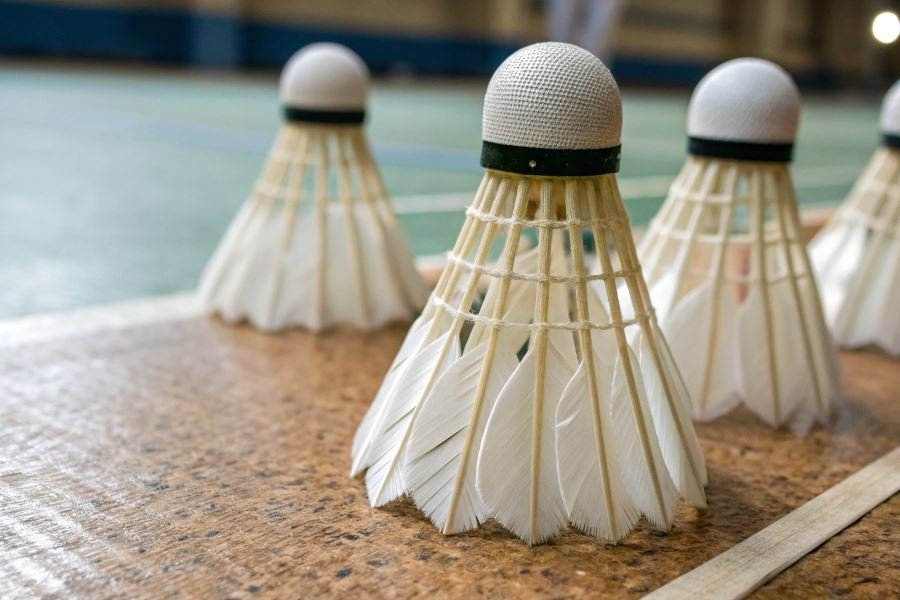
That distinctive “thwack” sound when racket meets shuttlecock—it’s music to badminton enthusiasts’ ears. But did you know that sound changes dramatically depending on what your shuttlecock is made of?
Badminton’s journey from 19th-century British parlors to Olympic arenas has been accompanied by fascinating equipment evolution. The shuttlecock—that cone-shaped projectile with its distinctive flight pattern—has perhaps undergone the most interesting transformation. Originally crafted from cork bases with feathers from waterfowl (typically goose or duck), these natural marvels have been joined by synthetic alternatives that have democratized the sport.
For recreational players, choosing between feather and plastic shuttlecocks isn’t just about price—it’s about matching equipment to your playing style, environment, and goals. This decision impacts everything from shot accuracy to game pace and even injury prevention.
The differences between these two options extend far beyond appearances. Feather shuttlecocks offer authentic flight characteristics with a faster initial speed and more dramatic deceleration—creating that professional “drop” effect. Their plastic counterparts provide remarkable durability and consistency across temperature and humidity changes, making them ideal for casual settings.
“The shuttlecock choice defines the game you’ll play. Feathers give you the traditional experience with nuanced control, while plastic offers accessibility and longevity.”
Understanding these distinctions helps recreational players make informed decisions that enhance enjoyment while developing proper technique. Whether you’re playing in a backyard, community center, or local club, the right shuttlecock transforms an ordinary game into an extraordinary experience.
The Ultimate Shuttlecock Showdown: Feather vs Plastic
Flight Dynamics That Define Your Game
When you step onto the badminton court, the shuttlecock you choose instantly shapes your entire playing experience. Feather shuttlecocks, traditionally crafted from goose or duck feathers, deliver a flight pattern that’s simply unmatched in precision. They start with explosive speed off the racket and experience a characteristic steep drop at the end of their trajectory—a flight signature that serious players have come to expect.
Plastic shuttlecocks tell a different story on court. The ongoing debate about feather vs plastic shuttlecocks: which is better for recreational play often centers around these fundamental flight differences. Plastic shuttles maintain more consistent speed throughout their flight path, without that dramatic deceleration feather shuttles exhibit. This creates a more forgiving experience for casual players but sacrifices some of the technical nuance that makes the sport so fascinating.
Flight stability testing reveals the truth: feather shuttlecocks rotate more consistently during flight (averaging 25-30 rotations per second compared to plastic’s 15-20), creating that distinctive whirring sound that badminton enthusiasts love. This rotation stabilizes their flight path, allowing for more precise shot placement—though this advantage diminishes significantly in recreational settings where pinpoint accuracy isn’t always the priority.
Lifespan and Investment Reality
| Shuttlecock Type | Average Lifespan | Typical Cost Range | Cost Per Hour of Play |
|---|---|---|---|
| Premium Feather | 3-7 games | $25-35 per dozen | $4-12 |
| Plastic | 20-30 games | $8-20 per dozen | $0.30-1.00 |
The durability difference is stark. A single feather shuttlecock might surrender after just one vigorous rally, while its plastic counterpart soldiers on through weeks of recreational play. This resilience makes plastic shuttles the undisputed economic champion for casual players, community centers, and schools.
Skill Development Considerations
The shuttlecock you train with shapes the player you become. Feather shuttles reward proper technique with predictable responses, creating a feedback loop that accelerates skill development. Their responsive nature means your technical flaws become immediately apparent—a harsh but effective teacher.
Plastic shuttlecocks offer a more forgiving learning curve. Their consistent flight patterns and reduced speed make them ideal for beginners developing fundamental skills. However, players who exclusively use plastic may develop habits that don’t translate well when switching to feather shuttles at more competitive levels.
Environmental Adaptability
Temperature and humidity transform your game. Feather shuttlecocks are notoriously sensitive to environmental conditions. In high humidity, they absorb moisture, becoming sluggish and unpredictable. Conversely, in dry conditions, they become faster and more responsive.
Plastic shuttlecocks maintain relatively consistent performance across varying conditions, making them reliable choices for outdoor recreational play or facilities without climate control. This adaptability is particularly valuable in community settings where playing conditions can’t always be optimized.
The ideal choice ultimately depends on your playing context, skill aspirations, and budget constraints. For recreational players seeking the most bang for their buck with consistent performance across various conditions, plastic shuttlecocks offer compelling advantages—though the authentic feel of feather shuttles remains the gold standard for those seeking the full badminton experience.
Making the Right Choice: Shuttlecocks for Every Player
Choosing between feather and plastic shuttlecocks isn’t just about preference—it’s about matching the right equipment to your playing style, environment, and goals. Let’s dive into the factors that should guide your decision for recreational badminton play.
Match your skill to your bird
The relationship between player skill and shuttlecock type is more important than most recreational players realize:
Beginners: Plastic shuttlecocks offer forgiveness that new players need. Their consistent flight patterns and durability mean less frustration and more time actually playing.
“Plastic shuttles give beginners the chance to develop proper technique without the distraction of inconsistent flight patterns,” notes many club coaches.
Intermediate players: This is where the decision gets interesting. As players develop their skills, many benefit from alternating between plastic shuttles for practice and feather shuttles for technique refinement.
Advanced recreational players: Even if you’re not competing professionally, if you’ve developed solid skills, Yonex feather shuttlecocks will dramatically improve your playing experience. The superior flight characteristics allow for more precise shot placement and better response to advanced techniques.
Indoor vs outdoor considerations
Your playing environment should heavily influence your shuttlecock selection:
| Environment | Recommended Type | Key Benefits |
|---|---|---|
| Indoor courts | Feather shuttlecocks | Better flight stability, authentic play experience |
| Outdoor casual | Plastic shuttlecocks | Wind resistance, durability against elements |
| Covered outdoor | Hybrid or durable plastic | Balance between performance and durability |
Indoor play naturally favors feather shuttlecocks. Without wind interference, you’ll experience the true flight characteristics that make badminton such a technical sport.
Outdoor enthusiasts should almost exclusively opt for plastic shuttlecocks. Even a gentle breeze can make feather shuttles nearly unplayable, while quality plastic options like the Mavis 350 maintain reasonable flight paths in light wind conditions.
Budget considerations and long-term value
Let’s talk money—because equipment costs add up:
Initial investment:
- Premium plastic shuttlecocks: $15-25 per dozen
- Mid-range feather shuttlecocks: $25-35 per dozen
- Tournament-grade feathers: $35-45+ per dozen
Longevity comparison:
A single feather shuttlecock might last 1-3 games before showing significant wear, while plastic shuttles can survive 15-20 games before needing replacement.
For recreational players who enjoy weekly sessions, the math often favors plastic shuttlecocks from a pure budget perspective. However, the experience quality difference cannot be ignored—feathers provide a playing experience that many find worth the additional cost.
Recommendations for recreational scenarios
Family backyard play: Durable plastic shuttlecocks are your best friend. Look for options with rubber tips for extra durability on hard surfaces.
Community center regular: If you play weekly indoors with a consistent group, consider investing in mid-range feather shuttlecocks. The improved gameplay will enhance everyone’s experience.
Weekend warrior with varying venues: Keep a tube of each! Quality plastic shuttles for outdoor sessions and feathers for those precious indoor court times.
Club-level recreational player: Even if you’re not competing, your skill level deserves feather shuttlecocks for regular play. The precision and feel will continue to elevate your game.
Remember that the “right” choice ultimately depends on your specific circumstances. Many serious recreational players keep both types on hand, switching based on venue, weather conditions, and who they’re playing with. The perfect shuttlecock is the one that keeps you enjoying this fantastic sport!