
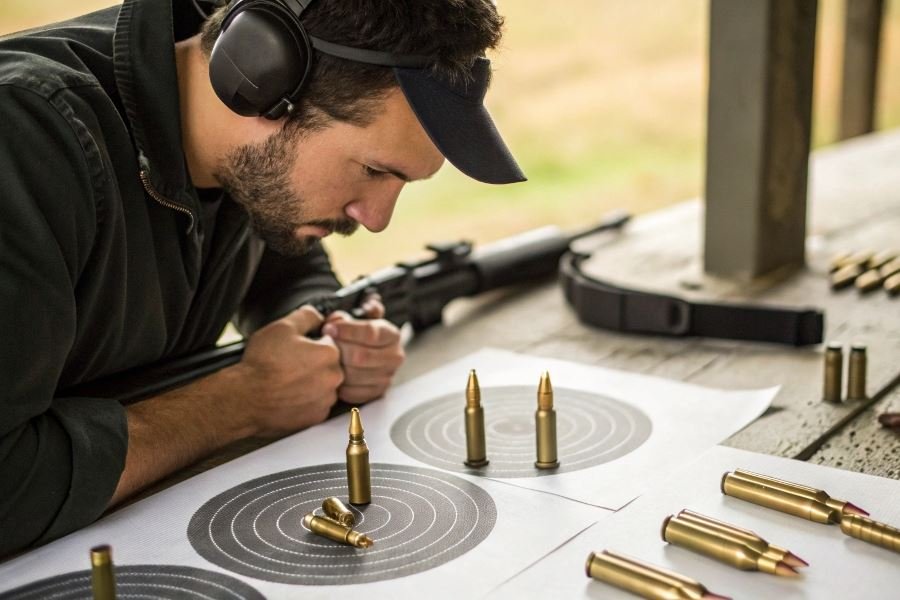
Ever watched a championship marksman hit a target at 50 yards with a pneumatic rifle and wondered what makes that level of precision possible? While skill matters, the unsung hero is often what happens before the trigger pull: proper air compression.
At the heart of every high-performance pneumatic weapon system lies a critical component that many enthusiasts overlook until performance issues arise. The compressor you choose doesn’t just fill your air tank—it determines your weapon’s consistency, power, and ultimately, your accuracy downrange.
Think of your compressor as the foundation of your shooting experience. Just as professional athletes wouldn’t train in worn-out shoes, serious shooters shouldn’t power precision instruments with inadequate air sources. The right compressor delivers clean, consistent pressure that translates directly to predictable projectile velocity and tighter groupings.
Three key factors interconnect when selecting your pneumatic power source: pressure capacity (measured in PSI/BAR), air purity (moisture/oil content), and fill rate. These specifications aren’t just numbers on a spec sheet—they directly impact how your weapon performs under various conditions. A high-end PCP rifle requiring 4500 PSI demands a compressor that can reliably reach and maintain those pressures without contaminating the system.
The relationship between compressor and weapon is symbiotic. Your specific pneumatic platform—whether it’s a competition air rifle, tactical marker, or hunting setup—has unique requirements that should guide your compressor selection. Understanding this relationship is the first step toward optimizing your entire pneumatic system.
The Technical Backbone: Choosing Your Perfect Pneumatic Weapon Compressor
Let’s dive into the engine room of airgun performance! When selecting a compressor for your pneumatic weapons, you’re essentially choosing the heartbeat of your shooting system. The criteria for choosing a compressor for pneumatic weapons extend far beyond just grabbing the first unit you see on the shelf—it’s about matching technical specifications to your specific needs.
Pressure Output: The Power Behind the Pellet
The pressure rating of your compressor is arguably the most critical specification to consider. Most modern PCP (Pre-Charged Pneumatic) airguns require between 2,000-4,500 PSI (138-310 BAR) to operate at peak performance.
Entry-level airguns typically need 2,000-3,000 PSI, while high-performance models demand 3,000-4,500 PSI. Always check your weapon’s manual for exact requirements—pushing too much pressure can damage your airgun or, worse, create safety hazards.
The difference between a 3,000 PSI and 4,500 PSI compressor isn’t just numbers—it’s the difference between casual plinking and competition-level precision.
Flow Rate: Time is Ammunition
Nothing kills shooting enthusiasm faster than waiting forever for your tank to fill. Flow rate (measured in cubic feet per minute or CFM) determines how quickly your compressor can fill your air reservoir.
| Compressor Type | Typical Flow Rate | Fill Time (3L Tank) |
|---|---|---|
| Budget Electric | 1-2 CFM | 15-30 minutes |
| Mid-Range Electric | 3-5 CFM | 5-15 minutes |
| Premium Electric | 6+ CFM | 2-5 minutes |
| Gasoline Powered | 8-12 CFM | 1-3 minutes |
For weekend warriors, a slower fill time might be acceptable. For competitive shooters or those running multiple airguns, investing in higher flow rates pays dividends in field time.
Power Source Options: Matching Your Shooting Environment
Your shooting location dictates your power source needs:
Electric Compressors dominate the market with their convenience and lower maintenance. They’re perfect for home use but require access to power outlets—typically 110V for smaller units and 220V for industrial-grade compressors.
Gasoline-Powered Compressors from brands like Honda offer true field independence. They’re louder and require more maintenance but deliver higher flow rates and complete portability for remote shooting locations.
Manual Compressors provide a budget-friendly, electricity-free option. While they demand physical effort (approximately 3-4 minutes of pumping per 1,000 PSI in a small tank), they’re reliable emergency backups that never need fuel or electricity.
Moisture Management: The Silent Performance Killer
Water is the arch-nemesis of pneumatic weapons. As air compresses, moisture condenses—potentially causing internal corrosion, valve damage, and accuracy issues.
Quality filtration systems employ multiple stages:
- Primary water separators catch the initial moisture
- Coalescing filters trap microscopic water particles
- Desiccant systems (often using silica gel) remove virtually all remaining moisture
The Air Venturi Nomad II, for example, incorporates multi-stage filtration that delivers air at an impressive 99.9% dryness level—protecting your investment and maintaining consistent performance.
Remember that filtration systems require maintenance. Budget for replacement filter elements and desiccant materials as part of your ongoing operational costs.
By carefully evaluating these four technical criteria, you’ll select a compressor that not only fills your tanks but enhances your entire shooting experience—delivering reliability, convenience, and peak performance for years to come.
Real-World Factors That Make or Break Your PCP Compressor Choice
Portability that fits your shooting lifestyle
When you’re serious about airgun shooting, your compressor needs to match your mobility requirements. Portable PCP compressors have revolutionized the field experience, weighing anywhere from 15 to 30 pounds compared to traditional 70+ pound shop models. The Air Venturi Nomad II exemplifies this evolution, offering 4500 PSI capability in a package you can carry with one hand.
Consider where you’ll be using your compressor most frequently:
- Field use: Prioritize models under 25 pounds with carrying handles or backpack options
- Home-to-range transport: Mid-weight units with vehicle power options offer the best compromise
- Fixed location: Larger, more powerful units provide faster fill rates when portability isn’t essential
Storage footprint matters too. Many modern compressors feature smart design elements like folding handles and compact dimensions that allow them to fit in standard gear bags or vehicle compartments without sacrificing performance.
The sound of efficiency matters
Nothing ruins a peaceful day at the range like a compressor that sounds like a jackhammer. Noise levels vary dramatically between models, with measurements ranging from whisper-quiet 60dB units to ear-splitting 95dB industrial models.
The operational environment should dictate your noise tolerance threshold.
| Environment | Recommended Max dB | Example Models |
|---|---|---|
| Indoor/Residential | 65-70dB | FX Pocket Buddy |
| Outdoor/Range | 75-85dB | Omega Supercharger |
| Workshop/Garage | 85-90dB | Shoebox Compressors |
Many manufacturers now incorporate noise-reduction technology including vibration dampening mounts, insulated casings, and optimized motor designs. These features often add value beyond mere comfort—they typically indicate better engineering throughout the entire unit.
Maintenance that won’t become your new hobby
Longevity should be a primary consideration, not an afterthought. The best compressors balance performance with reasonable maintenance requirements.
Essential maintenance factors to evaluate:
- Filter replacement intervals: Quality models require filter changes every 10-15 hours of operation
- Moisture separation systems: Automatic drain systems save significant maintenance time
- Oil requirements: Oil-free designs eliminate one maintenance task entirely
- Cooling systems: Efficient heat dissipation extends component life dramatically
The Daystate Wolverine compressor exemplifies smart maintenance design with tool-free filter access and clear maintenance indicators that prevent guesswork.
Value that transcends the price tag
Budget considerations extend far beyond the initial purchase price. True value assessment requires calculating the cost-per-fill over the compressor’s lifetime.
Factor these elements into your value equation:
- Energy efficiency: Lower power draw means reduced operating costs
- Fill speed: Faster fills mean less runtime and extended compressor life
- Warranty coverage: Quality manufacturers offer 2-3 year warranties
- Replacement part availability: Proprietary components can become expensive long-term liabilities
A $600 compressor that lasts 5 years provides better value than a $300 unit that fails after 18 months. The Benjamin Traveler strikes an impressive balance between affordability and durability, with a track record of 3+ years of reliable service for most users.
When assessing value, remember that the right compressor eliminates dependency on dive shops or other filling sources—a convenience factor that often justifies a higher initial investment for serious airgun enthusiasts.