
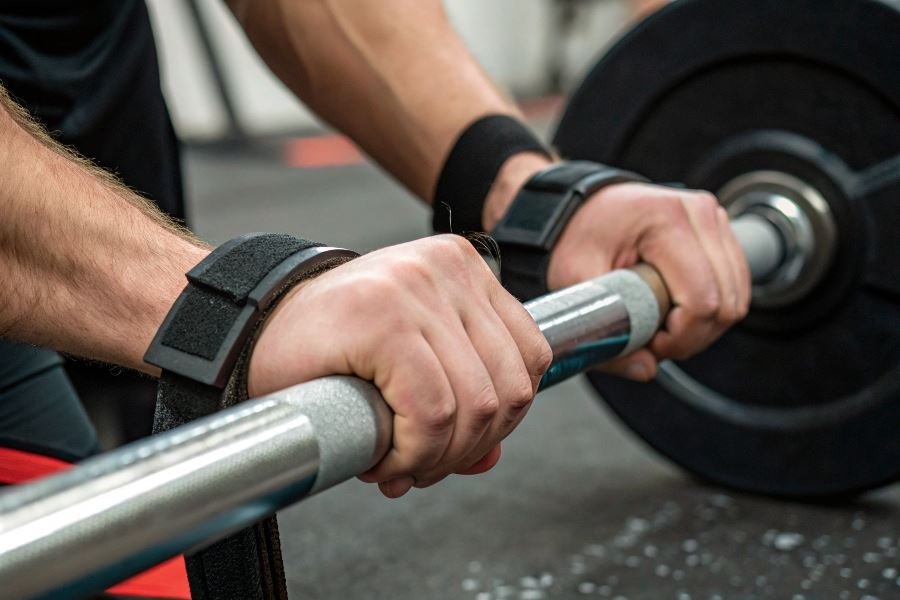
Ever watched 45-pound plates slide off a barbell during a heavy squat? I have—and trust me, the sound of metal crashing onto gym flooring isn’t just startling; it’s the soundtrack to potential disaster.
Barbell collars might seem like minor accessories in your weightlifting arsenal, but they’re actually critical safety devices that prevent weights from shifting or falling during exercises. These simple clamps secure weight plates to the barbell, creating a stable platform for everything from explosive Olympic lifts to basic strength training movements.
The weightlifting world offers several collar varieties, each with distinct advantages. Spring collars provide quick application but less security, while lock-jaw collars deliver maximum stability for heavy lifts. Quick-release collars balance convenience with security, and competition-style collars offer precision weight retention for serious lifters.
“The difference between a secure collar and no collar can be the difference between a personal record and a personal injury.” – Olympic weightlifting coach
Skipping collars introduces serious risks that extend beyond equipment damage. When plates shift during asymmetrical movements like lunges or split squats, the sudden imbalance can twist your spine or joints into compromised positions. During bench presses, sliding plates might cause the barbell to tilt dramatically, potentially leading to shoulder injuries or worse—a barbell dropping toward your face or neck.
Even experienced lifters aren’t immune to physics. The momentum generated during dynamic lifts can gradually work plates loose, creating dangerous situations that proper collar use easily prevents.
Mastering Bar Collar Security for Every Lift
When the weights start flying and the adrenaline kicks in, the last thing you want is plates sliding off your barbell mid-rep. That’s where proper collar usage becomes not just important, but essential for your safety and performance. Let’s dive into the technical art of securing those plates exactly where they belong during different lifting scenarios.
Learning how to properly use collars for bars during workouts is a fundamental skill that separates novice lifters from seasoned athletes. The right collar technique not only prevents potentially dangerous situations but also allows you to focus entirely on your form and power output rather than worrying about shifting weights.
Olympic Lift Collar Mastery
Olympic lifts demand special attention to collar placement due to their explosive nature. When setting up for clean and jerks or snatches, position your Olympic collars flush against the innermost plate, leaving zero gap. The collar should make complete contact with the plate’s surface.
For Olympic movements, always use competition-style collars that provide at least 75 pounds of clamping force. The quick-release mechanism should face outward, not toward the plates, to prevent accidental release during the dynamic phases of your lift.
Tightening technique matters: Rotate the collar clockwise until you feel significant resistance, then give it an extra quarter turn. Test security with a gentle tap on the outer edge of the plate—if there’s any movement, tighten further.
Horizontal Bar Movements Done Right
Bench press and other horizontal movements present different collar challenges. Unlike Olympic lifts, the bar doesn’t experience the same vertical forces, but lateral stability remains crucial.
When setting up for bench press:
- Position collars approximately 1mm from the innermost plate
- Ensure the locking mechanism faces upward for easy visibility
- Test security with a slight tilt of the bar before unracking
Spring collars work adequately for most recreational bench pressing, but for anything over 225 pounds, invest in screw-lock or lever-action collars for maximum security.
| Collar Type | Best For | Security Level | Price Range |
|---|---|---|---|
| Spring Clips | Casual lifting | Low-Medium | $5-15 |
| Lockjaw Collars | General training | Medium-High | $30-50 |
| Competition Collars | Heavy lifting | Maximum | $150-300 |
Dynamic Movement Collar Considerations
CrossFit and other dynamic training modalities introduce unique challenges for collar security. The combination of horizontal and vertical forces, plus frequent bar dropping, demands specialized approaches.
For workouts involving multiple movements like thrusters, burpee pull-ups, and bar-facing burpees:
Double-check collar tightness between movements when transitioning between different exercises. The vibration from dropping the bar can gradually loosen even well-secured collars.
Use aluminum or reinforced nylon collars specifically designed for CrossFit-style training. These provide the perfect balance between quick adjustability and rock-solid security during dynamic movements.
The 10 seconds you spend properly securing your collars might save you from weeks of injury recovery. Never rush this critical safety step.
For movements involving bar rotation like muscle-ups or toes-to-bar, position the collar’s locking mechanism perpendicular to the direction of rotation to minimize the chance of accidental release.
Remember that different bar diameters require specific collar types—standard 1-inch training bars need different collars than 28-29mm Olympic bars. Using the wrong size negates all security benefits, regardless of how well you’ve placed them.
Barbell Collar Care: Mastering Maintenance for Maximum Safety
Spotting Damage Before It Spots You
Safety in the weight room isn’t just about proper form—it’s about equipment integrity. Before sliding those collars onto your barbell, take 30 seconds for a proper inspection. Look for hairline cracks in plastic collars, especially around stress points where the locking mechanism connects to the main body. For metal collars, check for bent components or loose screws that could compromise their grip.
Run your fingers along the inner surface that contacts the barbell sleeve. Any rough patches, burrs, or excessive wear can damage your bar’s finish over time. Olympic-style collars with rubber inserts deserve special attention—these inserts should be firmly attached without signs of peeling or compression damage.
The moment between inspecting your collar and starting your lift could be the difference between a personal record and a personal injury.
Test the locking mechanism several times before loading plates. It should engage smoothly but firmly. If you’re using spring collars, they should provide consistent tension throughout the compression range. Loose or inconsistent tension is your cue to set them aside.
Storage Solutions for Every Collar Type
Different collar types demand different storage approaches. Quick-release Olympic collars with rubber components should never be stored in direct sunlight or extreme temperatures, as this accelerates rubber degradation. A dedicated storage rack mounted at eye level keeps them visible and accessible while preventing them from being tossed around.
For spring collars, avoid hanging them compressed, as this weakens the spring tension over time. Instead, store them in their natural, uncompressed state. Many gyms make the mistake of keeping collars on the floor or in bins where they collect moisture and debris—both enemies of proper function.
| Collar Type | Ideal Storage | Maintenance Frequency | Cleaning Method |
|---|---|---|---|
| Olympic Lock-Jaw | Vertical rack, moderate temp | Monthly | Damp cloth, silicone spray for hinges |
| Spring Collars | Uncompressed in drawer | Bi-monthly | Wire brush, light oil |
| Clamp Collars | Hanging, clips open | Quarterly | Compressed air, dry lubricant |
After heavy use, wipe down metal collars with a microfiber cloth to remove chalk and sweat residue. For collars with moving parts, a light application of silicone-based lubricant every few months keeps mechanisms functioning smoothly. Just be careful not to over-lubricate, as excess can transfer to your barbell sleeves.
Retirement Signs: When to Replace Your Collars
Even the highest quality barbell collars eventually reach the end of their useful life. The most obvious sign is inconsistent grip strength—if you notice plates shifting during lifts despite properly secured collars, it’s time for replacement.
For spring collars, watch for decreased tension or visible deformation in the spring coils. Once a spring collar has been stretched beyond its elastic limit, it can never fully recover its original gripping power. Most quality spring collars should last through about 2-3 years of regular use before showing these signs.
Quick-release collars typically show failure through worn locking mechanisms. If the lever feels loose or doesn’t create sufficient pressure when engaged, don’t risk it. The cost of replacement is minimal compared to the potential cost of an injury from sliding plates.
Look for these critical warning signs:
- Visible cracks or deformation in any component
- Loose or missing screws that can’t be tightened
- Rubber inserts that have hardened, cracked, or separated
- Locking mechanisms that don’t fully engage
- Visible rust or corrosion on metal components
Remember that barbell collars are safety equipment first and convenience items second. When in doubt about their condition, err on the side of caution and replace them. Your shoulders, toes, and gym floor will thank you.