
Ever watched a lifter grimace not from exertion, but from a barbell that’s fighting them at every rep? That’s no coincidence—it’s equipment mismatch at work.
The barbell shaft isn’t just a piece of metal connecting weight plates; it’s the primary interface between your body and the resistance that transforms it. Whether you’re chasing a 500-pound deadlift or perfecting Olympic lifts, your barbell selection can be the difference between breakthrough performance and frustrating plateaus.
Training goals dictate your ideal bar
Your training objectives should drive your barbell selection. Olympic weightlifters need whip and spin that powerlifters might find distracting. CrossFit athletes require versatility that specialized strongman competitors would sacrifice for durability. The right barbell amplifies your strengths and compensates for weaknesses—the wrong one fights you at every turn.
The performance trinity: Tensile strength, whip, and knurling
Three critical factors determine whether a barbell becomes your trusted training partner or your workout nemesis:
- Tensile strength (measured in PSI) determines how much weight the bar can handle before permanent deformation. Elite bars boast 190,000+ PSI ratings.
- Whip refers to the bar’s flexibility under load—crucial for Olympic lifts but potentially destabilizing for strict presses.
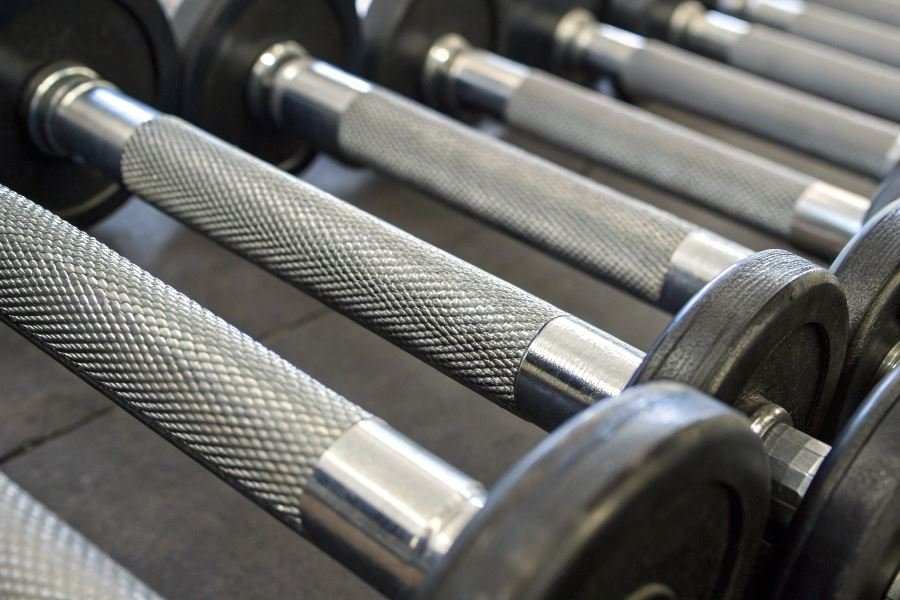
- Knurling pattern affects your grip security. Too aggressive and your hands suffer; too passive and heavy lifts become hazardous.
Remember: A quality barbell isn’t an expense—it’s an investment in both performance potential and injury prevention. The bar that feels right today will still be your trusted training partner years from now.
The Barbell Blueprint: Choosing Your Perfect Bar
When you step up to the rack, your barbell isn’t just equipment—it’s your partner in the iron game. The difference between a good and great barbell can transform your training experience completely. Let’s dive into what to pay attention to when choosing a barbell shaft that will serve your strength journey for years to come.
Steel Quality: The Foundation of Greatness
The material composition of your barbell determines everything from how it feels in your hands to how long it will last through countless drops and lifts. Not all steel is created equal!
High-tensile strength steel (typically rated between 150,000-220,000 PSI) provides the perfect balance of rigidity and flexibility. Olympic-grade barbells often use 190,000+ PSI steel, while entry-level bars might use 130,000 PSI steel.
The difference becomes apparent after just a few months of serious training.
Most quality barbells use one of these steel variations:
- American steel (often 190,000+ PSI)
- European steel (frequently German or Swedish)
- Japanese steel (known for exceptional consistency)
The finish applied to the steel also matters tremendously:
| Finish Type | Corrosion Resistance | Feel | Maintenance Needs |
|---|---|---|---|
| Bare Steel | Minimal | Raw, excellent | High |
| Zinc | Moderate | Good | Moderate |
| Chrome | Good | Smooth | Low |
| Cerakote | Excellent | Textured | Very Low |
| Stainless Steel | Superior | Premium | Minimal |
Weight Capacity and Whip: Finding Your Flex
A barbell’s “whip” refers to its tendency to flex and rebound during dynamic lifts. This isn’t a defect—it’s a feature that can make or break your Olympic lifts.
For powerlifters: Look for bars with minimal whip (often called “power bars”) with weight capacities of 1,500+ lbs.
For Olympic lifters: Seek bars with more pronounced whip that store kinetic energy during the pull phase of cleans and snatches.
The weight capacity directly correlates with the bar’s tensile strength. A competition-worthy bar should handle at least 1,000 lbs without permanent deformation. Elite bars from manufacturers like Eleiko or Rogue Fitness often exceed 1,500 lbs capacity.
The whip characteristics become most noticeable when you’re moving serious weight—around 315 lbs and above.
Diameter Decisions: The Perfect Grip
The diameter of your barbell shaft dramatically impacts your lifting experience, especially when it comes to grip security and comfort.
Standard diameters include:
- 28mm: Olympic weightlifting standard (excellent whip)
- 28.5mm: Versatile all-purpose diameter
- 29mm: Powerlifting standard (reduced whip, increased stiffness)
- 32mm: Specialized squat bars
- 25mm: Women’s Olympic standard
Your hand size and the type of lifting you do should guide your choice. Smaller hands generally prefer thinner bars, while those focusing on max strength might prefer thicker bars that distribute pressure more evenly across the palm.
The knurling pattern cut into the shaft provides crucial grip security. Aggressive knurling offers maximum grip but can be rough on hands, while passive knurling is more comfortable for high-rep training.
When selecting your barbell, consider these diameter and grip factors alongside your training style. The perfect bar creates that magical connection between lifter and steel—where the equipment becomes an extension of your body rather than just a tool.
Investing in the Right Barbell Shaft
When you’ve spent hours researching knurling patterns and tensile strength ratings, you’re not just shopping—you’re investing in your athletic future. The barbell shaft you choose today will be your training partner for years to come, making this decision worthy of careful consideration.
Match specifications to training goals
Your barbell should complement your training style like a well-fitted glove. Olympic lifters need a shaft with significant whip for that crucial elastic energy during cleans and jerks. The Eleiko IWF Competition Bar delivers precisely this with its 28mm diameter and carefully calibrated flex.
Powerlifters, on the other hand, require stability above all. The Rogue Ohio Power Bar offers minimal whip with its 29mm shaft and aggressive knurling—perfect for maintaining control during heavy deadlifts and squats.
For CrossFit enthusiasts and functional fitness devotees, versatility reigns supreme. Look for multi-purpose bars with moderate whip, dual knurl marks, and bearings that can handle both Olympic lifts and powerlifting movements.
Training specificity matters: A 15kg women’s bar isn’t just lighter—its 25mm diameter provides a better grip for smaller hands, making it the optimal choice for many female athletes regardless of strength level.
Maintenance extends lifespan dramatically
Even the finest barbell will deteriorate without proper care. The difference between a bar that lasts three years versus thirty often comes down to maintenance habits.
A quality barbell isn’t disposable—it’s an heirloom waiting to happen.
Implement this maintenance routine to protect your investment:
| Frequency | Maintenance Task | Benefits |
|---|---|---|
| After each use | Brush with nylon brush | Removes chalk, sweat, skin oils |
| Weekly | Wipe with 3-in-1 oil | Prevents oxidation, maintains spin |
| Monthly | Deep clean sleeves | Preserves bearing/bushing function |
| Quarterly | Full inspection | Identifies issues before they worsen |
Stainless steel bars require minimal maintenance but command premium prices. Chrome and zinc-coated options offer good corrosion resistance at mid-range price points but need more attention in humid environments.
Quality vs budget considerations
The barbell market spans from $100 budget options to $1,000+ competition-certified equipment. This price spectrum reflects genuine differences in performance and longevity.
Budget bars ($100-250) typically offer tensile strengths around 150,000 PSI with basic bushings. They’ll serve beginners well but may develop sleeve play and bend permanently under heavy loads.
Mid-range bars ($250-500) represent the sweet spot for most serious trainees. With tensile strengths of 190,000+ PSI and quality bushings or needle bearings, these bars can handle anything short of elite-level competition.
Premium bars ($500+) deliver competition specifications, superior spin mechanics, and often lifetime warranties. The Texas Power Bar exemplifies this category with its legendary durability—many have been in continuous gym use since the 1980s.
The real calculation: A $300 bar that lasts 15 years costs $20 annually. A $150 bar requiring replacement every 3 years costs $50 annually. Quality isn’t expensive—it’s economical.
Choose a barbell that meets your current needs while accommodating future growth. The right bar becomes more than equipment—it becomes the reliable constant in your ever-evolving fitness journey.