
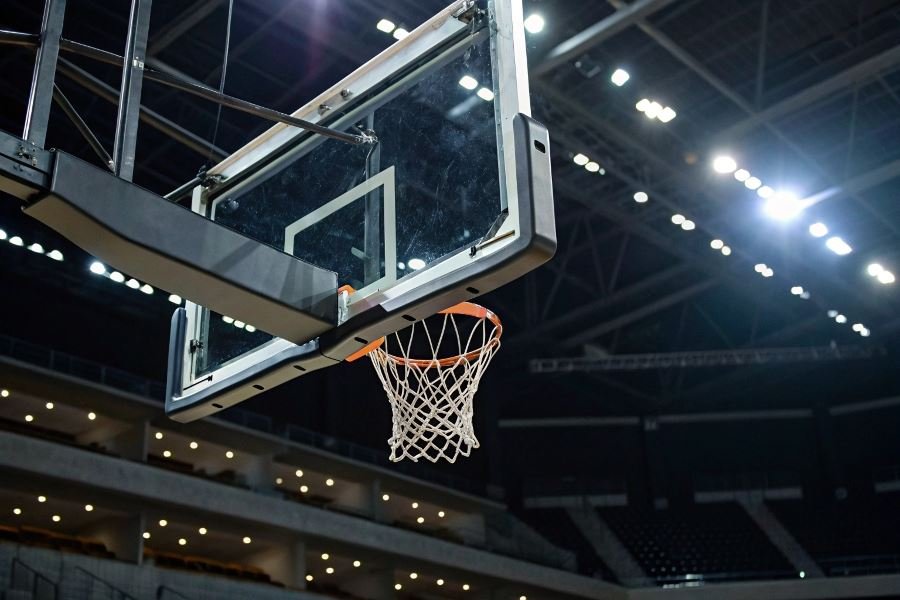
Ever noticed how the right basketball hoop transforms an ordinary driveway into the stage for countless game-winning shots? Whether you’re practicing fadeaways at dawn or hosting neighborhood tournaments at dusk, the quality of your outdoor basketball system fundamentally shapes your playing experience.
The outdoor basketball hoop market has exploded with options ranging from portable systems starting around $200 to professional-grade in-ground setups commanding $1,500+. This diversity reflects a growing recognition that backyard basketball isn’t just casual recreation—it’s serious business for skill development and family bonding.
Weather resistance isn’t just a feature—it’s survival. A hoop that can’t handle January snow or August heat becomes an expensive lawn ornament rather than a training tool. The best outdoor systems now feature powder-coated steel poles, rust-resistant hardware, and backboards engineered to withstand UV damage and temperature fluctuations without warping.
Key selection factors that separate champions from pretenders
When evaluating outdoor basketball equipment, three factors reign supreme:
- Stability – Nothing ruins a shooting session faster than a wobbling backboard
- Adjustability – Height mechanisms that accommodate growing players and varying skill levels
- Backboard material – From entry-level polycarbonate to competition-worthy tempered glass
The difference between budget and premium options often comes down to how they perform when conditions aren’t perfect. Will your rim maintain tension after thousands of dunks? Does the backboard deliver consistent rebounds even after years of rain exposure? These questions separate systems that last seasons from those that deliver decades of play.
Top 3 Basketball Hoops That Dominate Outdoor Courts
When it comes to elevating your driveway game to arena-level intensity, the right basketball hoop makes all the difference. The best basketball hoops for outdoor courts combine professional-grade performance with weather-resistant durability that stands up to years of slam dunks and three-pointers. Whether you’re training a future NBA star or just want weekend games that feel authentic, your choice of backboard, rim, and support system matters tremendously. Let’s break down the three elite categories that serious players should consider.
In-ground systems for uncompromising stability
Nothing matches the rock-solid performance of in-ground basketball hoops when you’re seeking professional-level play. These permanent fixtures anchor directly into concrete, eliminating the wobble and movement that plague lesser systems.
The Spalding NBA In-Ground Basketball System stands as the gold standard with its tempered glass backboard that delivers authentic ball response identical to indoor courts. Its four-inch square pole construction prevents even the slightest vibration during aggressive play, while advanced breakaway rims absorb the force of thunderous dunks without compromising structural integrity.
For serious players willing to invest in performance, the Lifetime Mammoth In-Ground System offers a 60-inch tempered glass backboard with professional-grade padding and a height adjustment mechanism that accommodates players of all ages.
Key advantage: Zero movement during play creates the most authentic basketball experience possible outside of professional arenas.
Portable systems for flexibility without compromise
When permanent installation isn’t practical but performance remains non-negotiable, premium portable basketball hoops deliver impressive stability with the added benefit of mobility.
The Silverback NXT revolutionizes the portable category with its “Infinity Edge” backboard that eliminates traditional frame designs for improved rebound consistency. Its weighted base holds 35 gallons of water or sand, creating remarkable stability while still allowing repositioning when needed.
| Portable Hoop | Base Capacity | Backboard Size | Height Adjustment |
|---|---|---|---|
| Silverback NXT | 35 gallons | 54 inches | 7.5-10 feet |
| Spalding NBA Beast | 55 gallons | 60 inches | 7.5-10 feet |
| Lifetime Pro Court | 27 gallons | 44 inches | 7.5-10 feet |
The Spalding NBA Beast earns its name with a massive 55-gallon base capacity that approaches in-ground stability levels while maintaining portability. Its multi-wheel design allows a single person to reposition this professional-grade system with minimal effort.
Portable systems have dramatically improved in recent years, closing the performance gap with in-ground options while maintaining the flexibility many households require.
Wall-mounted solutions for space optimization
When court space comes at a premium but performance standards remain high, wall-mounted basketball hoops deliver professional play without sacrificing valuable square footage.
The Goalsetter Wall-Mount features aircraft-grade aluminum construction that withstands decades of outdoor play while its tempered glass backboard delivers professional rebound performance. Its adjustable extension arm allows the system to extend between 2-4 feet from the mounting surface, providing proper playing clearance without permanent court commitment.
Space-saving advantage: Wall-mounted systems eliminate the base footprint entirely, allowing full-court play in driveways and spaces where portable bases would intrude on the playing area.
For maximum durability in challenging weather environments, the Lifetime Steel-Frame Wall Mount combines a polycarbonate backboard with powder-coated steel components that resist rust and corrosion through years of rain, snow and intense sun exposure.
Slam Dunk Economics: Investing in Your Outdoor Court
Premium vs Budget Hoops: The Real Cost Breakdown
Let’s cut to the chase—premium basketball hoops from brands like Spalding or Lifetime typically range from $400 to $1,500, while budget options hover between $150 and $300. But here’s the game-changing reality: that premium system might actually save you money over time.
Premium systems with tempered glass backboards and heavy-gauge steel poles typically last 15+ years with proper care, compared to 3-5 years for budget acrylic models. Do the math—replacing a $200 hoop three times costs more than investing in a single $600 professional-grade system.
The performance difference is undeniable. Premium hoops deliver consistent ball response, minimal vibration, and regulation-like play. Budget systems often suffer from backboard wobble that affects shot development and rim flex that can throw off your shooting touch.
“The difference between a $200 hoop and a $600 hoop isn’t just durability—it’s the difference between practicing on equipment that builds bad habits versus equipment that prepares you for real game situations.”
Installation Realities for Different Hoop Types
Your installation options dramatically impact both cost and performance:
| Hoop Type | Installation Complexity | Approximate Install Cost | Permanence |
|---|---|---|---|
| In-ground | High (concrete required) | 200−400 | Permanent |
| Portable | None (DIY) | $0 | Fully movable |
| Wall-mount | Medium | 100−300 | Semi-permanent |
In-ground systems require concrete footings (typically 2 feet deep and 2 feet wide), but deliver unmatched stability. The installation involves digging, mixing concrete, and precise pole placement—not a casual weekend project. Many homeowners hire professionals, adding 200−400 to the total investment.
Portable systems offer flexibility but sacrifice stability. Their large plastic bases need 35-40 gallons of water or sand for ballast, weighing 300+ pounds when filled. While no installation is required, they need level ground and regular checking for water evaporation or sand compaction.
Wall-mounted hoops present a middle ground, requiring secure attachment to brick, concrete, or reinforced wood structures. They save space but limit playing area to directly in front of the backboard.
Maintenance Mastery for Maximum Lifespan
The difference between a hoop lasting 3 years versus 15+ often comes down to these maintenance fundamentals:
-
Seasonal rim care – Remove net during harsh winter months in northern climates to prevent rust formation. Apply silicone lubricant to springs on breakaway rims annually.
-
Hardware tightening – Check and tighten all bolts and fasteners quarterly. Vibration from play gradually loosens connections, leading to wobble that stresses components.
-
Surface protection – Apply automotive wax to metal poles annually to prevent oxidation. For portable systems, use UV protectant on plastic bases to prevent cracking from sun exposure.
-
Adjustment mechanism maintenance – Clean and lubricate height adjustment mechanisms twice yearly with lithium grease to prevent seizing.
Smart maintenance timing makes all the difference. Schedule checks before summer’s peak playing season and again before winter weather hits. This proactive approach prevents the small issues that cascade into system-killing problems.
The best outdoor basketball hoop isn’t necessarily the most expensive—it’s the one that delivers the right balance of performance, durability, and value for your specific playing needs and maintenance commitment.