
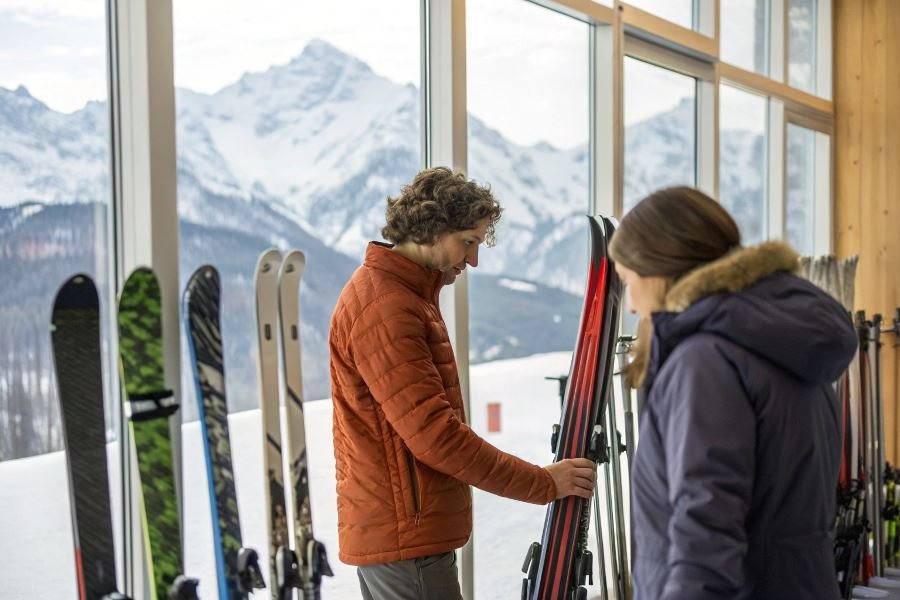
Ever stood at the edge of a pristine snow-covered trail, watching skiers glide effortlessly across the landscape, and thought, “I want to do that”? Cross-country skiing offers one of winter’s most accessible yet rewarding experiences—but only if you’re on the right skis.
Choosing your first pair of cross-country skis isn’t just about grabbing whatever’s on sale. It’s about finding your perfect snow partner—one that matches your goals, terrain, and physical attributes. The right skis don’t just perform better; they make learning enjoyable rather than frustrating.
The three faces of cross-country skiing
Cross-country skiing isn’t one-size-fits-all. It breaks down into three distinct disciplines:
Classic skiing follows traditional in-line tracks with a walking-like motion—perfect for beginners seeking stability and predictability. Skate skiing uses a lateral pushing motion similar to ice skating, offering higher speeds on groomed surfaces. Backcountry skiing takes you off the beaten path into ungroomed terrain, combining elements of downhill and cross-country techniques.
Why your ski choice matters more than you think
Your ski selection directly impacts your learning curve. Too stiff, and you’ll struggle to control them. Too soft, and you’ll sacrifice performance. The right length provides stability without becoming unwieldy. When beginners abandon the sport after one season, inappropriate equipment is often the culprit.
The selection puzzle: Piecing it together
Finding your perfect match means considering:
- Your body metrics (height, weight, strength)
- Terrain preferences (groomed trails vs. wilderness adventures)
- Skiing style (classic, skate, or backcountry)
- Experience level (complete novice or athletic beginner)
The journey to finding your ideal cross-country skis starts with understanding these fundamentals—and ends with you gliding confidently across winter’s wonderland.
Essential Factors for Choosing Your First Cross-Country Skis
Stepping into the world of cross-country skiing opens up winter landscapes like nothing else. The right skis can make your first experiences on snow exhilarating rather than frustrating. When selecting your first pair of cross-country skis, three critical factors will determine whether you glide with confidence or struggle with every stride.
Understanding how to choose cross-country skis for beginners starts with recognizing that skis aren’t one-size-fits-all equipment. They’re precision tools designed to match your body and intended use. The perfect pair creates that magical connection between you and the snow, transforming energy into forward motion with minimal effort.
Finding Your Perfect Ski Length
Ski length directly impacts stability, control, and glide efficiency. For beginners, the right length creates a balance between maneuverability and tracking.
Traditional sizing formulas suggest:
- Classic skiing: Your height plus 20-30cm
- Skate skiing: Your height plus 10-15cm
However, weight is equally important as it determines how much the ski flexes under you. A heavier skier needs a stiffer ski to prevent excessive base contact with snow.
| Skier Weight (lbs) | Classic Ski Length | Skate Ski Length |
|---|---|---|
| 100-130 | Height + 15-20cm | Height + 5-10cm |
| 130-160 | Height + 20-25cm | Height + 10-12cm |
| 160-190 | Height + 25-30cm | Height + 12-15cm |
| 190+ | Height + 30-35cm | Height + 15-20cm |
Remember that shorter skis offer better control for beginners but sacrifice some glide efficiency.
Width Matters: Finding Your Balance
Ski width affects both stability and performance in different snow conditions. Wider skis provide more stability and flotation in soft snow but feel sluggish on groomed trails.
For beginners, the sweet spots are:
- Classic skis: 40-45mm at the widest point
- Skate skis: 40-42mm at the widest point
Touring skis designed for off-track adventures run wider (50-70mm) to handle unpredictable snow conditions. If you’re primarily sticking to groomed trails, narrower is better for efficiency. Those planning to explore beyond the tracks should consider slightly wider options from brands like Fischer or Rossignol.
Camber and Flex: The Soul of Your Skis
Camber refers to the arch built into the ski when it’s not weighted. This design element is perhaps the most critical yet least understood aspect of cross-country ski selection.
Classic skis feature a pronounced “double camber” creating a pocket under your foot where kick wax is applied. When weighted properly, this pocket flattens to grip the snow for forward propulsion.
Skate skis utilize a “single camber” design that’s stiffer throughout, allowing for efficient edge-to-edge transfer during the skating motion.
For beginners, look for:
- Classic skis with a softer flex pattern that’s more forgiving when your technique isn’t perfect
- Skate skis with moderate stiffness that balance power transfer with forgiveness
Many manufacturers like Salomon and Madshus offer “sport” or “recreational” models with flex patterns specifically engineered for developing skiers.
The right combination of length, width, and camber creates a foundation for enjoyable learning experiences on snow. Take time to match these characteristics to your body and intended skiing style, and you’ll be rewarded with equipment that grows with your abilities.
Seal the Deal: Your Final Cross-Country Ski Selection
Finding your perfect pair of cross-country skis doesn’t have to feel like navigating an alpine pass in a blizzard. Let’s cut through the noise and zero in on what truly matters as you make your final decision.
Top beginner packages that deliver
The market offers several standout packages that consistently earn praise from both novices and instructors. Here’s how the cream of the crop stacks up:
| Ski Package | Best For | Price Range | Standout Feature |
|---|---|---|---|
| Fischer Sporty Crown | All-around versatility | $280-350 | Exceptional stability with Air Core technology |
| Rossignol Evo OT 65 | Mixed-terrain exploration | $300-380 | Wider platform for off-track confidence |
| Salomon Escape 64 | Pure classic technique | $250-320 | Progressive sidecut for intuitive turning |
Each package includes skis, bindings, and often poles—everything you need except boots. The Fischer setup shines for its forgiving nature, while the Rossignol offers versatility for those who might venture beyond groomed trails. Salomon’s entry delivers exceptional value with performance that won’t hold you back as your skills advance.
Smart spending for long-term enjoyment
Cross-country skiing represents one of winter’s most accessible sports, but budget considerations still matter. Here’s the straight talk:
Entry point: Expect to invest $400-600 for a complete setup including skis, bindings, poles, boots, and basic accessories.
Don’t sacrifice fit for price. A properly sized ski that matches your weight and intended use will deliver years of enjoyment, while the wrong ski—even at a bargain—often leads to frustration and premature replacement.
Consider these value-maximizing strategies:
- End-of-season sales (February-March) often slash prices by 20-40%
- Demo fleet purchases offer lightly-used, professionally-maintained equipment
- Package deals typically save 10-15% versus buying components separately
The cheapest gear is the gear you buy once and use for years, not the bargain that collects dust after one frustrating season.
Remember that quality boots often matter more than premium skis for beginners. If you must prioritize your spending, invest in comfortable, supportive footwear first.
Hands-on testing seals the deal
Nothing replaces the confidence that comes from trying before buying. Here’s where to get that crucial pre-purchase experience:
Specialty retailers offer the most comprehensive testing opportunities. Shops like REI and local ski specialists typically maintain demo fleets and employ staff who can assess your technique and recommend appropriate equipment.
Nordic centers at ski resorts frequently host demo days where multiple manufacturers showcase their latest offerings. These events provide the perfect opportunity to compare different models on actual trails.
Ski clubs often organize swap meets where you can find gently used equipment at substantial discounts, with experienced members offering guidance.
When testing, focus on:
- How the ski feels during kick and glide
- Stability during downhill sections
- Overall comfort and control
Ask pointed questions about waxing requirements, durability expectations, and how the ski might accommodate your improving technique over the next few seasons.
With these considerations in mind, you’re positioned to make a confident choice that will launch your cross-country skiing journey with momentum and joy rather than frustration and second-guessing.