
Ever stood at the top of a steep descent, heart pounding, fingers hovering over your brake levers, wondering if they’ll actually stop you when needed? That split-second of doubt can change everything.
The battle between disc and rim brakes has transformed from industry insider talk to everyday conversation among cyclists. What began in the 1970s with basic caliper brakes has evolved into sophisticated systems that can bring a bike traveling at 30mph to a complete stop in seconds. Now that disc brakes dominate professional cycling—appearing on 87% of Tour de France bikes in recent years—the question isn’t just which is better, but which is better for you.
The evolution of stopping power
Bicycle braking has come a long way since the early wooden blocks pressed against wheels. Rim brakes dominated for decades, with their simple design pressing rubber pads against the wheel rim. Disc brakes, borrowed from motorcycle technology, entered the mainstream cycling market in the early 2000s, using a dedicated rotor and caliper system mounted to the wheel hub.
How they actually work
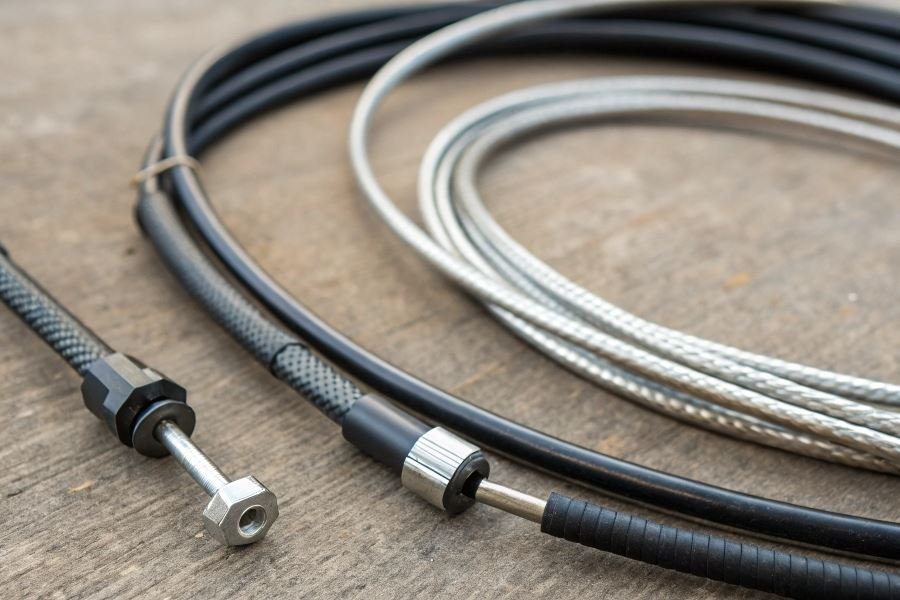
Rim brakes operate on a beautifully simple principle: squeeze the lever, pull the cable, press pads against the rim. Direct. Mechanical. Visible.
Disc brakes function differently, applying force to a dedicated rotor attached to the wheel hub. This system comes in two varieties:
- Mechanical: Using cables like rim brakes
- Hydraulic: Using fluid to transfer force (like your car)
Measuring what matters
When comparing these systems, five metrics stand out:
| Performance Metric | Why It Matters |
|---|---|
| Stopping power | The difference between control and catastrophe |
| Modulation | How precisely you can apply braking force |
| Weather performance | Consistency when conditions turn nasty |
| Weight | Every gram counts when climbing |
| Maintenance | How much time you’ll spend wrenching vs. riding |
The difference between these systems isn’t just technical—it’s experiential. Your riding style, terrain preferences, and even weather conditions will determine which braking system feels like it was made specifically for you.
Disc vs Rim Brakes: The Ultimate Terrain Showdown
Road Cycling Performance Analysis
When rubber meets pavement, every second and gram counts. Road cyclists have historically sworn by rim brakes for their lightweight simplicity and aerodynamic profile. At just 300-400 grams for a complete system, traditional rim brakes from manufacturers like Shimano and SRAM offer weight advantages that climbing specialists particularly appreciate.
The ongoing debate about disc vs rim brakes: which is better for different riding styles often centers around stopping power versus weight. Disc brakes deliver approximately 20-30% more stopping power in dry conditions and up to 60% more in wet conditions. This translates to shorter stopping distances—typically 7-10 feet less from 25mph—giving riders increased confidence on technical descents.
Heat dissipation becomes crucial during extended descents. While rim brakes transfer heat directly to the rim (potentially causing tire blowouts), disc systems distribute heat through the rotor and caliper, maintaining more consistent performance. The 2018 Tour de France marked a turning point when over 70% of professional teams adopted disc brakes for mountain stages.
| Brake Type | Weight | Wet Performance | Modulation | Maintenance |
|---|---|---|---|---|
| Rim Brakes | 300-400g | Fair | Good | Simple |
| Disc Brakes | 500-700g | Excellent | Excellent | More complex |
Mountain Biking Off-Road Performance
Off-road riding presents an entirely different challenge. Mud, dust, rocks, and dramatic elevation changes demand braking systems that perform consistently regardless of conditions.
Disc brakes have revolutionized mountain biking for good reason. Their sealed systems remain largely unaffected by mud, water, and debris that would render rim brakes nearly useless. The larger 180-203mm rotors commonly used in trail and downhill riding dissipate heat more effectively during prolonged descents, preventing the dreaded brake fade that can lead to dangerous situations.
Modulation—the ability to precisely control braking force—gives disc brakes a significant edge. Riders can feather their brakes through technical sections without locking up wheels, maintaining traction and control. This precision is why virtually 100% of mountain bikes above $500 now come equipped with disc brakes from manufacturers like Hayes and Magura.
Commuting and Urban Reliability
For daily commuters battling traffic, weather, and unpredictable road conditions, reliability trumps marginal performance gains.
Disc brakes shine in urban environments for several practical reasons. Their consistent performance regardless of weather conditions means the same braking response on both dry summer mornings and rainy autumn evenings. This predictability is invaluable when navigating busy intersections or avoiding distracted pedestrians.
The maintenance equation matters most to those who depend on their bikes daily. Rim brakes require more frequent pad adjustments as they wear, while disc systems maintain their setting longer.
Hydraulic disc systems need bleeding approximately once per year, while mechanical discs require cable tension adjustments similar to rim brakes. However, rim brakes gradually wear down the braking surface of the wheel rim, eventually requiring expensive wheel replacement—a hidden long-term cost.
For commuters carrying loads or riding e-bikes, disc brakes handle the additional weight and speed with greater authority. The increased stopping power means less hand fatigue during stop-and-go city riding, a benefit that becomes apparent after just a few miles of urban navigation.
The verdict? While rim brakes remain viable for fair-weather road purists seeking minimum weight, disc brakes offer superior versatility across varied terrain and weather conditions—making them the more adaptable choice for most riders in today’s diverse cycling landscape.
Making the Right Brake Choice: Your Riding Style, Your Rules
Budget Reality Check
Let’s cut to the chase—disc brakes cost more. Not just upfront, but throughout your cycling journey. A quality hydraulic disc brake system from Shimano or SRAM typically starts around $250-300 per wheel, while comparable rim brake setups might run $150-200. That’s a significant difference when building or upgrading your ride.
But here’s where it gets interesting—the long-term value proposition. Disc brake pads last substantially longer in wet conditions, sometimes 2-3 times longer than rim brake pads. However, when you do need to replace them, disc pads cost about $25-35 compared to $15-20 for rim brake pads.
The hidden cost factor? Rim wear. With rim brakes, you’re gradually wearing down your wheel’s braking surface. After several seasons of hard riding, you might be looking at complete wheel replacement—a $200-500 expense that disc brake users simply don’t face.
Long-term value assessment: If you ride year-round in varied conditions, disc brakes often prove more economical over a 5-year period despite the higher initial investment.
Compatibility Considerations
Upgrading from rim to disc brakes isn’t just about swapping brake calipers—it’s a comprehensive system change that requires:
- Frame and fork with disc brake mounts
- Disc-compatible wheels with hubs designed for rotors
- Compatible brake levers and often new shifters
This creates what I call the “all-or-nothing upgrade scenario.” You’re essentially looking at a new bike rather than a simple component swap. Many riders find themselves at this crossroads when their trusty rim-brake steed needs significant maintenance.
If you’re buying new, this isn’t an issue—but if you’re upgrading an existing bike, compatibility might force your hand.
Your Riding Style and Preferences
This is where the decision gets personal. Consider these rider-specific factors:
| Rider Factor | Disc Brake Advantage | Rim Brake Advantage |
|---|---|---|
| Hand strength | Less force required | N/A |
| Mechanical aptitude | N/A | Simpler maintenance |
| Weight consciousness | N/A | Lighter overall system |
| Wet weather riding | Superior performance | N/A |
| Long descents | Better heat management | N/A |
Your skill level matters too. Newer riders often appreciate the progressive, predictable power of disc brakes, which can build confidence on technical descents. Experienced riders who’ve spent years modulating rim brakes may find the transition requires some adaptation—the “touch” is different.
The maintenance factor: Be honest about your willingness to maintain your brakes. Hydraulic disc systems deliver outstanding performance but require occasional bleeding—a procedure that intimidates some home mechanics. Rim brakes are more straightforward to adjust and maintain with basic tools.
Remember that your preferences might evolve. Many riders who swore by rim brakes have become disc converts after experiencing their all-weather reliability and modulation. Others maintain that the simplicity and feel of rim brakes better connects them to their riding experience.
The best choice aligns with how, where, and why you ride—not just what’s trending in the cycling world.