
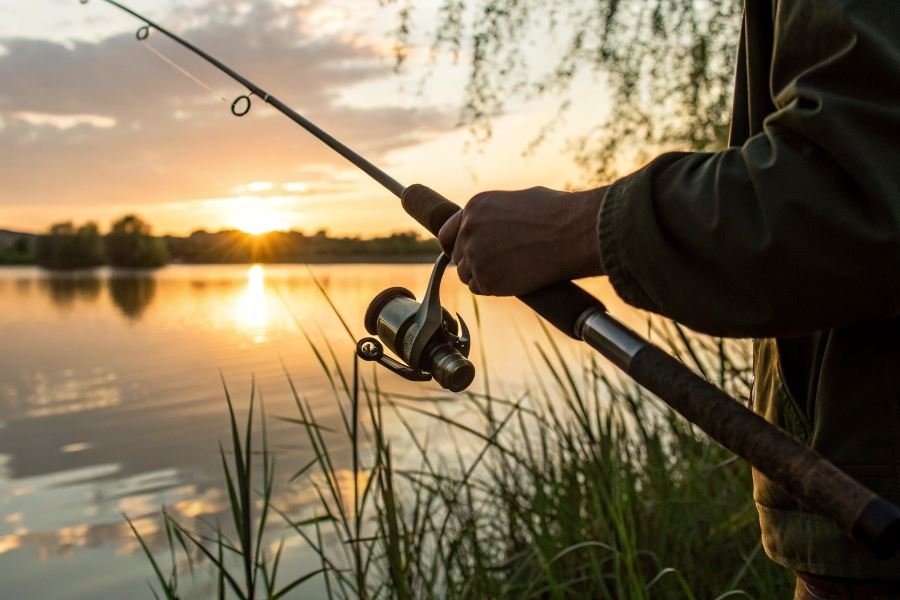
Ever stood at the water’s edge, perfect conditions all around, yet fish seemingly ignoring your every cast? The culprit might be hanging right in your hands. The right fishing rod isn’t just equipment—it’s the critical link between angler and aquatic prey.
Selecting the appropriate rod for your specific fishing adventure isn’t merely about comfort or tradition; it’s about creating the perfect mechanical advantage for your particular quarry and environment. Think of your rod as both translator and amplifier—it must accurately transmit information from beneath the surface while providing the leverage needed to control and land your target.
“The difference between the right rod and the wrong rod can be the difference between a trophy catch and an empty cooler.” – Professional bass angler Kevin VanDam
The foundation of fishing success
The relationship between rod selection and fishing success runs deeper than many realize. A rod’s action (how much it bends), power (resistance to bending), and length create a unique performance profile that either complements or compromises your fishing technique.
For instance, the ultralight, fast-action rod that excels at detecting subtle trout nibbles in mountain streams would be hopelessly outmatched against a powerful saltwater predator. Similarly, the heavy-duty offshore rod perfect for battling marlin would destroy the delicate presentation needed for skittish panfish.
Matching specifications to species and settings
Your target species dictates rod requirements through its:
- Size and fighting strength – larger, stronger fish demand more powerful rods
- Habitat – structure-heavy environments require stiffer rods for extraction
- Feeding behavior – subtle biters need sensitive rod tips
The fishing environment further refines your selection through factors like casting distance requirements, wind conditions, and water clarity. The perfect rod creates harmony between these elements, transforming fishing from frustration to fluid conversation with the underwater world.
The Anatomy of the Perfect Fishing Rod: Matching Components to Your Catch
When you’re standing at the water’s edge, rod in hand, the difference between going home with a story or just going home often comes down to your equipment choices. The fishing rod—that seemingly simple stick—is actually a sophisticated tool with components precisely engineered for specific fishing scenarios.
Understanding how to choose a rod based on the type of fishing you plan to do transforms your approach from hopeful to strategic. Whether you’re targeting nimble trout in mountain streams or battling powerful saltwater giants, your rod’s specifications directly impact your success rate. Let’s break down the essential components that should guide your next rod purchase.
Power Ratings: From Featherweight to Heavyweight Champions
Rod power—sometimes called “backbone”—defines how much pressure it takes to bend a rod. This spectrum runs from ultralight to extra-heavy:
- Ultralight: Perfect for small stream fishing and species under 2 pounds. These rods make catching a 10-inch trout feel like landing a marlin.
- Light to Medium-Light: Ideal for panfish, trout, and smaller bass. Offers finesse with enough backbone for unexpected catches.
- Medium: The versatile middle ground suitable for bass fishing, walleye, and similar mid-sized species.
- Medium-Heavy to Heavy: Designed for larger bass, pike, muskie, and saltwater species that demand substantial fighting power.
- Extra-Heavy: Reserved for the heavyweights—large saltwater species, sturgeon, and trophy catfish.
Remember: matching your rod power to your target species prevents both lost fish and broken equipment.
Action Types: The Speed of Response
A rod’s action describes where it bends under pressure and how quickly it returns to straight:
| Action Type | Bending Point | Ideal Applications |
|---|---|---|
| Fast | Top third | Precise casting, superior hook-setting power, single-hook lures |
| Moderate | Top half | Versatile performance, treble-hook lures, better fighting control |
| Slow | Throughout | Absorbs runs from powerful fish, perfect for light line and live bait |
Fast-action rods excel with jigs and worms where sensitivity matters, while moderate actions shine with crankbaits and spinnerbaits. Slow-action rods give you the cushion needed when fighting powerful fish on lighter line.
Material Matters: The Building Blocks
Modern fishing rods come in three primary materials, each with distinct characteristics:
Graphite rods offer exceptional sensitivity and lightweight performance. They transmit the slightest nibble directly to your hands but can be brittle under extreme pressure. Higher modulus graphite (IM6, IM7, IM8) provides increased sensitivity but at higher price points.
Fiberglass delivers outstanding durability and forgiveness. While heavier than graphite, these rods absorb powerful strikes and sudden runs, making them perfect for trolling and fighting larger species.
Composite construction combines both materials for a “best of both worlds” approach. These rods typically feature graphite cores with fiberglass overlays in strategic sections, offering sensitivity where needed and strength where it counts.
Length Selection: The Reach Factor
Rod length affects both casting distance and control:
- Short rods (5-6.5 feet): Offer precision in tight quarters like brush-choked streams or under docks
- Medium rods (6.5-7.5 feet): Provide balanced performance for most freshwater applications
- Long rods (7.5+ feet): Deliver maximum casting distance for surf fishing, superior leverage for fighting large fish, and better line control when float fishing
Your fishing environment should dictate length—shorter for confined spaces, longer for open water and distance casting.
The perfect rod isn’t universal—it’s personal. By understanding these components and how they align with your fishing style, target species, and environment, you’ll make informed choices that significantly improve your time on the water.
Sealing the Deal: Making Your Perfect Rod Selection
Smart Budget Balancing for Maximum Performance
Let’s face it—fishing rods can range from $30 bargain bin finds to $500+ premium tools that feel like extensions of your arm. The sweet spot? Most serious anglers find exceptional value in the $150-250 range where quality components meet reasonable pricing.
Don’t automatically chase the most expensive option. A $400 ultra-lightweight bass rod might be overkill if you’re fishing twice a month at local lakes. Conversely, that $40 combo deal might leave you frustrated when battling your first significant catch.
Consider this practical approach: invest more heavily in rods for your primary fishing style, while choosing mid-range options for occasional adventures. Many pros keep a premium St. Croix or G. Loomis for their specialty, backed by reliable workhorses from Shimano or Fenwick for variety.
The most expensive rod isn’t always the best rod—it’s about finding the right tool for your specific fishing conditions and frequency.
Testing Techniques That Reveal The Perfect Match
Never purchase a rod without putting it through these essential tests:
The Spine Test: Hold the rod by the handle and let the tip point down. Apply gentle pressure and rotate—you’ll feel a natural “stopping point” where the rod resists bending. This spine should align with your guides for optimal performance.
The Waggle Test: Simulate casting motions in-store to assess:
- Recovery speed (how quickly the rod straightens after flexing)
- Loading feel (how energy builds during the cast)
- Balance point (where the rod feels neutrally weighted)
| Test Type | What to Look For | Red Flags |
|---|---|---|
| Spine | Clear resistance point | Multiple weak points |
| Waggle | Smooth, consistent flex | Jerky or uneven bending |
| Balance | Comfortable weight distribution | Tip or butt heaviness |
| Guide Alignment | Straight line when viewed down rod | Misaligned guides |
The Grip Test: Hold the rod as you would during a full day on the water. Does it cause hand fatigue? Can you maintain control when mimicking a hookset? The best rod feels like it disappears in your hands.
Rod Maintenance Mastery for Years of Performance
A quality fishing rod can last decades with proper care. Implement these maintenance practices religiously:
-
Post-Trip Rinse: Always rinse with fresh water after saltwater exposure—even if the rod appears clean. Salt crystals microscopically damage components over time.
-
Guide Inspection: Run cotton swabs through guides monthly to catch microscopic nicks that can fray line. Replace damaged guides immediately through your local Bass Pro Shops or tackle specialist.
-
Storage Solutions: Store rods horizontally on wall racks or vertically in tube cases—never leaning in corners where they can develop permanent curves. Rod Glove protective sleeves prevent guide damage during transport.
-
Cork Care: Apply specialized cork cleaner annually to prevent deterioration from hand oils and dirt. Avoid harsh chemicals that break down the natural material.
The difference between a rod that lasts three seasons versus thirty years often comes down to these simple maintenance habits.
Your perfect fishing rod becomes an extension of your angling style—choose wisely by balancing budget realities with performance needs, test thoroughly before purchase, and protect your investment with consistent care. The right rod doesn’t just catch fish; it transforms your entire fishing experience.