
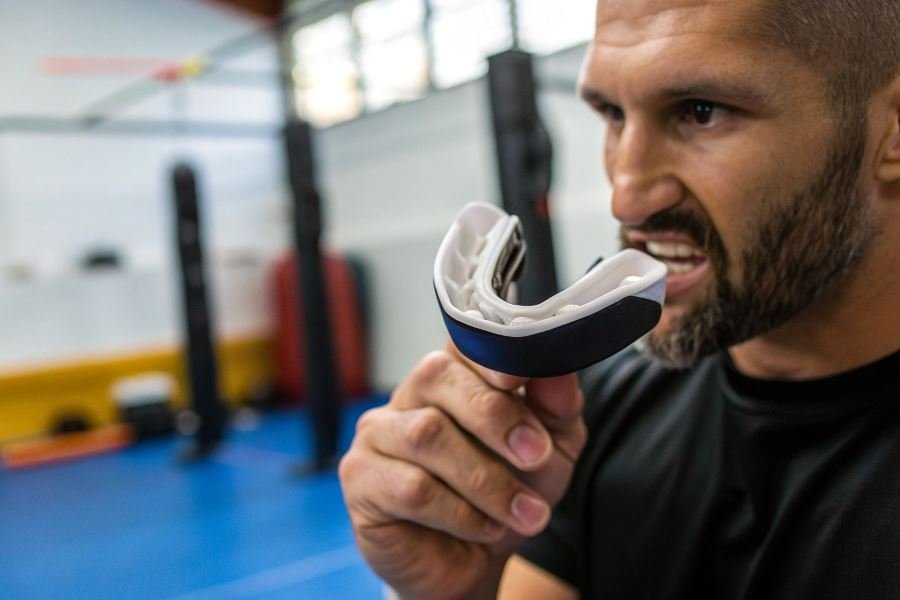
Ever taken a basketball to the face? Or caught an elbow during a pickup game? That distinctive sound of teeth meeting impact isn’t just cringe-worthy—it’s expensive. The average dental implant costs between 3, 000−4,500 per tooth. Yet a shocking 84% of athletes don’t wear mouthguards when they’re not mandatory.
Choosing the right sports mouthguard isn’t just about checking a box for safety—it’s about preserving your smile, preventing concussions, and avoiding those painful emergency dental visits that nobody has time for. Whether you’re a weekend warrior or coaching your kid’s team, understanding mouthguard basics is non-negotiable.
The dental injury reality check
The numbers tell a compelling story:
- Athletes are 60 times more likely to suffer dental injuries when not wearing a mouthguard
- Over 5 million teeth are knocked out annually during sports activities
- Basketball and baseball—not just football—lead in facial injuries
- A properly fitted mouthguard reduces dental injury risk by nearly 90%
Your mouthguard options decoded
Three main types dominate the market, each with distinct advantages:
Stock mouthguards: Ready-to-wear and inexpensive ($5-15). The convenience comes with drawbacks—bulky fit, breathing difficulties, and minimal protection. Think of these as the emergency backup, not your go-to solution.
Boil-and-bite guards: The middle ground ($15-45). You soften them in hot water, then bite down to create a semi-custom fit. They offer reasonable protection with better comfort than stock options.
Custom-fitted mouthguards: The gold standard ($200-500). Created by dental professionals using precise impressions of your teeth, these provide superior protection, comfort, and durability. They’re thinner yet stronger, allowing easier breathing and communication during play.
Remember: The best mouthguard is the one you’ll actually wear consistently.
Protection Levels: Choosing the Right Mouthguard
When it comes to protecting your teeth during sports, not all mouthguards are created equal. The difference between adequate protection and potential dental disaster often comes down to selecting the right type for your specific activity and needs. Understanding how to choose a sports mouthguard based on protection level can save you thousands in dental bills and prevent painful injuries that could sideline your athletic pursuits.
Stock Mouthguards: Ready to Wear, Ready to Compromise
Stock mouthguards represent the entry-level option in oral protection. These pre-formed plastic shields come ready to use straight out of the package—no adjustments, no customization.
Advantages:
- Immediate use capability
- Most affordable option ($5-15)
- Widely available at sporting goods stores
However, these one-size-fits-all solutions come with significant drawbacks. Their bulky design often makes speaking and breathing difficult, reducing communication on the field. Many athletes find themselves distracted by the constant need to bite down to keep them in place.
“Stock mouthguards are like wearing someone else’s shoes—they might technically work, but they’ll never feel right.”
Protection-wise, stock mouthguards offer only basic impact absorption. For non-contact sports or beginners just trying out an activity, they might suffice. But for anyone serious about their sport or facing genuine impact risks, the limitations quickly outweigh the convenience.
Boil-and-Bite Mouthguards: The Middle Ground
Boil-and-bite mouthguards represent the sweet spot between affordability and customization. These thermoplastic protectors transform from rigid pieces to moldable protection through a simple process:
- Immerse in boiling water for 30-60 seconds
- Cool briefly to prevent burns
- Place in mouth and bite down firmly
- Use fingers and tongue to mold around teeth
- Cold water rinse to set the shape
Why they work better:
- Semi-customized fit improves retention
- Better protection distribution across dental surfaces
- Improved comfort allows for better communication
- Typically priced between $15-30
The resulting fit, while not perfect, conforms reasonably well to your dental anatomy. This improved fit translates to better protection, as the guard stays in place during impact and distributes force more evenly across your teeth.
| Feature | Stock | Boil-and-Bite | Custom |
|---|---|---|---|
| Cost | $5-15 | $15-30 | $200-500 |
| Fit Quality | Poor | Moderate | Excellent |
| Protection Level | Minimal | Adequate | Superior |
| Comfort | Low | Medium | High |
| Durability | 1 season | 1-2 seasons | 3-5 seasons |
Custom-Fitted Mouthguards: Professional Protection
For athletes seeking maximum protection, custom-fitted mouthguards represent the gold standard. Created by dental professionals, these guards begin with precise impressions of your teeth, ensuring a perfect fit that accounts for every contour of your mouth.
The process typically involves:
- Dental impression taken by a professional
- Laboratory fabrication using high-grade materials
- Final fitting and adjustments by your dentist
Superior benefits include:
- Exceptional fit eliminates movement during play
- Precisely distributed protection across all surfaces
- Thinner profile allows normal speech and breathing
- Material options tailored to specific sports (impact levels)
- Potential for integration with orthodontic appliances
While the $200-500 investment might seem steep compared to other options, custom guards typically last 3-5 times longer than store-bought alternatives. More importantly, they provide dramatically improved protection against concussions, tooth fractures, and soft tissue injuries.
For competitive athletes, contact sport participants, or anyone with existing dental work, the investment in a custom-fitted mouthguard represents not just protection but peace of mind that allows full focus on performance rather than potential injury.
Sport-Specific Mouthguard Selection Guide
High-Impact Sports Demand Serious Protection
When you’re stepping onto the field for football, sliding across the ice for hockey, or climbing into the ring for boxing, your mouthguard isn’t just equipment—it’s essential armor. High-impact sports demand maximum protection due to the frequency and intensity of potential facial impacts.
For football players, look for thick, multi-layered mouthguards with at least 4mm of front impact protection. The Shock Doctor Gel Max has become the gold standard with its reinforced front wall specifically designed to absorb the crushing impact of helmet-to-helmet collisions.
Hockey players face unique challenges with stick impacts and ice collisions. The ideal hockey mouthguard features:
- Extended coverage for front teeth
- Breathing channels for oxygen during intense shifts
- Integrated jaw protection to prevent concussions
Boxing and combat sports require the most robust protection available. Custom-fitted mouthguards are practically mandatory here, as they provide superior shock absorption while allowing clear communication with coaches between rounds.
The difference between a standard mouthguard and a sport-specific one isn’t just comfort—it could be the difference between keeping or losing your teeth during competition.
Medium-Impact Sports Need Balanced Solutions
Basketball and soccer might not seem as dangerous as their high-impact counterparts, but don’t be fooled—elbows to the face and unexpected collisions happen regularly.
Basketball players benefit from streamlined mouthguards that allow clear communication on the court while still providing adequate protection. The thinner profile (typically 3mm) strikes the perfect balance between protection and comfort during fast-paced play.
Soccer athletes need mouthguards that won’t restrict breathing during continuous running. Look for designs with:
| Feature | Benefit |
|---|---|
| Breathable center channels | Maximizes oxygen intake during sprints |
| Secure fit without straps | Eliminates distraction during headers |
| Moderate thickness (2.5-3mm) | Protects without bulk |
Many medium-impact sport athletes prefer the Under Armour ArmourFit series, which offers excellent protection without the bulkiness that might interfere with communication or breathing.
Proper Fit and Maintenance Extends Protection
Even the most advanced mouthguard becomes useless if it doesn’t fit properly or isn’t maintained correctly. For optimal protection and longevity:
- Follow fitting instructions meticulously – Boil-and-bite guards require precise timing and molding technique
- Clean after every use – Bacteria build-up can compromise material integrity over time
- Store in ventilated cases – Prevents warping and bacterial growth
- Replace at first signs of wear – Worn mouthguards lose their protective capabilities
The best mouthguards feature antimicrobial treatments that prevent bacteria growth between cleanings. Most high-quality guards should last a full season with proper care, though combat sports may require more frequent replacement due to impact deformation.
Remember that a properly fitted mouthguard should stay firmly in place without requiring you to clench your teeth. If you’re constantly adjusting it during play, it’s not providing the protection you need when impacts occur.