
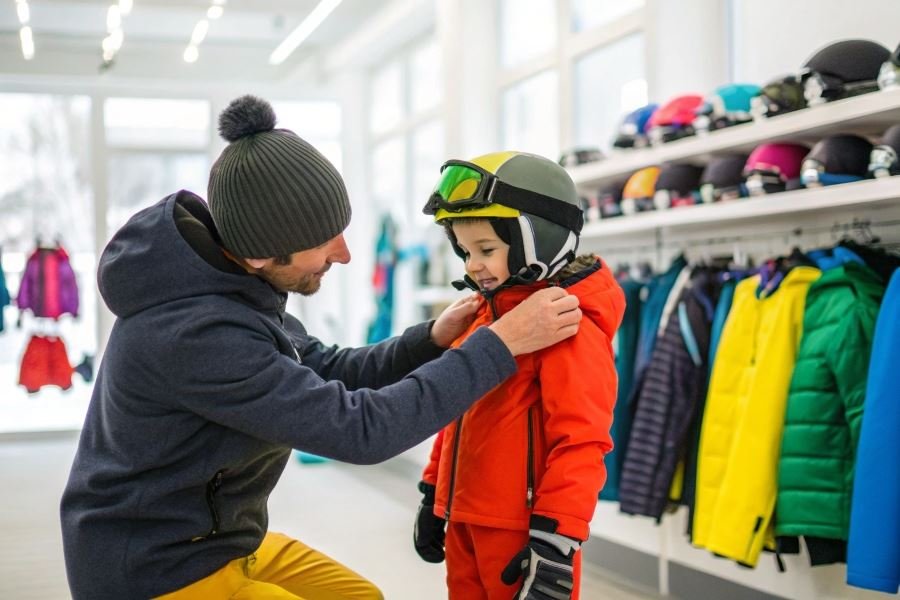
Ever watched your child shiver on the sidelines of a winter soccer game? That’s the moment you realize thermal underwear isn’t just another layer—it’s the difference between a day of outdoor adventure and a miserable, cold experience.
When it comes to determining the quality of children’s thermal underwear, parents face a playing field of options that can feel more complex than the NFL draft. The right thermal base layer does more than just keep kids warm; it actively manages moisture, prevents chafing, and stands up to the relentless wear-and-tear that only children can inflict on clothing.
Material matters more than you think. The foundation of exceptional thermal underwear starts with fabric technology. Merino wool leads the pack with its natural temperature regulation and odor-resistance—perfect for multi-day ski trips. Synthetic blends featuring polypropylene offer superior moisture-wicking at a lower price point, while bamboo-based fabrics deliver eco-friendly comfort with antimicrobial properties.
“The difference between good and great thermal underwear isn’t just warmth—it’s how it performs when your child is alternating between high activity and rest.”
Performance factors that separate the champions from the bench-warmers
Three key elements determine thermal underwear quality:
- Moisture management – Premium thermals transport sweat away from the skin, preventing the dangerous cooling effect of damp fabric
- Seam construction – Flat-lock seams prevent chafing during active movement
- Recovery elasticity – Quality thermals maintain their shape after repeated washing and wearing
The thermal wear landscape has evolved dramatically with innovations like zone-specific thickness mapping and bio-based warming technologies that activate with body heat. These advancements aren’t just marketing—they’re game-changers for keeping kids comfortable in extreme conditions.
Material Matters: The Science Behind Quality Thermal Underwear
When winter adventures call, nothing protects young explorers like properly constructed thermal underwear. The difference between a day of outdoor joy and miserable cold can often be traced back to what’s directly against their skin. Determining the quality of children’s thermal underwear when buying requires understanding the technical aspects that separate premium products from pretenders.
Fabric fundamentals that deliver warmth
The foundation of any thermal layer starts with material selection. Merino wool stands as the gold standard in natural fibers, offering exceptional temperature regulation while remaining surprisingly soft against sensitive skin. Unlike the scratchy wool of yesteryear, today’s merino blends provide antimicrobial properties that resist odor even after multiple wears—crucial for multi-day ski trips or winter camping.
Synthetic options have evolved dramatically, with polypropylene and polyester blends engineered specifically for thermal performance. These materials create microscopic air pockets that trap body heat while maintaining minimal weight. The best synthetic thermals incorporate hollow-core technology, where each fiber contains tiny air channels that enhance insulation without adding bulk.
Material comparison matters significantly. While natural fibers like merino excel in odor resistance and temperature regulation, synthetics typically dry faster and cost less. Many premium brands like Patagonia and Smartwool have developed hybrid fabrics that combine the benefits of both worlds.
Moisture management systems
The technical term “moisture-wicking” gets thrown around frequently, but understanding the mechanics behind it reveals why some thermals perform dramatically better than others.
Effective moisture management operates on three principles:
- Absorption: Drawing moisture away from skin
- Transportation: Moving moisture through the fabric
- Evaporation: Releasing moisture to the outside environment
Superior thermal underwear employs a dual-layer construction where the inner layer pulls sweat away while the outer layer spreads it for faster evaporation. This prevents the clammy feeling that can lead to rapid heat loss.
Construction quality indicators
The devil truly lives in the details when examining thermal underwear construction. Flat-lock seams represent the gold standard, eliminating the raised ridges that can cause chafing during active movement. These seams also distribute tension more evenly across the fabric, enhancing durability.
| Seam Type | Comfort Level | Durability Rating | Best For |
|---|---|---|---|
| Flat-lock | Excellent | High | All activities |
| Overlock | Good | Medium | Casual wear |
| Standard | Fair | Low | Limited movement |
Examine the stitching density—quality thermals feature 8-12 stitches per inch, creating stronger connections between fabric panels. Reinforced areas at high-stress points like knees, elbows, and seat indicate thoughtful design for active children.
Stretch and recovery performance
The elastic properties of thermal underwear directly impact both comfort and longevity. Premium thermals incorporate 5-15% elastane (spandex) strategically placed at movement zones. This allows for unrestricted motion without creating baggy knees or elbows after repeated wear.
Test the fabric’s recovery by stretching a small section and observing how quickly it returns to shape. Quality thermals snap back immediately, while inferior products remain distorted—a preview of how they’ll perform after washing.
By focusing on these material and construction elements, you’ll identify thermal underwear that truly performs when temperatures drop, keeping young adventurers comfortable through winter’s challenges.
Hands-On Quality Testing for Children’s Thermal Underwear
The In-Store Detective Work
When you’re standing in that store aisle, surrounded by packages of children’s thermal underwear, you don’t need to rely solely on marketing claims. You can become a thermal underwear detective right there! Start with the stretch test – quality thermal fabric should stretch easily in your hands and snap back to its original shape immediately. Poor elasticity means the garment will lose its shape after just a few wears and washes, especially critical for active kids constantly on the move.
Next, evaluate the thickness factor. Quality thermal underwear should have a substantial feel without being bulky. Rub the fabric between your fingers – it should feel dense and substantial, not flimsy. Remember, ultra-thin thermals might be marketed as “lightweight,” but they often lack the insulation properties needed for genuine cold-weather protection.
The transparency check is remarkably revealing! Hold the fabric up to the light – quality thermal material should not be see-through. If light passes through easily, that’s a red flag indicating insufficient density for proper insulation. This simple test can immediately eliminate subpar options.
The best thermal underwear combines substantial feel with flexibility – think of it as the difference between a professional-grade and toy basketball.
Decoding Thermal Ratings and Standards
Thermal underwear often comes with ratings that can seem like a foreign language. The most common is the CLO value – a scientific measurement of thermal insulation. Higher CLO values (typically 1.0-4.0) indicate better insulation properties. For active children in cold climates, look for CLO values between 2.0-3.0 for optimal protection without overheating.
Certification standards provide another layer of quality assurance. Look for products certified by:
| Certification | What It Means | Why It Matters |
|---|---|---|
| OEKO-TEX® Standard 100 | Tested for harmful substances | Ensures fabric safety against skin |
| bluesign® | Environmentally sustainable production | Reduces harmful chemicals |
| ISO 13688 | Protective clothing standard | Meets basic safety requirements |
Don’t be fooled by vague terms like “thermal rated” without specific numbers. Quality manufacturers will provide clear temperature ratings and specific performance metrics.
Fit Factors for Growing Adventurers
Children’s thermal underwear presents a unique challenge – balancing current fit with growth potential. The two-finger rule is your best friend here: you should be able to slip two fingers comfortably between the fabric and your child’s skin at the waist and ankles. This provides room for movement without compromising the thermal seal.
Pay special attention to articulated joints – quality children’s thermals feature extra fabric and specialized stitching at knees and elbows to accommodate movement without riding up or creating pressure points. This design feature is crucial for active children who won’t stay still even in freezing temperatures.
For growth allowance, look for models with:
- Adjustable waistbands with at least 1-2 inches of adjustment range
- Slightly longer sleeves and legs (about 0.5-1 inch beyond current measurements)
- Stretch panels in high-movement areas
Remember that thermal underwear should fit more snugly than regular clothing to trap heat effectively, but too tight will restrict movement and potentially reduce circulation – particularly problematic in cold conditions.
Quality thermal underwear grows with your child through a season, not just a month.