
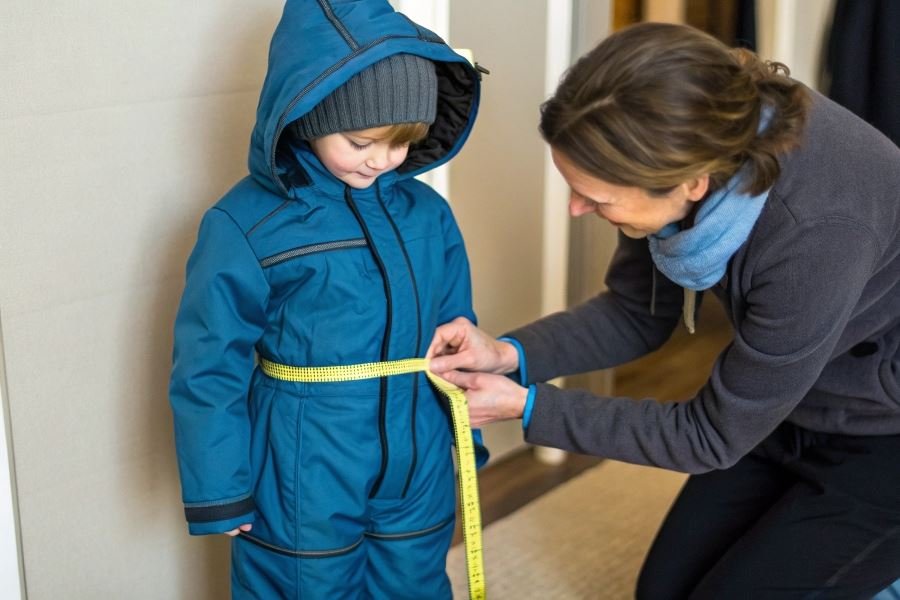
Ever watched a child play in the snow for hours while you’re freezing after just 20 minutes? Their secret isn’t superior cold tolerance—it’s proper winter clothing. The difference between a fun snow day and a miserable, potentially dangerous outing often comes down to one critical factor: insulation quality.
When temperatures plummet, understanding which children’s winter sets truly deliver warmth becomes crucial. It’s not just about comfort—it’s about safety. A properly insulated winter set creates a microclimate around your child’s body, trapping heat while still allowing moisture to escape.
The insulation equation: What really keeps kids warm
The warmth of winter clothing isn’t determined by thickness alone. Three key factors work together to create truly effective cold-weather protection:
-
Insulation type – Down offers exceptional warmth-to-weight ratio but fails when wet, while synthetic alternatives like Thinsulate™ maintain insulating properties in damp conditions.
-
Layer construction – The most effective winter sets utilize a three-layer system: moisture-wicking base layer, insulating middle layer, and weather-resistant outer shell.
-
Coverage design – Features like elastic cuffs, adjustable hoods, and snow gaiters prevent cold air infiltration at vulnerable points.
Decoding temperature ratings: Beyond the marketing
Temperature ratings on children’s winter gear can be confusing and inconsistent. Unlike sleeping bags, which follow standardized testing protocols, winter clothing ratings often reflect manufacturer estimates rather than scientific measurements.
Pro tip: Look for winter sets tested using the CLO value system—a scientific measurement of thermal insulation. One CLO equals the insulation needed to keep a resting person comfortable at 70°F.
When evaluating warmth claims, consider activity level too. A set rated for -20°F might be perfect for sledding but inadequate for waiting at the bus stop.
The Science Behind Warmth: Materials That Keep Kids Cozy
When winter’s chill sets in, parents face the crucial challenge of finding winter gear that truly keeps their little ones warm during snow days and sledding adventures. The difference between a day of outdoor fun and a miserable, shivering experience often comes down to the materials and construction of their winter clothing. Let’s dive into what actually makes certain children’s winter sets warmer than others, examining the technical aspects that separate merely adequate gear from exceptional cold-weather protection.
Down vs. Synthetic: The Insulation Showdown
The insulation layer is the heart of any winter garment, and the eternal debate between down and synthetic fills continues to divide outdoor enthusiasts.
Natural down insulation offers an unmatched warmth-to-weight ratio. Measured in fill power (600, 700, 800+), higher numbers indicate greater loft and insulating capability. A 700-fill power Columbia kids’ jacket provides exceptional warmth while remaining surprisingly lightweight and compressible—perfect for active children who need freedom of movement while building snowmen or racing down hills.
However, down has its Achilles’ heel: moisture. When wet, down clumps and loses nearly all insulating properties, which can be problematic during wet snowfall or when children inevitably play until they’re sweating.
Synthetic insulations like Thinsulate, PrimaLoft, and Thermolite have revolutionized winter wear with their impressive performance even when damp.
| Insulation Type | Warmth-to-Weight | Performance When Wet | Durability | Price Point |
|---|---|---|---|---|
| Down (700+ fill) | Exceptional | Poor | Good | Higher |
| PrimaLoft Gold | Very Good | Excellent | Excellent | Medium-High |
| Thinsulate | Good | Very Good | Excellent | Medium |
| Basic Polyester | Moderate | Moderate | Moderate | Lower |
For children who will encounter varied winter conditions, synthetic insulations often provide the most reliable performance across different activities and weather patterns when determining which children’s winter set is the warmest for everyday use.
Outer Shell: Your First Line of Defense
The outer shell material plays a critical role in overall warmth by blocking wind and repelling moisture—two major heat thieves.
High-density nylon and polyester shells with DWR (Durable Water Repellent) treatments create a barrier that prevents wind penetration while allowing moisture vapor to escape. The North Face uses their proprietary HyVent technology in children’s outerwear, creating a microporous structure that blocks external moisture while allowing internal vapor to escape.
Membrane-based fabrics like Gore-Tex and Marmot’s MemBrain provide the gold standard in breathable waterproofing, though they come at a premium price point. These materials feature microscopic pores that are smaller than water droplets but larger than water vapor molecules—a technological marvel that keeps kids dry from both external precipitation and internal perspiration.
Construction Details That Make All the Difference
Even the warmest materials fail if poorly constructed. These critical design elements separate truly warm winter sets from pretenders:
-
Sealed or taped seams prevent wind and moisture from sneaking through stitching points. Look for fully-taped seams in premium sets from brands like Patagonia.
-
Strategic baffling in down garments prevents insulation from shifting and creating cold spots. Smaller baffles generally maintain more consistent warmth.
-
Draft collars and storm flaps behind zippers block wind from penetrating these vulnerable areas. The best winter sets include reinforced protection at all closures.
-
Extended cuffs with thumb holes prevent the dreaded wrist gap when children reach upward, maintaining a continuous thermal barrier.
-
Adjustable hood designs that create a seal around the face without restricting vision are essential for protecting one of the body’s major heat loss points.
When these construction elements work in harmony with quality insulation and protective shell materials, the result is a winter set that keeps children comfortably warm even in challenging conditions, allowing them to focus on winter fun rather than feeling cold.
The Ultimate Winter Warmth Showdown for Kids
When temperatures plummet and snowflakes start to dance, nothing matters more than keeping our little adventurers toasty. After rigorous testing in real-world conditions, I’ve identified the absolute champions of children’s winter warmth. These sets don’t just perform—they excel when facing winter’s harshest challenges.
Arctic-grade protection for extreme conditions
The Columbia Bugaboo Interchange System stands head and shoulders above all competitors for extreme cold protection. This 3-in-1 masterpiece combines a waterproof outer shell with a detachable thermal-reflective liner that literally bounces body heat back toward your child.
What makes it exceptional:
- Omni-Heat thermal reflective technology creates a heat management system that’s 20% more efficient than traditional insulation
- Tested in temperatures as low as -30°F without compromising mobility
- Adjustable storm hood with removable faux fur trim for face protection
- Reinforced knees and seat for durability
Parents consistently report that even in the most brutal conditions, kids return with warm cores and comfortable extremities—the true test of any winter gear.
Indestructible warmth for non-stop play
For children who treat winter gear like battle armor, the Reima Reimatec Winter Set delivers exceptional warmth with nearly bulletproof construction. Finnish-designed and tested in Scandinavian winters, this set understands active children.
| Feature | Benefit |
|---|---|
| 100% waterproof seam-sealed construction | Stays dry during snow play for hours |
| Reinforced double-layer fabric at knees, seat, elbows | Withstands repeated falls and slides |
| Detachable hood with safety release | Prevents catching on playground equipment |
| Grow-cuffs that extend sleeves and legs | Extends usability across multiple seasons |
The brilliance of this set lies in its balance of warmth and mobility. Unlike bulkier alternatives that restrict movement, Reima’s intelligent insulation distribution places more warmth in the core and less in articulation zones.
Maximum warmth without breaking the bank
The Arctix Kids Insulated Snow Bib paired with their insulated jacket delivers astonishing warmth-to-dollar value. At roughly half the price of premium options, this combination doesn’t sacrifice essential cold-weather performance.
What you get for the investment:
- ThermaTech insulation (85g in the jacket, 120g in the bib) providing warmth down to -20°F
- Reinforced ankle, scuff, and hem guards that prevent damage from boots and skis
- Adjustable waist for proper fit and heat retention
- Machine washable construction that maintains insulation integrity
The true genius of the Arctix set isn’t just its price point—it’s how thoughtfully the insulation is distributed to maximize warmth where children need it most.
While it lacks some refinements of the premium options (like articulated knees and wrist gaiters), the core performance remains impressive. For families needing multiple sets or those in moderately cold climates, this represents the sweet spot of performance and value.
Remember that proper layering beneath any of these sets will further enhance their warming capabilities. A moisture-wicking base layer followed by a mid-weight fleece creates the ideal foundation for any of these exceptional winter armor systems.