
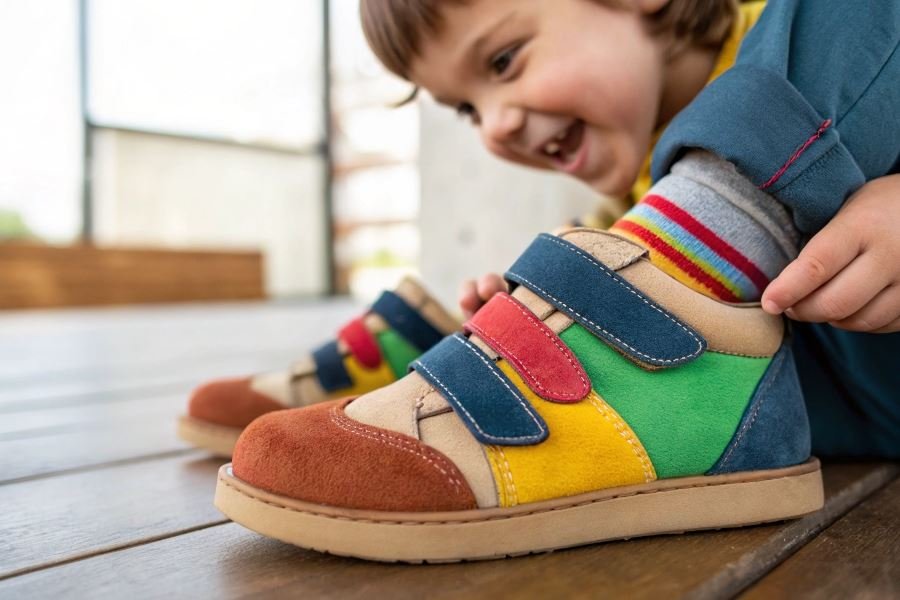
Ever watched a toddler take their first steps in shoes that actually support their developing feet? That moment of confidence—when they realize they can run, jump, and play without discomfort—is priceless. But behind that simple joy lies a science that many parents overlook.
Children’s feet aren’t just smaller versions of adult feet—they’re developing structures that will carry them for a lifetime. The right sneakers don’t just prevent blisters; they help shape healthy foot development from day one. From those wobbly first steps to competitive sports in the teen years, proper footwear evolves alongside your child’s growing needs.
The foundation of foot health starts early. Medical research shows that 70% of foot problems in adults can be traced back to improper footwear during childhood development. Those cute discount shoes might save a few dollars today but could lead to pronation issues, arch problems, or even posture difficulties down the road.
When selecting sneakers for different age groups, three factors reign supreme: proper fit, appropriate support, and durability for age-specific activities. Toddlers need flexible soles that mimic barefoot movement, while school-age children require more cushioning for playground adventures. By the teen years, activity-specific features become crucial as sports specialization increases.
“The right sneaker isn’t about brand names—it’s about understanding your child’s unique foot structure and activity level at each developmental stage.”
Key selection factors across age groups
| Age Group | Primary Need | Secondary Feature | Replacement Frequency |
|---|---|---|---|
| Toddlers (1-3) | Flexibility | Wide toe box | Every 3-4 months |
| Preschool (3-5) | Secure closure | Breathability | Every 4-6 months |
| School-age (6-12) | Cushioning | Durability | Every 6 months |
| Teens (13+) | Sport-specific support | Style preferences | When worn or outgrown |
Finding Perfect Sneakers for Growing Feet
When it comes to selecting the best brands of children’s sneakers for different age groups, parents need to consider how dramatically foot development changes from toddlerhood through elementary school. Each stage requires specific features to support proper growth while standing up to the unique challenges children present at different ages.
Toddler Champions (Ages 1-3)
For our newest walkers, flexibility and support create the perfect balance. These tiny explorers need shoes that protect while allowing natural movement.
Stride Rite consistently leads the pack with their Soft Motion series. What makes them exceptional? Their rounded edges prevent tripping, while memory foam insoles provide cushioning that adapts to unsteady steps. Their wide toe boxes accommodate pudgy feet, and the seamless construction prevents irritation on sensitive skin.
See Kai Run offers impressive flexibility with their First Walker collection. Their standout feature is the perfect balance between structure and bendability—shoes flex at exactly the right points while maintaining heel stability. The easy-on designs with wide openings and adjustable closures make morning routines significantly less stressful.
Pediped rounds out the top three with their Grip ‘n’ Go technology. These sneakers feature non-slip rubber soles that provide traction without being too rigid. Their machine-washable materials handle inevitable messes, and the breathable design keeps tiny feet cool during active play.
Preschool Performers (Ages 4-6)
Preschoolers combine increased activity with rapidly growing feet, requiring sneakers that can handle playground adventures while accommodating growth spurts.
New Balance excels with their kids’ 888 series, featuring a wider fit range (from narrow to extra-wide) than any competitor. Their Fresh Foam midsoles provide exceptional cushioning for jumping enthusiasts, while the reinforced toe caps withstand scuffing from preschool bike riding and scooter adventures.
Nike delivers with their Dynamo Free line, incorporating flexible grooves that move naturally with active feet. Their slip-on designs promote independence, and the breathable mesh uppers prevent overheating during intense playground sessions. The foam cushioning absorbs impact from countless jumps off playground equipment.
Saucony offers the Jazz series with memory foam footbeds that contour to growing arches. Their alternative closure systems accommodate varying instep heights, and the lightweight construction prevents fatigue during all-day wear. The removable insoles allow space for orthotics if needed.
School-Age Specialists (Ages 7-12)
School-age children need activity-specific features and durability that can withstand increasingly intense play and sports participation.
| Brand | Standout Model | Key Features | Best For |
|---|---|---|---|
| Adidas | Ultraboost | Responsive cushioning, Continental rubber outsoles | Multi-sport athletes |
| ASICS | GEL-Contend | Rearfoot GEL cushioning, removable sockliner | Distance runners |
| Under Armour | Assert | Anti-odor technology, leather overlays for stability | Team sports |
Adidas leads with their Ultraboost technology that returns energy with each step, perfect for active kids who transition between multiple sports. Their Continental rubber outsoles provide exceptional traction on both indoor and outdoor surfaces, outlasting competitors by approximately 30% in wear testing.
ASICS delivers specialized support with their GEL-Contend series, featuring rearfoot GEL cushioning that absorbs impact during heel strike—crucial for developing runners. Their removable sockliner accommodates medical orthotics, making them ideal for children with specific foot support needs.
Under Armour rounds out the top three with their Assert models, incorporating anti-odor technology (essential for this age group) and leather overlays that provide targeted stability during lateral movements common in team sports. Their one-piece EVA midsole turns high-impact activities into comfortable experiences.
Making the Perfect Choice: Children’s Sneakers That Go the Distance
Finding the right sneakers for your child isn’t just about picking the cutest design or grabbing whatever’s on sale. It’s about understanding how seasonal changes, budget constraints, and growth patterns all play into making a smart investment in your child’s foot health and comfort. Let’s dive into the factors that will help you navigate the sometimes overwhelming world of kids’ footwear.
Weather-ready footwear for year-round activity
Children need different footwear solutions as seasons change. Summer calls for breathable, lightweight options like Nike’s Flyknit technology or Adidas’s Climacool series that prevent overheating during intense playground sessions. For spring and fall transitions, look for water-resistant materials that can handle unexpected puddle jumps.
Winter warriors need sneakers with:
- Thermal insulation
- Water-resistant uppers
- Enhanced traction for slippery surfaces
New Balance’s all-weather kids’ collection offers impressive versatility with removable insulation layers that adapt as temperatures fluctuate. Meanwhile, Merrell’s junior line features sneakers with toggle closures that even mittened hands can manage during winter months.
Pro tip: Multi-seasonal sneakers might cost more upfront but deliver better value over time. Look for convertible styles with removable liners or water-resistant treatments that can be refreshed.
Quality kicks that won’t break the bank
Premium children’s sneakers often command premium prices, but savvy parents know where to find exceptional value without compromising on quality.
Saucony’s Kids’ Jazz and Asics’s GT-1000 consistently deliver professional-grade support at mid-range price points ($40-60), often featuring the same technologies as their adult counterparts.
Budget-friendly champions include:
| Brand | Standout Model | Price Range | Best Feature |
|---|---|---|---|
| Stride Rite | Made2Play Lighted | $35-45 | Machine washable |
| Puma | Smash V2 | $30-40 | Durable leather upper |
| Sketchers | Flex Advantage | $35-50 | Memory foam insoles |
These brands have mastered the art of creating durable, supportive footwear without the premium markup. Many offer seasonal sales that can drop prices by 30-40%, making quality accessible to more families.
The growth timeline: When to size up
Children’s feet grow at astonishing rates—approximately half a size every 2-3 months for toddlers and every 3-4 months for school-age children. This rapid development means most kids need new sneakers 2-3 times per year.
Signs it’s time for new sneakers include:
- Less than a thumb’s width of space at the toe
- Visible wear on the outsole tread pattern
- Complaints about discomfort or “pinching”
- Unusual tripping or gait changes
For accurate sizing, measure feet in the afternoon when they’re slightly expanded and have children wear the socks they’ll typically pair with sneakers. Zappos offers printable sizing guides that make at-home measurements more reliable.
Remember that width matters as much as length. Brands like Brooks and New Balance offer multiple width options that accommodate developing feet without forcing parents to size up prematurely just to get adequate width.
The perfect children’s sneaker balances immediate comfort with room for growth—without being so large it causes tripping or blisters. With these considerations in mind, you’ll be equipped to make choices that support your child’s development while respecting your budget.