
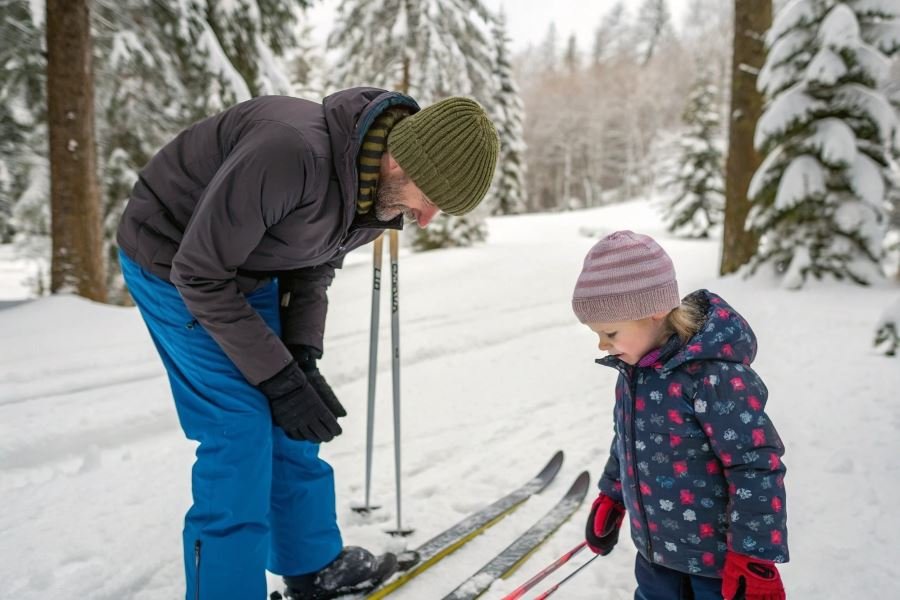
Picture this: A child gliding effortlessly across pristine snow, cheeks flushed with excitement, developing strength and balance with every stride. This isn’t just a winter activity—it’s a foundation for lifelong fitness and outdoor appreciation.
Selecting the perfect cross-country skis for your young adventurer isn’t merely about equipment—it’s about unlocking a world of winter wonder while ensuring their safety and enjoyment on the snow. The right skis can transform a potentially frustrating experience into a passion that lasts decades.
Safety first, fun always
When children use properly fitted cross-country skis, they experience better balance and control, dramatically reducing fall risks. Skis that match a child’s weight, height, and skill level create that crucial sweet spot where learning happens naturally.
“The foundation of a lifetime love for winter sports begins with equipment that builds confidence rather than creates frustration.”
What truly matters in the selection process
Several key factors determine the perfect ski match:
- Size and weight considerations – Unlike adult skis, children’s models must precisely match developing bodies
- Skill level compatibility – Beginners need forgiving designs that promote stability
- Growth accommodation – Finding the balance between current fit and room to grow
Physical development goldmine
Cross-country skiing delivers extraordinary developmental benefits for growing bodies. This full-body workout strengthens core muscles, improves cardiovascular health, and enhances coordination in ways few other activities can match. Research shows children who regularly cross-country ski develop superior balance and proprioception—body awareness skills that transfer to virtually every other physical activity.
The journey to finding perfect children’s cross-country skis begins with understanding these fundamentals—setting the stage for winter adventures that build both memories and muscles.
Physical Factors That Make or Break Kids’ Ski Selection
Finding the perfect cross-country skis for your young snow enthusiast isn’t just about picking the brightest colors or matching their favorite winter jacket. The science behind children’s cross-country skis: selection criteria revolves around physical considerations that directly impact performance, safety, and enjoyment on the trails. Let’s dive into the measurements and specifications that truly matter when outfitting your future champion.
The Size-Weight Equation That Works
When selecting cross-country skis for children, the traditional “skis to chin” measurement is merely the starting point. The reality is more nuanced:
| Age Group | Height-to-Ski Ratio | Weight Consideration |
|---|---|---|
| 3-5 years | Skis 10-20cm shorter than height | Primarily height-based |
| 6-9 years | Skis 5-10cm shorter than height | 50% height / 50% weight |
| 10-13 years | Skis equal to height or 5cm shorter | Weight becomes dominant factor |
Weight distribution becomes increasingly important as children develop. A 45-pound child needs significantly different flex characteristics than a 75-pound child of the same height. Fischer and Rossignol both offer junior-specific models with flex patterns engineered for lighter frames.
Skill Assessment: Matching Equipment to Ability
The progression of skiing ability follows a predictable pattern, but equipment needs change dramatically at each stage:
- First-timers: Prioritize stability with wider, shorter skis (typically 15cm shorter than height)
- Developing skiers: Transition to proper-length skis with moderate camber
- Advancing technique: Equipment begins to mirror adult specifications with appropriate flex
A child who has mastered basic gliding and stopping will benefit from skis that offer more glide and less drag, while beginners need maximum control and forgiveness. Salomon offers the XC Jr line with progressive designs that evolve with skill development.
Growth-Proofing Your Investment
Children grow rapidly, but that doesn’t mean you need new skis every season. Strategic selection can extend equipment lifespan:
- Adjustable binding systems like the Rottefella NNN Jr allow for boot size changes without remounting
- Size up slightly (no more than 5cm) for beginners who are in growth spurts
- Consider camber carefully – less aggressive camber works across wider weight ranges
The most growth-accommodating approach combines slightly longer skis with adjustable poles and bindings. This system can often extend usability by 1-2 seasons, particularly for children between 7-10 years old when growth tends to be more predictable.
Remember that properly fitted equipment directly translates to skill development. A child struggling with oversized equipment will develop poor technique habits that can take years to correct. Conversely, equipment that’s too small limits performance and can create frustration just as skills are advancing.
By focusing on these physical considerations rather than marketing claims, you’ll select cross-country skis that grow with your child’s abilities, maximize enjoyment, and provide the foundation for a lifetime of Nordic skiing adventures.
The Technical Edge in Youth Nordic Skiing
Material Magic: What’s Inside Matters
When it comes to children’s cross-country skis, construction materials aren’t just technical specifications—they’re the difference between frustration and flow on the snow. Modern youth skis have evolved dramatically from the wooden planks of yesteryear.
Today’s premium junior skis feature composite cores that balance weight and performance. Fischer and Rossignol lead with Air Core technology—lightweight wood cores reinforced with carbon fiber channels that reduce weight by up to 25% compared to traditional constructions while maintaining stability.
The base material is equally crucial. Sintered bases found on advanced junior models from Salomon absorb wax better and offer superior glide in varied conditions. Meanwhile, extruded bases on entry-level models require less maintenance—perfect for growing skiers who might not yet appreciate the ritual of waxing.
The difference in performance is tangible: sintered bases can improve glide efficiency by up to 15% in cold conditions, translating to less effort and more enjoyment for young skiers.
Binding Systems That Grow With Skills
Binding technology for youth cross-country skis has seen remarkable innovation, with systems designed specifically for different developmental stages.
| Age Group | Recommended Binding Type | Key Benefits |
|---|---|---|
| 5-8 years | NNN First Step | Tool-free adjustment, simplified entry/exit |
| 9-12 years | NNN Jr or Prolink Jr | Increased stability, moderate power transfer |
| 13+ years | Adult NNN/Prolink | Full performance, proper technique development |
The Rottefella NNN (New Nordic Norm) system dominates the market with its versatility. For beginners, the step-in simplicity reduces frustration, while the adjustable tension in advanced youth models allows the binding to adapt as technique improves.
Salomon Prolink Jr bindings offer tool-free adjustment ranges of up to 15mm—critical for accommodating growth spurts without purchasing new equipment every season. This can save parents $80-150 annually in replacement costs.
Durability Decisions and Maintenance Mindset
Advanced junior skis require a maintenance approach that balances performance with practicality. The edge durability in models like the Madshus Nano Jr features reinforced sidewalls that withstand the inevitable crashes and improper storage that characterize youth skiing.
Maintenance requirements vary significantly based on construction:
Cap construction skis (where the top sheet wraps around the edges) offer:
- Reduced edge damage vulnerability
- Simplified cleaning (just wipe down after use)
- 30% fewer edge repairs over a three-season lifespan
Sidewall construction skis deliver superior performance but demand:
- Regular edge inspection for burrs
- Proper storage in ski bags to prevent damage
- Seasonal base repairs for optimal performance
Smart maintenance extends ski life by 2-3 seasons, turning what could be a yearly $200+ investment into equipment that grows with your child’s abilities.
The most overlooked maintenance factor? Base hydration. Youth skis stored in heated garages or forgotten in car trunks develop dry bases that absorb moisture and slow performance. A simple monthly application of storage wax prevents this deterioration and maintains glide performance throughout multiple seasons.