
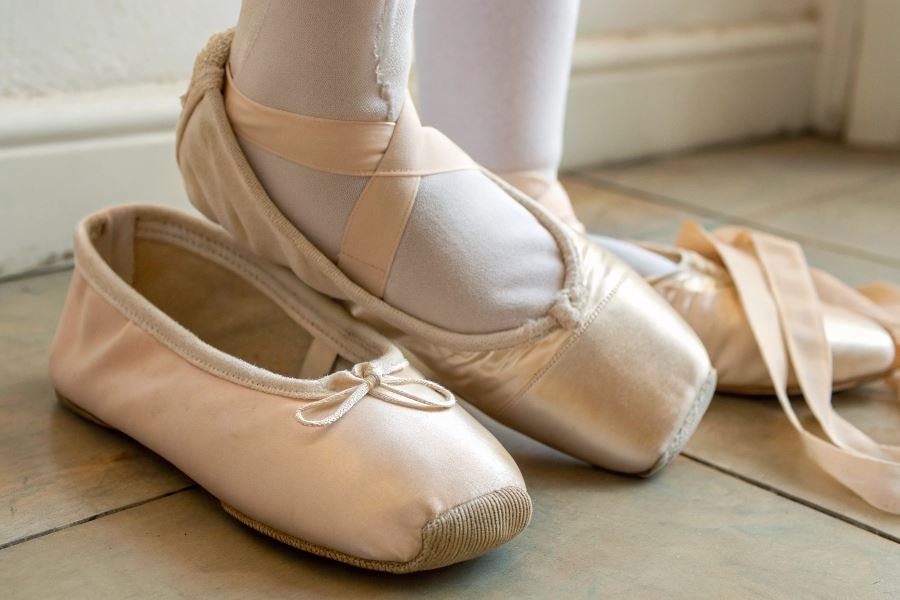
That magical moment when your young dancer takes a significant step forward in their ballet journey…
Watching your child progress from basic ballet positions to more advanced techniques is thrilling. One of the most significant transitions happens when they’re ready for their first pair of half-pointe shoes. This isn’t just about new footwear—it’s a milestone that marks real technical advancement and opens doors to new expressive possibilities.
When is your dancer truly ready?
Most ballet instructors recommend children master at least 2-3 years of consistent training before considering half-pointe shoes. The critical factor isn’t age but physical readiness. Your child should demonstrate:
- Strong ankle stability
- Proper alignment through relevés
- Consistent technical form
- Adequate foot strength
“Half-pointe shoes aren’t simply the next purchase in a dancer’s journey—they’re earned through dedication and physical preparation,” explains many experienced ballet instructors.
Beyond ballet slippers: What makes half-pointes different
Half-pointe shoes represent the middle ground between soft ballet slippers and full pointe shoes. Unlike regular ballet slippers, half-pointes feature:
| Feature | Ballet Slippers | Half-Pointe Shoes |
|---|---|---|
| Structure | Minimal support | Reinforced box and shank |
| Purpose | Basic movement | Strengthening and technique |
| Sole | Single leather/suede | Split-sole with padding |
| Ankle support | None | Moderate |
The structured box helps young dancers experience the sensation of dancing on the balls of their feet while providing crucial support that full pointe shoes would later offer. This intermediate step builds essential strength while protecting developing feet from potential injury.
Finding the Perfect First Half-Pointe Shoes
The transition to half-pointe shoes represents a pivotal milestone in a young dancer’s journey. Selecting the right pair isn’t just about aesthetics—it’s about safeguarding developing technique and preventing potential injuries. When parents approach the process of how to choose the first half-pointe shoes for a child, they’re navigating a decision that balances current needs with future development.
The Foundation: Proper Sizing for Growing Feet
Finding the perfect fit for half-pointe shoes requires precision that accounts for both current comfort and inevitable growth. Unlike street shoes, half-pointes shouldn’t include a “growing room” allowance.
The ideal fit should:
- Feel snug without pinching
- Allow toes to lie flat (not curled)
- Provide approximately 1/4 inch of space beyond the longest toe
- Hug the heel without slipping
Remember that different brands follow distinct sizing conventions. Capezio shoes often run smaller than Bloch or Russian Pointe models. Have your child’s feet professionally measured at a specialty dance shop where staff understand the nuances of dance footwear.
Material Matters: Construction Quality for Safety
The materials and construction of half-pointe shoes directly impact both performance and protection. Young dancers need support that complements their developing strength.
| Material | Benefits | Best For |
|---|---|---|
| Canvas | Breathable, molds to foot, shows line | Beginners, summer training |
| Leather | Durable, provides stability, longer-lasting | Year-round training, stronger dancers |
| Microfiber | Combines breathability with durability | Dancers with sensitivities, versatile use |
The satin exterior found on many half-pointes isn’t just for aesthetics—it provides the right amount of slip on studio floors. However, the interior lining deserves equal attention. Moisture-wicking materials prevent blisters during those long rehearsals.
Construction red flags to avoid:
- Visible glue seepage at attachment points
- Uneven stitching along the binding
- Flimsy elastic that loses tension quickly
- Inconsistent sole thickness
Finding the Right Resistance: Shank Stiffness
The shank—that supportive spine running along the sole—requires particular attention for first-time half-pointe wearers. Too stiff, and your child will struggle to achieve proper foot articulation; too soft, and they’ll miss crucial strength-building opportunities.
Most manufacturers offer shanks in varying stiffness levels:
- Flexible (Recommended for beginners): Allows for easier demi-pointe while building foot muscles
- Medium: Provides balanced support as technique develops
- Firm: Reserved for advanced dancers with established foot strength
Young dancers should start with flexible to medium shanks that offer enough resistance to build strength without overwhelming developing muscles. Their teacher can provide specific guidance based on individual foot structure and technical readiness.
The pre-arched design found in brands like Grishko can help beginners find proper placement, while the flatter profile of traditional models might better serve dancers with naturally high arches.
When testing shoes, have your child relevé through demi-pointe to full pointe. The shoe should create a smooth, continuous curve without buckling or creating pressure points. This simple test reveals volumes about whether the shoe will support proper technique development.
Sealing the Deal on Your Child’s First Half-Pointe Shoes
The journey to selecting your child’s first half-pointe shoes is nearly complete, but these final steps are absolutely crucial. The right decision now sets the foundation for your young dancer’s progression and safety as they advance toward this exciting milestone.
Professional fitting is non-negotiable
Nothing—and I mean nothing—replaces a professional fitting for half-pointe shoes. Even experienced dancers rely on the expertise of specialized fitters who understand the nuances of different brands, models, and foot types.
75% of dance injuries can be prevented with properly fitted shoes, according to research from the International Association for Dance Medicine and Science. This isn’t just about comfort—it’s about your child’s long-term development and safety.
When visiting a dance retailer, bring along:
- The tights your child will wear for class
- Any orthotic inserts they normally use
- Their current ballet slippers for comparison
The fitter should watch your child relevé (rise to demi-pointe), plié, and perform basic movements to assess how the shoes respond to their unique foot structure.
Your child’s dance teacher must approve the final selection. Many studios have specific requirements regarding brand, style, or features. Some teachers prefer to attend the fitting, while others will examine the shoes at the next class before your child wears them.
Breaking in and maintenance matters
Half-pointe shoes require proper breaking in—but unlike pointe shoes, the process is gentler and less intensive.
Breaking in protocol:
- Bend the shoe gently at the arch several times
- Have your dancer wear them around the house (on clean surfaces only) for 15-20 minutes daily
- Apply light pressure to soften the shank according to teacher recommendations
Maintenance extends the life of these investment pieces:
| Maintenance Task | Frequency | Notes |
|---|---|---|
| Air out after use | After every class | Never store in dance bag |
| Spot clean | As needed | Damp cloth with mild soap |
| Disinfect | Weekly | Dance shoe spray only |
| Check elastics/ribbons | Monthly | Repair at first sign of wear |
Never machine wash half-pointe shoes—this damages the structure and compromises the support they provide.
Recognizing replacement time
Even the highest quality half-pointe shoes eventually need replacement. Be vigilant for these telltale signs:
- Visible breakdown of the shank – When the shoe no longer provides adequate support during relevés
- Significant softening – The shoe fails to maintain its shape when not being worn
- Worn satin – Particularly at the platform or toe area
- Growth spurt – Children’s feet can grow rapidly, necessitating new sizing
- Teacher recommendation – Trust their expertise when they suggest it’s time
Most young dancers need new half-pointe shoes every 3-6 months depending on frequency of use, foot growth, and intensity of training. Budget accordingly—this is an ongoing investment in your dancer’s development.
Remember that transitioning to half-pointe shoes represents a significant milestone in your child’s dance journey. The care you take in selection, maintenance, and timely replacement demonstrates your commitment to supporting their passion safely and effectively.