
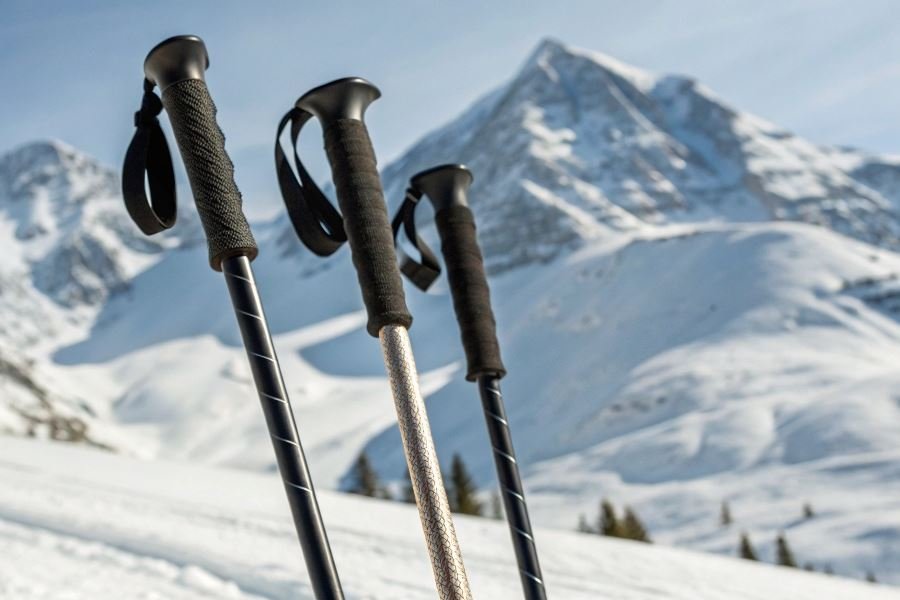
Ever watched an elite cross-country skier power through fresh powder with seemingly effortless rhythm? That magic isn’t just technique—it’s equipment synergy, with poles playing a crucial yet often underappreciated role in the performance equation.
When you’re pushing through kilometer after kilometer of varied terrain, your poles become an extension of your body. They’re not just sticks; they’re power transmitters, balance keepers, and rhythm setters. The difference between average and exceptional poles can translate to minutes saved over a long course and significantly reduced fatigue.
The performance equation: What makes a pole exceptional
The world’s leading cross-country ski pole manufacturers have been engaged in a high-stakes materials race, pushing boundaries with carbon fiber composites that deliver the perfect balance of stiffness, weight, and durability. When evaluating top-tier manufacturers, savvy skiers consider:
- Shaft composition: Premium carbon fiber percentage directly impacts power transfer
- Weight distribution: Balance point affects swing weight and technique efficiency
- Grip ergonomics: Hand-to-pole interface determines comfort during extended sessions
- Basket design: Snow interaction affects stability and propulsion
Today’s premium pole landscape
The premium cross-country ski pole market has evolved dramatically, with specialized designs for classic technique, skating style, and all-around versatility. Top manufacturers have developed signature technologies addressing specific performance aspects—from vibration dampening systems to temperature-adaptive materials.
While dozens of companies produce ski poles, three manufacturers consistently dominate podiums at World Cup events and earn devotion from recreational enthusiasts alike through their relentless innovation and quality control standards.
The Elite Trio: Mastering the Art of Cross-Country Ski Pole Craftsmanship
When it comes to cross-country skiing, your poles aren’t just accessories—they’re extensions of your body, critical power transfer tools that can make or break your performance on the trails. The industry’s leading manufacturers have spent decades perfecting the delicate balance between weight, stiffness, swing weight, and durability. Let’s dive into what makes each of these engineering marvels unique.
The cross-country ski pole market is dominated by three powerhouse manufacturers who consistently push the boundaries of what’s possible in pole technology. Swix, Fischer, and Leki have established themselves as the top 3 manufacturers of cross-country ski poles through relentless innovation and unwavering commitment to quality. Each brings their distinct national engineering philosophy to the table, resulting in products that serious skiers can instantly recognize by feel alone.
Swix: Norwegian Heritage Meets Cutting-Edge Science
Norway’s Swix has been synonymous with cross-country skiing excellence since 1946. Born in the cradle of Nordic skiing, Swix combines deep cultural understanding with scientific precision.
Their flagship Triac 4.0 represents the pinnacle of pole engineering—featuring a proprietary carbon layup that delivers an astonishing 96% carbon content. This translates to poles weighing just 155 grams in a 155cm length while maintaining exceptional stiffness ratings.
What sets Swix apart:
- Pendulum technology that optimizes swing weight
- TBS (Tension Balance System) straps that provide perfect power transfer
- Pro Fit 3D grip designs based on biomechanical research
Swix’s innovation extends to their basket technology, with the Swix TrueFlexTM system adapting to varying snow conditions without requiring basket changes mid-session.
Fischer: Austrian Engineering Precision
Fischer brings their legendary Austrian engineering prowess to cross-country pole design with remarkable results. Their RC7 Carbon and Speedmax lines showcase their mastery of composite materials.
Fischer’s material scientists have developed proprietary carbon weaves that deliver 20% more stiffness than standard carbon fiber at the same weight.
Fischer poles feature:
| Feature | Benefit |
|---|---|
| Air Carbon Technology | Reduces weight while maintaining structural integrity |
| Race Pro G5 Strap System | Optimizes power transfer with minimal hand fatigue |
| Aeroshape Design | Reduces air resistance during the swing phase |
Their innovative basket designs, particularly the 97 Aero and Race Pro models, provide exceptional snow penetration in varying conditions while minimizing drag when pulling the pole out of deep snow.
Leki: German Precision Engineering and Ergonomic Mastery
Leki approaches pole design with characteristic German attention to detail, particularly excelling in grip ergonomics and strap systems. Their Shark system revolutionized quick-release technology for racing.
Leki’s standout innovations include:
Trigger Shark 2.0 System – Allows instant pole release and reconnection without removing gloves—critical for competitive skiers in mass starts.
Ergonomic Grip Architecture – Developed through extensive hand mapping studies to reduce fatigue during long sessions.
HTS (High Tensile Strength) Carbon – Proprietary carbon layup that withstands 30% more stress than standard carbon before failure.
Leki’s durability standards are legendary among serious skiers. Their poles undergo rigorous testing including:
- 10,000 cycle flex testing
- -30°C cold chamber impact resistance tests
- Simulated race condition stress testing
Each manufacturer brings unique strengths to the table, whether it’s Swix’s deep Nordic heritage, Fischer’s material science breakthroughs, or Leki’s ergonomic innovations. For the dedicated cross-country skier, choosing between these three exceptional brands often comes down to personal preference and specific performance needs on the snow.
Making the Perfect Match: Your Ultimate Cross-Country Ski Pole Decision Guide
Value proposition breakdown across the big three
When comparing the industry titans—Swix, Fischer, and Leki—understanding their value propositions becomes crucial for your investment. Swix poles typically range from 80−250, offering a 2-year warranty on most models and exceptional durability in harsh conditions. Fischer positions itself in the 90−280 range with a competitive 3-year warranty and emphasis on lightweight performance. Leki commands premium prices between 100−300 but backs their products with an impressive 5-year warranty on high-end models.
Price isn’t everything—warranty coverage often reflects a manufacturer’s confidence in their product. Leki’s extended warranty represents significant value despite higher initial costs, potentially saving hundreds over multiple seasons.
| Manufacturer | Price Range | Warranty | Standout Value |
|---|---|---|---|
| Swix | 80−250 | 2 years | Durability in extreme cold |
| Fischer | 90−280 | 3 years | Weight-to-strength ratio |
| Leki | 100−300 | 5 years | Ergonomic grip technology |
Matching poles to your skiing personality
Your skiing style should dictate your pole choice more than brand loyalty. For recreational skiers enjoying weekend outings, Swix’s mid-range aluminum options provide reliability without breaking the bank. Their consistent performance and reasonable price point make them the Toyota Camry of ski poles—dependable and practical.
Competition-focused skaters should gravitate toward Fischer’s carbon-composite offerings. Their exceptional stiffness-to-weight ratio translates to more efficient power transfer with each plant and push—critical when seconds matter.
Backcountry adventurers and touring enthusiasts will find their match in Leki’s adjustable-length models. The ability to modify pole length for varying terrain combined with their renowned grip comfort makes long days more manageable.
For beginners still developing technique, Swix’s entry-level options provide forgiving performance. Advanced skiers will appreciate the nuanced differences in Fischer’s high-end racing poles, while those battling previous wrist or elbow injuries might find Leki’s ergonomic grip designs genuinely game-changing.
Tomorrow’s poles taking shape today
The cross-country pole landscape continues evolving with exciting developments on the horizon. Sustainable manufacturing processes are gaining momentum, with Fischer leading the charge using recycled carbon fiber in select models. This trend will likely expand across all manufacturers as environmental consciousness grows.
Smart technology integration is emerging as the next frontier. Prototype poles with embedded sensors measuring plant force, angle, and timing are already being tested by elite athletes. While currently prohibitively expensive, expect these features to reach consumer models within the next few years.
Material science breakthroughs continue pushing boundaries. New carbon-nanotube reinforced composites promise to reduce pole weight by up to 15% while maintaining or improving stiffness—technology Swix has already begun incorporating into their racing line.
The grip revolution continues with biomechanically optimized designs. Leki’s research into pressure distribution across the hand during the poling motion has yielded grips that reduce fatigue and increase comfort during extended sessions.
The perfect poles await you among these top manufacturers—each offering distinct advantages depending on your specific needs, skiing style, and budget. By matching your requirements to manufacturer strengths, you’ll find equipment that enhances your cross-country experience for seasons to come.