
Ever caught yourself wincing at the sight of a boxer’s gloves disintegrating mid-fight? That split-second material failure isn’t just equipment breakdown—it’s the difference between victory and injury.
Behind every powerful punch lies an intricate science of materials that can make or break a fighter’s performance. Combat sports gloves aren’t just padding—they’re sophisticated protective systems where material selection determines everything from knuckle protection to wrist stability. The right materials create the perfect balance of impact absorption, durability, and tactile feedback that fighters depend on when milliseconds matter.
Combat glove technology has come remarkably far from the primitive leather wraps used in ancient Greece. The early 20th century saw the standardization of horsehair-padded leather gloves, while the 1970s introduced synthetic foams that revolutionized protection. Today’s premium gloves feature multi-density foams, microfiber exteriors, and moisture-wicking liners that would seem like science fiction to fighters of previous generations.
The material evolution reflects a deeper understanding: different combat sports demand different material properties. MMA fighters need flexibility and grip, boxers require superior impact absorption, and Muay Thai practitioners demand reinforced wrist support. This isn’t just equipment—it’s specialized armor designed for specific battle conditions.
“The material of your gloves is the unsung hero of your performance. It’s the silent partner that protects your greatest assets—your hands.”
Understanding these materials isn’t just for equipment manufacturers—it’s essential knowledge for anyone serious about combat sports performance and longevity.
The Science of Punch Protection: Combat Glove Materials Decoded
When your fist connects with a heavy bag or an opponent’s guard, what stands between your knuckles and potential injury? The answer lies in the sophisticated engineering of modern combat sports gloves. Materials for combat sports gloves: what to choose for durability isn’t just about finding something tough—it’s about understanding the perfect balance between protection, performance, and longevity.
Leather: The Timeless Defender
The exterior shell of your gloves determines their lifespan and feel against targets. Let’s break down your options:
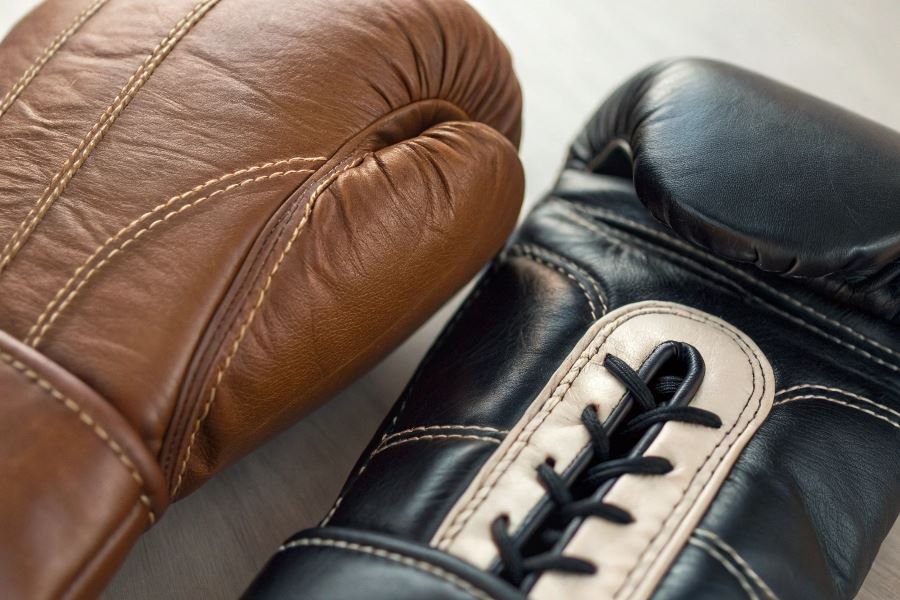
Full-grain leather reigns supreme in professional circles. Derived from the top layer of cowhide with its natural grain intact, these gloves offer unmatched durability and develop a personalized patina over time. Cleto Reyes gloves, favored by many boxing champions, showcase this material’s exceptional 2-3 year lifespan under heavy use.
Top-grain leather provides an excellent middle-ground option. While slightly thinner than full-grain (the natural imperfections are sanded away), it maintains impressive durability while offering greater flexibility out of the box. This translates to reduced break-in time without significant durability compromise.
Synthetic leather (particularly polyurethane) has evolved dramatically. Modern synthetics from brands like Hayabusa offer remarkable durability at lower price points, with some premium synthetic gloves matching genuine leather’s performance. The key advantage: consistent performance in humid environments where natural leather might deteriorate.
| Leather Type | Durability Rating | Break-in Period | Price Range |
|---|---|---|---|
| Full-grain | 9/10 | 2-3 weeks | $−$$$ |
| Top-grain | 7/10 | 1-2 weeks | −$$ |
| Synthetic | 5-8/10 | Minimal | −$$ |
Foam Technologies: The Invisible Heroes
The padding system determines both protection and feel—critical factors for different combat sports applications:
Open-cell foam compresses easily, offering excellent feedback and “feel” for technical strikers. This traditional material absorbs impact through compression but may flatten over time, particularly in lower-quality gloves.
Closed-cell foam provides superior durability and consistent protection. The non-porous structure prevents moisture absorption and maintains shape longer. Many modern gloves use this as the outer layer of multi-density systems.
Multi-density foam represents the gold standard in current glove technology. By layering different foam densities—typically firmer on the outside, softer against the hand—manufacturers create progressive resistance that disperses impact forces more effectively. Winning gloves, considered the pinnacle of boxing protection, utilize proprietary multi-density systems that maintain their protective qualities for years.
Specialized Materials: Task-Specific Performers
Beyond the primary components, specialized materials enhance performance for specific combat applications:
Microfiber linings wick moisture away from hands, reducing bacteria growth and extending glove life. This seemingly small detail makes a massive difference in training longevity.
Mesh panels strategically placed on the palm side improve breathability without compromising structural integrity. Critical for MMA and grappling-heavy training where hand temperature regulation affects performance.
Neoprene components offer water resistance and flexibility in hybrid gloves. Particularly valuable in MMA gloves where grappling dexterity must coexist with striking protection.
The ideal glove material combination depends on your specific combat sport, training frequency, and budget. For pure boxing with heavy bag work, full-grain leather with multi-density foam provides unmatched durability. For MMA or cross-training, synthetic leather with strategic mesh panels might better serve your versatility needs.
Remember: investing in quality materials upfront typically delivers better value through extended glove life and superior protection for your most valuable training tools—your hands.
Choosing the Right Glove Material for Combat Sports Longevity
When you’re throwing hundreds of punches in training, the material between your fist and the target makes all the difference. The right combat sports gloves don’t just protect your hands—they become an extension of your fighting style. Let’s break down how to select materials that will go the distance.
Sport-specific material selection matters
Different combat sports demand different glove materials. For boxing, where precision and protection during high-impact punches is paramount, full-grain leather remains the gold standard. The natural fibers in genuine leather distribute force more effectively than synthetic alternatives, particularly important when you’re throwing power shots.
For MMA practitioners, the material equation changes dramatically. The need for grappling flexibility alongside striking protection makes lightweight synthetic leather or microfiber composites ideal. These materials offer the crucial balance between durability and the dexterity needed for submissions.
Muay Thai fighters benefit from materials with reinforced knuckle padding and extended wrist support. Premium Thai brands often use a combination of leather exterior with multi-layered foam composites that can withstand the brutal impact of elbow strikes and clinch work.
Material wisdom: Match your glove material to your primary fighting style. Cross-training athletes should prioritize the material requirements of their dominant discipline.
Maintenance extends material lifespan
The durability equation isn’t just about what you buy—it’s about how you treat it afterward. Leather gloves require significantly different care than synthetic options:
Leather gloves need regular conditioning with appropriate leather products to prevent cracking and maintain suppleness. After intense sessions, they should be dried naturally (never with direct heat) and stored with glove dogs or paper towels to absorb moisture.
Synthetic gloves typically require less maintenance but benefit from antibacterial sprays to prevent odor buildup. Their advantage lies in quick-drying properties, but they’re more susceptible to structural breakdown over time.
| Material Type | Cleaning Method | Drying Time | Maintenance Frequency |
|---|---|---|---|
| Full-grain leather | Damp cloth, leather conditioner | 24-48 hours | Weekly |
| Synthetic leather | Mild soap solution, antibacterial spray | 12-24 hours | After each use |
| Microfiber | Specialized cleaner, air dry | 6-12 hours | Bi-weekly |
The economics of durability
Premium materials command premium prices, but the cost-benefit analysis often favors quality. A $150 pair of genuine leather gloves from established brands like Cleto Reyes or Winning might last 3-5 years of regular training. Meanwhile, entry-level synthetic options priced at $40-60 typically require replacement within 6-12 months of consistent use.
For serious practitioners, the mathematics is clear: investing in higher-quality materials upfront delivers superior protection and significant savings over time. However, beginners or occasional practitioners might find the performance-to-price ratio of mid-range synthetic gloves perfectly adequate.
The material choice ultimately reflects your commitment level. Professional fighters and dedicated enthusiasts benefit enormously from premium materials, while recreational practitioners might find the durability of mid-tier options sufficient for their needs.
Remember that glove longevity isn’t just about saving money—it’s about consistent protection for your most valuable training tools: your hands.