
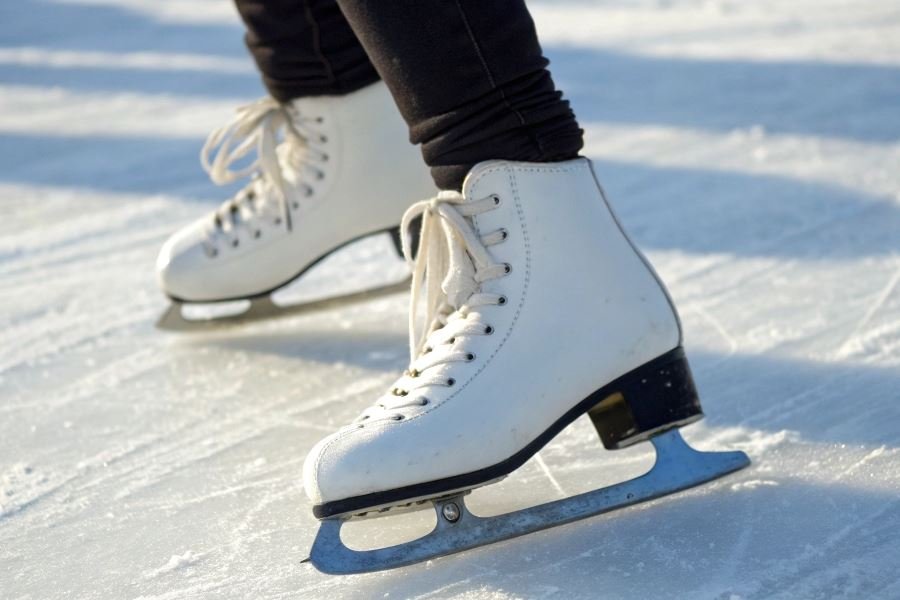
The moment your blade touches the ice for the first time, everything changes. That crisp sound, the glide, the potential—it all begins with what’s on your feet.
Selecting your first pair of figure skates isn’t just a purchase; it’s choosing the tool that will either accelerate your progress or hold you back. Studies from the U.S. Figure Skating Association show that beginners with properly fitted skates progress up to 30% faster than those struggling with inappropriate equipment. Your ankles, balance, and confidence all depend on making the right choice.
The building blocks of beginner success
When selecting your first figure skates, three factors reign supreme: boot support, blade quality, and proper fit. The boot should provide enough ankle support for your weight and skill level without being painfully rigid. Blades need appropriate toe picks for basic jumps without being too aggressive. And fit? A perfect fit means snug everywhere with no pressure points—your toes should just brush the end while standing straight.
“The right beginner skates feel like an extension of your feet, not like you’re wearing concrete blocks.” — Olympic coach Michelle Kwan
Recreational vs. competitive: Know your path
Not all beginner skates serve the same purpose:
| Recreational Skates | Entry-Level Competitive |
|---|---|
| Softer boot material | Stiffer boot construction |
| Less pronounced toe picks | More defined toe picks |
| $80-150 price range | $150-300 price range |
| Comfort-focused | Performance-focused |
If you’re skating weekly for fun, recreational models offer comfort and value. But if you’re eyeing basic jumps and spins within your first year, entry-level competitive skates provide the support needed for those techniques without overwhelming a beginner’s developing ankle strength.
Remember: your first skates aren’t forever, but they are the foundation everything else builds upon.
Essential Factors for First-Time Figure Skates
Stepping onto the ice for the first time is a magical moment—but only if your skates fit right! When navigating how to choose the first figure skates for beginners, three critical elements stand between you and skating success: proper boot fit, blade quality, and adequate ankle support. Let’s dive into what makes these factors so crucial for your journey from wobbly first steps to confident glides.
Finding Your Perfect Boot Fit
The foundation of any skating experience starts with properly fitted boots. Too tight and you’ll be in agony; too loose and you’ll lack control.
When measuring for your first pair, wear the same thin socks you’ll use for skating. Stand with your weight distributed evenly and measure both feet—most skaters have one foot slightly larger than the other.
Always size for your larger foot, and remember that figure skate sizing typically runs 1-1.5 sizes smaller than street shoes.
| Street Shoe Size | Typical Figure Skate Size | Width Consideration |
|---|---|---|
| Women’s 8 | 6.5-7 | Medium width standard |
| Men’s 10 | 8.5-9 | Look for “D” width |
| Child’s 3 | 1.5-2 | Growth room: 1/2 inch max |
The boot should feel snug everywhere with no pressure points. Your toes should barely touch the end when standing straight, but pull back slightly when knees are bent in skating position. Jackson Ultima and Riedell offer excellent beginner models with sizing guides.
Blade Basics for Beginners
Not all blades are created equal, and for beginners, the profile matters tremendously.
Beginner-friendly blades feature a longer radius curve (7-8 feet) that provides more stability as you learn. The toe pick configuration is equally important—look for less aggressive toe picks with fewer teeth to prevent catching the ice unexpectedly.
Stainless steel blades offer the best value for beginners, providing:
- Adequate edge retention
- Reasonable durability
- Less maintenance than carbon steel
Avoid plastic blades on recreational skates—they won’t hold an edge properly and will frustrate your learning process. Entry-level MK Blades or Wilson provide quality without breaking the bank.
Support Systems for Learning Fundamentals
The right amount of ankle support can make or break your early skating experience. Beginner skates should offer moderate to firm ankle support while still allowing some flexibility.
Look for these key support features:
- Leather or synthetic leather construction with reinforced ankle areas
- Multiple hooks at the top for secure lacing
- Padded tongue to distribute lace pressure evenly
- Sufficient stiffness rating (typically 20-40 for adult beginners)
Edea offers innovative beginner models with memory foam padding that molds to your ankle while providing crucial support.
Remember that proper break-in is essential—wear your new skates around the house (with guards!) for 15-20 minute sessions before hitting the ice. This helps the boot conform to your foot’s unique shape while maintaining the structural integrity needed for those first exciting lessons.
With these fundamentals in mind, you’re ready to find skates that will support your development from cautious beginner to confident skater!
Sealing the Deal: Making Your First Figure Skate Purchase Count
Smart budgeting for beginner blades
Finding the sweet spot between quality and affordability is crucial when purchasing your first pair of figure skates. Entry-level models typically range from $150 to $300, offering a balance of performance and value. What makes this price range ideal? These skates provide enough support and quality to learn fundamental techniques without overwhelming your wallet.
Wisdom on ice: Investing slightly more upfront often saves money long-term as better-constructed skates withstand the learning curve’s inevitable falls and stops.
The Jackson Ultima Mystique and Riedell 110 Opal represent excellent value propositions for beginners, offering professional-grade features at accessible price points. When comparing options, focus on:
| Feature | Budget ($150-200) | Mid-range ($200-300) | Premium Beginner ($300-400) |
|---|---|---|---|
| Boot material | Synthetic leather | Leather/synthetic blend | Full leather |
| Blade quality | Stainless steel | Higher-grade steel | Professional-grade steel |
| Support level | Basic | Moderate | Substantial |
| Expected lifespan | 1-2 years | 2-3 years | 3+ years |
Remember that skates priced below $100 often lack the structural integrity needed for proper technique development and may require replacement within months rather than years.
When professional fitting becomes essential
While online research provides valuable information, nothing replaces professional fitting expertise. Consider seeking professional assistance when:
You’re experiencing persistent discomfort despite proper break-in time. Pain isn’t normal, even for beginners.
Your skating goals include jumps and spins within your first year. These techniques demand properly fitted boots to prevent injury.
You have unique foot characteristics such as high arches, wide feet, or previous foot injuries that might require specialized accommodation.
Professional fitters at specialty skating shops can assess:
- Proper ankle support based on your weight and skill progression
- Ideal blade placement for balance
- Custom heat-molding options for improved comfort
The American Academy of Podiatric Sports Medicine recommends professional fitting for all athletic footwear that involves impact or balance-intensive activities—figure skating certainly qualifies.
Extending skate lifespan through proper maintenance
Your first pair of skates represents both a financial investment and your gateway to the sport. Maximize their lifespan with these essential maintenance practices:
-
Dry blades thoroughly after each session using absorbent cloth towels—never store with soakers until completely dry.
-
Apply blade guards when walking off-ice to prevent dulling and damage to the delicate edges.
-
Schedule regular sharpenings every 20-30 hours of ice time for beginners (who tend to catch edges more frequently).
-
Condition leather boots monthly with appropriate leather care products to prevent premature cracking.
-
Store properly in ventilated skate bags away from extreme temperatures and humidity.
Implementing these maintenance habits from day one not only extends your skates’ useful life but also ensures consistent performance as you progress through your skating journey. Many beginners are surprised to learn that well-maintained entry-level skates can easily last through the first two years of regular practice—potentially saving hundreds of dollars in premature replacements.