
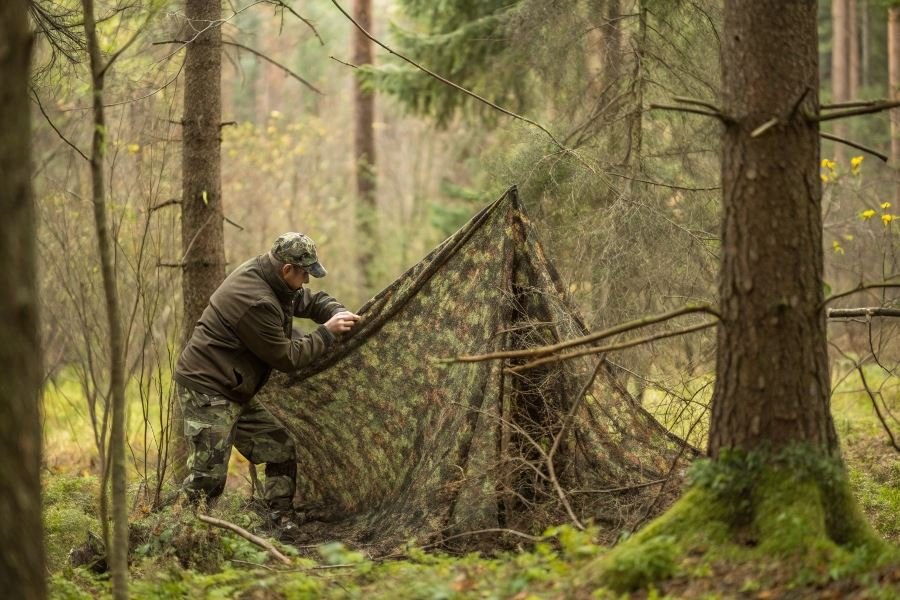
Ever stood motionless for hours while a trophy buck wandered just outside your effective range? The difference between filling your tag and going home empty-handed often comes down to one critical factor: how invisible you truly are.
The perfect camouflage suit isn’t just clothing—it’s your tactical advantage in the wild chess match between hunter and prey. Animals have evolved over millions of years to detect the slightest movement, unnatural shapes, and out-of-place colors. Your camouflage needs to work harder than their instincts.
“The right camouflage doesn’t just hide you; it erases you from the landscape entirely.”
What began as simple earth-toned garments has transformed dramatically. From the rudimentary patterns of the 1940s to today’s hyper-realistic designs incorporating actual photographs of terrain, camouflage technology has undergone a revolution. Modern suits now feature 3D elements that break up the human silhouette and specialized materials that reduce noise and scent.
The evolution of disappearing
The science behind camouflage has advanced exponentially. Early hunters relied on basic browns and greens, but research into animal vision has revealed that many game species see colors differently than humans. This breakthrough led to pattern designs specifically tailored to be invisible to deer, turkey, and other game animals.
Three pillars of selection
When choosing your perfect disappearing act, focus on:
- Environment matching – Your pattern should mirror your hunting grounds
- Season appropriateness – Spring foliage differs dramatically from fall or winter landscapes
- Movement management – Even perfect patterns fail if your suit rustles with every step
The most effective hunters understand that camouflage selection isn’t about following trends—it’s about disappearing completely into the environment where your prey feels safest.
Essential Considerations for Hunting Camouflage
The difference between a successful hunt and coming home empty-handed often comes down to one critical factor: remaining undetected. Selecting the right camouflage suit isn’t just about looking the part—it’s about becoming virtually invisible in your hunting environment. Let’s dive into what truly matters when selecting your hunting disguise.
When learning how to choose a camouflage suit for hunting, understanding the science behind animal vision and environmental adaptation becomes your secret weapon. The perfect camo doesn’t just hide you; it transforms you into part of the landscape, making you disappear right before your prey’s eyes.
Matching Patterns to Your Hunting Ground
Different environments demand different camouflage patterns. This isn’t just marketing—it’s biology and optics at work:
- Woodland Patterns: Rich with browns, greens, and blacks, these mimic the dense forest floor and work exceptionally well in timber areas with heavy vegetation.
- Marsh/Waterfowl Patterns: Featuring reeds, cattails, and water-mimicking elements for duck and waterfowl hunting.
- Open Field/Prairie Patterns: Lighter tans and sparse vegetation patterns that break up your outline in grasslands.
- Mountain/Alpine Patterns: Incorporating rocks, sparse vegetation, and snow for high-elevation hunts.
Remember: Animals don’t see color the same way humans do. Deer, for example, see blues and ultraviolet light extremely well but struggle with reds.
Seasonal Camouflage Selection
Your perfect spring pattern might make you stand out like a sore thumb in winter. Seasonal adaptation is crucial:
| Season | Optimal Patterns | Key Features |
|---|---|---|
| Spring | Light greens, early vegetation | Moisture-wicking, lighter weight |
| Summer | Full foliage, deep greens | Ventilation, insect protection |
| Fall | Browns, reds, yellows | Layering capability, quieter materials |
| Winter | Snow patterns, bare trees | Insulation, wind protection, white/gray tones |
The most successful hunters often maintain a seasonal wardrobe of camouflage, switching patterns as the landscape transforms throughout the year. Realtree and Mossy Oak offer specialized seasonal patterns backed by extensive field research.
Material Quality and Weather Protection
The best camouflage pattern becomes worthless if your suit can’t stand up to the elements or gives you away with noisy fabric.
Critical Material Considerations:
-
Silence Factor: Premium hunting suits use brushed fabrics that minimize noise when moving through brush or drawing your bow. Avoid stiff, “crinkly” materials that announce your presence.
-
Weather Protection: Look for suits with:
- Waterproofing: Not just water-resistant, but truly waterproof with sealed seams
- Wind Blocking: Strategic wind-blocking panels in chest and back areas
- Breathability: Moisture-wicking inner layers that prevent sweat buildup
- Durability Elements:
- Reinforced knees and seat
- Double-stitched seams
- Ripstop fabric technology
- Abrasion-resistant panels in high-wear areas
Temperature Management: Sitka Gear pioneered the layering system approach for hunters, allowing you to adapt to changing temperatures throughout the day without sacrificing your camouflage effectiveness.
The ultimate camouflage suit balances concealment with comfort and protection. When these elements work in harmony, you’re not just dressed for the hunt—you’re equipped for success in any environment, any season, and any weather condition.
Sealing the Deal: Your Ultimate Camouflage Suit Decision
When you’re stalking through underbrush at dawn, the last thing you want is buyer’s remorse about your camo. The perfect hunting suit isn’t just about looking invisible—it’s about feeling invincible in any condition. Let’s cut through the marketing noise and focus on making that final, confident decision.
Smart spending for lasting performance
The hunting gear market spans from $50 budget options to $500+ premium systems from brands like Sitka Gear and Kuiu. But price tags don’t always tell the whole story.
Investment strategy: Focus your budget on the pieces that matter most. A quality jacket and pants should take priority over accessories. Many hunters find their sweet spot in the $200-350 range for a complete system that balances durability with affordability.
Consider this cost breakdown for smart budgeting:
| Component | Budget ($) | Mid-range ($) | Premium ($) |
|---|---|---|---|
| Jacket | 60-100 | 150-200 | 250-400 |
| Pants | 50-80 | 120-180 | 200-350 |
| Hat/Mask | 15-25 | 30-50 | 60-100 |
| Gloves | 20-30 | 40-60 | 70-120 |
The difference between good and great often isn’t the extra $200—it’s finding the right match for your specific hunting environment.
The movement test never lies
Specs on a website can’t tell you how a suit performs when you’re drawing your bow or shouldering your rifle. Before committing:
-
Perform the full range test: Squat, reach overhead, crawl, and twist while wearing the suit. Any restriction means it’s not the one.
-
Layer up: Try the camo with your typical base and mid layers. A suit that fits perfectly over a t-shirt might become uncomfortably tight with cold-weather gear.
-
Weight assessment: Carry it around the store for 10+ minutes. What feels lightweight on the rack can become burdensome after hours in the field.
First Lite and Under Armour offer hunting lines specifically engineered for mobility—worth considering if freedom of movement tops your priority list.
Extending your investment
The best camo suit becomes the worst value if it falls apart after two seasons. Proper maintenance dramatically extends lifespan:
Washing wisdom: Use scent-free detergents specifically designed for hunting gear. Dead Down Wind and Scent Killer offer specialized products that preserve both fabric integrity and camouflage patterns.
Storage secrets: Hang your suit in a cool, dry place away from direct sunlight. UV exposure is the silent killer of camo effectiveness, causing patterns to fade and materials to degrade.
Field repairs: Keep a small repair kit with matching thread and fabric patches. Quick fixes prevent small tears from becoming catastrophic failures at the worst possible moment.
Seasonal inspection: Before each hunting season, thoroughly check seams, zippers, and high-wear areas. Preventative maintenance always costs less than replacement.
The perfect camouflage suit is the one that disappears in the woods—not from your gear collection after a single season. By balancing budget considerations, ensuring comfort through proper testing, and implementing smart maintenance, you’re not just buying hunting clothes—you’re investing in successful hunts for years to come.