
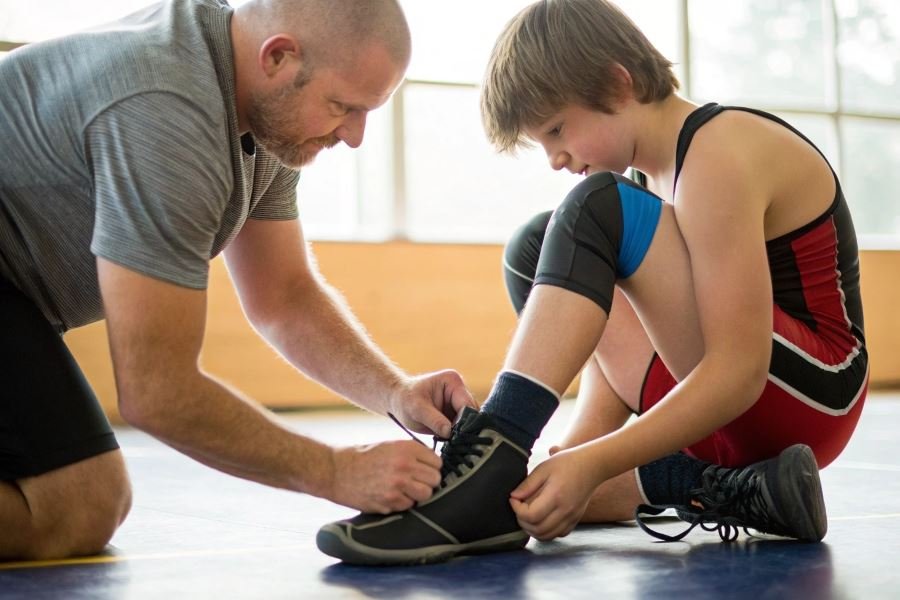
That moment when your young athlete steps onto the wrestling mat for the first time is unforgettable. But before they can execute their first takedown, they need the right foundation—literally. The shoes your child wears can be the difference between confident performance and unnecessary injury.
Wrestling shoes aren’t just smaller versions of adult footwear. They’re specialized equipment designed for a sport where every ounce of grip, support, and flexibility matters. When selecting your child’s first pair, you’re not just making a purchase; you’re investing in their athletic development.
“The right wrestling shoes are like training wheels for technique,” explains Olympic medalist Jordan Burroughs. “They give young wrestlers the stability to focus on learning moves rather than worrying about slipping.”
Performance foundations
The connection between proper footwear and performance is undeniable. Wrestling shoes provide the ankle support crucial for quick directional changes while maintaining the mat sensitivity needed for balance awareness. Studies show that appropriate wrestling footwear can improve a young athlete’s reaction time by up to 15% compared to inappropriate alternatives.
Safety first, victories second
Beyond performance, proper wrestling shoes significantly reduce injury risk. The specialized soles prevent mat burns while the ankle support helps prevent sprains—injuries that can sideline young wrestlers for weeks. The lightweight design also reduces fatigue, allowing young athletes to maintain proper form longer, further decreasing injury potential.
Not just smaller adult shoes
Wrestling footwear for children has unique requirements. They need more flexibility to accommodate growing feet while still providing the technical features that make wrestling shoes essential. The right pair will balance durability with comfort, ensuring your child can focus on learning rather than discomfort.
Finding the Perfect First Wrestling Shoes for Your Young Athlete
When your child steps onto the wrestling mat for the first time, their footwear becomes their foundation. Selecting the right wrestling shoes isn’t just about style—it’s about safety, performance, and confidence. What to pay attention to when buying the first wrestling shoes for a child involves understanding several critical factors that can make or break their early wrestling experience.
The science of proper sizing
Finding the right fit for wrestling shoes differs significantly from regular athletic footwear. Wrestling shoes should fit snugly—almost like a second skin—without causing discomfort.
Measurement matters: Have your child’s feet measured late in the day when feet are naturally at their largest. Allow about 1/4 to 1/2 inch of space beyond the longest toe.
Pro tip: Many young wrestlers perform better in shoes that fit more snugly than their regular footwear.
When trying on shoes, have your child wear the same socks they’ll use during practice and competition. Walk, jog, and simulate wrestling movements to ensure comfort during active use.
| Size Consideration | Why It Matters | Testing Method |
|---|---|---|
| Length | Prevents toe injuries | Thumb-width space at toe |
| Width | Prevents blisters and discomfort | No pinching at widest part of foot |
| Heel fit | Prevents slipping and ankle injuries | Heel shouldn’t lift when moving |
Ankle support that won’t quit
Young wrestlers need exceptional ankle support as they develop balance and technique. The ankle design in wrestling shoes varies significantly between models.
High-tops vs. mid-cuts: While high-top designs offer maximum support for beginners, mid-cut options provide a balance of support and flexibility that growing wrestlers might prefer.
Look for shoes with:
- Reinforced ankle collars
- Secure lacing systems that distribute pressure evenly
- Padded tongue that prevents lace bite
- Firm heel counter that limits excessive movement
Remember: The best ankle support comes from a combination of shoe design and proper lacing technique.
Traction that grips when it counts
The sole of a wrestling shoe can determine whether your child stands firm or slips at crucial moments. Wrestling shoe soles are specifically designed for mat surfaces and differ dramatically from regular athletic shoes.
Split-sole vs. unisole designs: Split-soles offer greater flexibility and mat feel, while unisole designs typically provide more durability—an important consideration for growing feet.
The ideal traction pattern should:
- Feature concentric circles or herringbone patterns
- Provide multidirectional grip
- Balance between stickiness and pivoting ability
- Be made from non-marking rubber compounds
Durability factor: For first-time shoes, look for reinforced toe caps and suede overlays in high-wear areas. Brands like ASICS and Nike offer youth models with enhanced durability features.
Young wrestlers who can feel the mat through their shoes develop better technique and body awareness. The right combination of grip, support, and fit creates confidence that translates directly to performance—turning those first nervous steps on the mat into the foundation of a passionate wrestling journey.
Making the Final Decision: Your Child’s First Wrestling Shoes
When you’ve navigated through the maze of options, it’s time to make that crucial final decision on your child’s first wrestling shoes. This isn’t just about buying footwear—it’s about investing in your young athlete’s performance, confidence, and safety on the mat.
Smart budget decisions that don’t sacrifice quality
Finding the sweet spot between quality and affordability is the ultimate wrestling move for parents. Entry-level wrestling shoes from reputable brands like Asics or Nike typically range from 50−90—a reasonable investment for growing athletes.
Coach’s tip: It’s better to spend $70 on a quality pair that lasts a season than $40 on shoes that fall apart after three tournaments.
Consider the durability factors that deliver the best value:
| Price Range | Expected Durability | Best For |
|---|---|---|
| 50−70 | 1 season (beginner use) | New wrestlers, uncertain commitment |
| 70−100 | 1-2 seasons | Committed beginners, regular practice |
| $100+ | 2+ seasons | Serious competitors, intensive training |
Remember that wrestling shoes aren’t just about lasting power—they’re performance equipment. The right pair can prevent injuries and help your child develop proper technique from day one.
Bringing your young wrestler into the decision
Your child’s input isn’t just nice—it’s necessary. Young wrestlers who participate in selecting their gear show greater ownership and enthusiasm for the sport.
Make the shopping experience educational by:
- Having them try on multiple pairs and describe how each feels
- Explaining why certain features matter for performance
- Letting them choose between 2-3 parent-approved options
The confidence factor matters. When kids feel good about their equipment, they often perform better. If your child gravitates toward a specific color or style within your approved options, that psychological boost can be worth accommodating.
Knowing when it’s time for new shoes
Wrestling shoes aren’t meant to last forever, and recognizing the right time for replacement is crucial for your athlete’s development. Watch for these clear signals:
- Visible sole wear – When the outsole pattern begins disappearing, traction is compromised
- Growth spurts – Even a half-size too small can affect technique and comfort
- Competitive level changes – As skills advance, equipment needs often evolve
- Structural damage – Torn seams or separated soles require immediate replacement
Most youth wrestlers outgrow their shoes before wearing them out completely. Establish a regular assessment routine—checking fit and condition before each season and midway through if your child is in a growth phase.
The progression path typically follows this pattern: entry-level shoes → intermediate models → specialized competition shoes as commitment and skill level increase. This graduated approach ensures you’re investing appropriately at each stage of your child’s wrestling journey.
By balancing quality considerations with budget realities, involving your young athlete in the process, and knowing when to upgrade, you’ll set the foundation for a positive wrestling experience that starts from the ground up.