
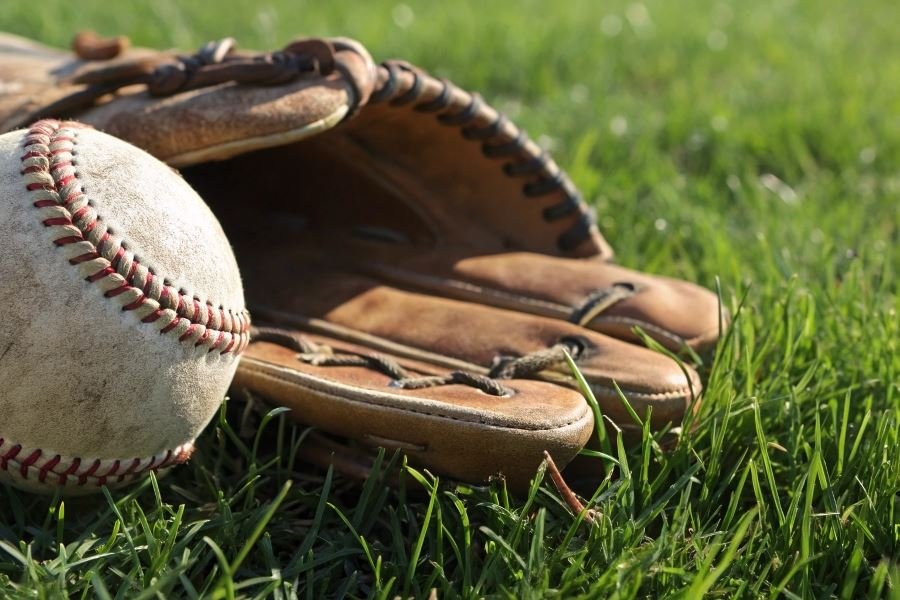
Ever watched a shortstop snag a screaming line drive with seemingly impossible reflexes? That magical moment isn’t just skill—it’s the perfect marriage between player and glove. The right-sized baseball glove isn’t just equipment; it’s your most trusted partner on the field.
Finding your ideal glove size isn’t optional—it’s essential. A properly fitted glove becomes an extension of your hand, allowing for quicker transfers, better control, and reduced fatigue during those extra-inning battles. Too large, and you’ll fumble crucial catches; too small, and you’ll struggle to secure the ball properly.
Position dictates everything in glove sizing. Infielders typically need compact gloves (11.25-11.75 inches) for lightning-quick ball transfers, while outfielders require larger pockets (12.5-13 inches) to snag those deep fly balls. First basemen and catchers use specialized mitts with unique measurements altogether.
“The difference between making SportsCenter’s Top 10 and ending up on the blooper reel often comes down to having the right glove for your position.”
Age factors significantly into sizing as well. Youth players need proportionally smaller gloves that allow proper control as their hand strength develops. A 10-year-old shortstop might use a 10.5-inch glove, while their high school counterpart would likely need an 11.5-inch model.
Measuring for the perfect fit involves more than just numbers—it’s about how the glove feels when you slip it on. The webbing style, pocket depth, and leather quality all contribute to that magical moment when you find your glove.
The Perfect Fit: Mastering Baseball Glove Sizing
Finding the right baseball glove size transforms your defensive game from frustrating to fluid. When players struggle with catches or transfers, the culprit is often an improperly sized glove. Understanding how to choose the right size of a baseball glove requires considering your position, physical attributes, and playing style—factors that separate the highlight-reel defenders from the rest.
Position Dictates Size
Your position on the diamond directly determines your optimal glove size:
Infielders need quick transfers and ball control. Second basemen and shortstops typically use 11.25-11.75 inch gloves for lightning-fast double plays. Third basemen might go slightly larger (11.75-12 inches) to handle scorching line drives.
Outfielders require extended reach and deeper pockets. Their gloves typically measure 12.5-13 inches, creating that extra catching radius for tracking down fly balls in the gap.
Pitchers prioritize concealment and comfort, usually selecting 11.5-12 inch models with closed webbing to hide grip from eagle-eyed batters.
Catchers use specialized mitts (not technically gloves) measuring 32-34.5 inches in circumference, with heavy padding to absorb 90+ mph fastballs repeatedly.
| Position | Recommended Size Range | Key Feature |
|---|---|---|
| Second Base/Shortstop | 11.25-11.75″ | Shallow pocket for quick transfers |
| Third Base | 11.75-12″ | Deeper pocket for hard shots |
| Outfield | 12.5-13″ | Extended reach, deeper pocket |
| Pitcher | 11.5-12″ | Closed webbing for grip concealment |
| Catcher | 32-34.5″ (circumference) | Heavy padding, reinforced pocket |
Age and Hand Size Matter
Physical development significantly impacts proper sizing:
Youth players (ages 8-12) typically need 10.5-11.5 inch gloves as their hand strength and coordination develop. Oversized gloves at this stage create more problems than benefits.
Teenagers generally transition to 11.5-12.5 inch models as their hands grow and skills advance.
Adults select based on position and personal preference, but hand size remains crucial. A simple test: if you can barely close the glove or it feels unwieldy, it’s too large regardless of “standard” position sizing.
Pro tip: When trying gloves, simulate game scenarios. A glove might feel comfortable standing still but reveal issues when moving laterally or reaching for balls.
Material and Webbing Impact
The materials dramatically affect how a glove performs at any given size:
Leather quality determines break-in time and longevity. Premium steerhide from Wilson or Rawlings feels stiff initially but molds perfectly to your hand over time.
Webbing patterns change the effective catching area:
- I-web designs offer visibility for infielders tracking pop-ups
- H-web patterns provide outfielders flexibility with larger catching surfaces
- Basket webs give pitchers complete grip concealment
Padding distribution affects how the glove’s size translates to performance. Two 12-inch gloves can feel dramatically different based on where padding concentrates.
The perfect baseball glove balances position requirements with your physical attributes. When sized correctly, it becomes an extension of your hand rather than equipment you’re fighting against. Take time testing multiple sizes and styles—your defensive statistics will reflect the effort invested in finding that perfect fit.
Finding Your Perfect Fit: Mastering Baseball Glove Sizing
Baseball isn’t just a game—it’s an extension of yourself. And nothing connects you to the field quite like your glove. That perfect catch, that lightning-quick transfer, that game-saving snag—they all start with a properly fitted glove. Let’s dive into the science and art of finding your perfect baseball companion.
Measuring Your Hand for Glove Greatness
The foundation of glove fitting starts with understanding your own dimensions. Grab a flexible measuring tape and follow these steps:
- Measure from the tip of your index finger down to your wrist crease
- Measure your palm width at its widest point
- Note your dominant hand’s measurements (they’re often slightly larger)
Pro tip: Add about half an inch to your measurements if you prefer a slightly looser fit or plan to wear a thin liner glove during cold weather games.
Your position dictates your ideal glove size. Infielders typically need 11.25″-12″ gloves for quick transfers, while outfielders benefit from deeper 12.5″-13″ pockets. Catchers require specialized mitts around 32″-34.5″ in circumference.
| Position | Recommended Size Range | Key Features |
|---|---|---|
| Pitcher | 11.5″-12″ | Closed web to hide grip |
| Infield | 11.25″-12″ | Shallow pocket, quick release |
| Outfield | 12.5″-13″ | Deep pocket, extended reach |
| First Base | 12″-13″ | Specialized mitt design |
| Catcher | 32″-34.5″ | Extra padding, reinforced pocket |
Remember that youth sizes run 1-1.5 inches smaller than adult counterparts for the same positions.
Testing Performance Factors Beyond Size
Size is just the beginning. When you’re at the sporting goods store, put potential gloves through these critical tests:
Flexibility assessment: Squeeze the glove shut repeatedly. A good glove should flex naturally while maintaining structure. Youth players need more immediate flexibility, while competitive players can handle stiffer leather that will break in over time.
Pocket depth evaluation: Drop a ball into the pocket. Does it sit securely without disappearing too deeply? Infielders need shallower pockets for quick transfers, while outfielders benefit from deeper pockets for secure catches.
Weight consideration: Hold the glove in your playing position for 30 seconds. Any fatigue signals potential issues during extended play. Younger players should prioritize lighter gloves to prevent arm strain.
Wrist adjustment: Test the wrist closure system. Whether it’s laced, Velcro, or buckled, it should provide secure comfort without restricting movement or circulation.
Breaking In Your New Glove
You’ve found your perfect size—now comes the crucial break-in period. Skip this step and you’ll struggle with stiffness for months.
-
Apply quality glove conditioner sparingly to soften leather without compromising structure. Products like Rawlings Glove Butter or Wilson Glove Oil work wonders.
-
Work the leather manually by repeatedly opening and closing the glove, focusing on the hinge points. Roll the glove like a newspaper, then fold it at the break points with the pocket wrapped around a ball.
-
Create a game-ready pocket by placing a ball in the sweet spot, then wrapping the glove with bands or belts overnight. This trains the leather to remember its ideal catching position.
-
Play catch regularly during break-in. Nothing beats actual use for creating a personalized fit. Start with shorter distances, gradually increasing as the glove softens.
The best gloves become extensions of your hand through a combination of proper sizing and dedicated break-in. Rushing either process compromises performance.
Your perfectly sized, properly broken-in glove won’t just improve your game—it’ll become a trusted companion for seasons to come.