
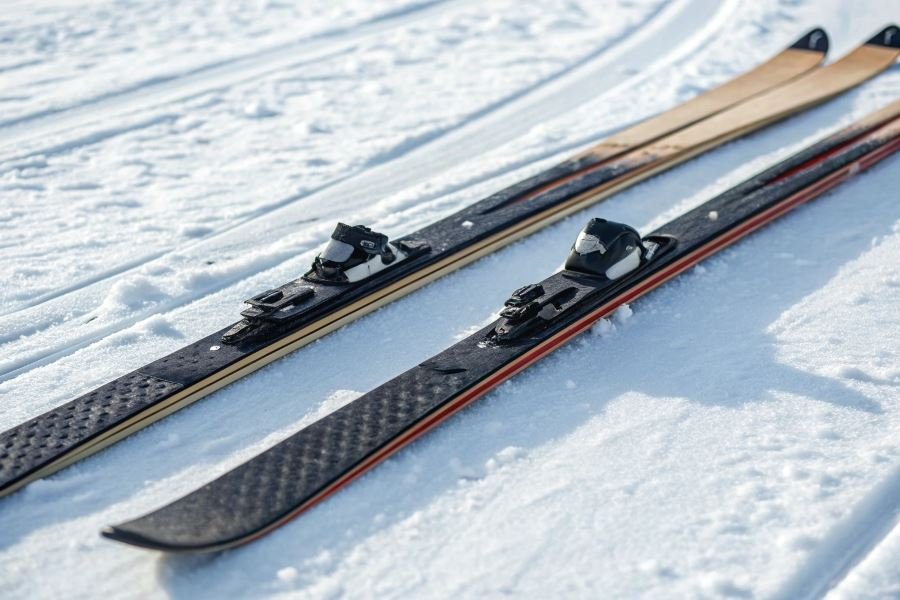
Ever stood at the edge of a pristine snow-covered trail, heart racing with anticipation, only to feel your skis fighting against you with every stride? That frustration vanishes when you’re matched with the right cross-country skis—equipment that feels like an extension of your body rather than equipment you’re dragging along.
Cross-country skiing has experienced a remarkable renaissance, with trail usage up 72% compared to pre-pandemic levels. This surge has brought a wave of innovation in ski design, creating both opportunity and confusion for enthusiasts looking to upgrade their gear.
Selecting the perfect cross-country skis isn’t just about brand names or flashy graphics—it’s about understanding the intricate relationship between your skiing style, physical attributes, and the terrain you’ll conquer. A ski that performs brilliantly for a 180-pound skier on groomed trails might be disastrous for a lighter skier in backcountry powder.
Three critical factors determine your ideal match:
- Skiing style (classic, skate, or combination)
- Snow conditions you typically encounter
- Your physical characteristics (weight, height, and strength)
The difference between adequate and exceptional equipment can transform your experience from merely surviving the trail to dancing across it. Throughout this review, we’ll decode manufacturer specifications, translate technical jargon, and provide real-world performance insights that go beyond marketing claims.
By the final section, you’ll have a framework for evaluating which models deserve your consideration—and which deserve to stay on the rack. Your perfect ski is waiting; let’s find it together.
Finding Your Perfect Cross-Country Skis: The Ultimate Guide
When winter blankets the landscape, there’s nothing quite like gliding across pristine snow on the perfect pair of cross-country skis. The right equipment can transform your experience from a frustrating slog to an exhilarating adventure. In this comprehensive breakdown, we’ll explore the best cross-country skis for enthusiasts: a review of models across different categories to help you make an informed decision based on your skiing style and ambitions.
Classic Cross-Country Champions
Traditional skiing techniques require specific ski designs that balance grip and glide. These top performers deliver exceptional performance for classic stride enthusiasts:
Fischer Twin Skin Race – The innovative double skin technology provides consistent grip in varying snow conditions without the hassle of kick wax. With a responsive wood core and Air Channel construction, these skis offer remarkable stability and control while maintaining a lightweight feel at just 1100g per ski (195cm length).
Rossignol BC 65 – A versatile option that excels on groomed tracks but can handle light off-track adventures. The waxless Positrack base delivers reliable grip while the partial steel edge provides added control. At 65mm underfoot, they strike an ideal balance between maneuverability and stability.
Salomon Aero 9 Skin – Perfect for recreational enthusiasts seeking performance without complexity. The mohair/synthetic skin insert delivers consistent kick in temperatures from -15°C to +5°C. The S-Cut profile enhances turning ability while maintaining excellent tracking on straightaways.
| Model | Weight (195cm) | Width | Core Material | Price Range |
|---|---|---|---|---|
| Fischer Twin Skin Race | 1100g | 41mm | Air Core | $350-400 |
| Rossignol BC 65 | 1650g | 65mm | Wood | $280-330 |
| Salomon Aero 9 Skin | 1250g | 45mm | Densolite | $300-350 |
Skate Ski Speedsters
For those chasing velocity and dynamic movement, these skate ski models deliver exceptional performance:
Atomic Redster S9 – The carbon-reinforced construction provides phenomenal power transfer with minimal weight (1050g per ski). The World Cup-proven Speedcap construction delivers impressive torsional rigidity while maintaining just enough flex for optimal snow contact.
Madshus Redline 3.0 – Featuring the innovative PR 100X core that combines ultra-lightweight properties with exceptional durability. The progressive sidecut enhances turning ability without sacrificing straight-line stability. At just 990g per ski, they’re among the lightest performance options available.
Fischer Carbonlite Skate Plus – The Cold Base Bonding technology creates a seamless connection between base and core, enhancing glide properties. The Hole Ski Technology reduces weight while maintaining structural integrity, resulting in responsive skis that excel in both sprint and distance events.
| Model | Weight (192cm) | Core Technology | Flex Profile | Price Range |
|---|---|---|---|---|
| Atomic Redster S9 | 1050g | Carbon Laminates | Medium-Stiff | $550-600 |
| Madshus Redline 3.0 | 990g | PR 100X | Progressive | $600-650 |
| Fischer Carbonlite Skate Plus | 1080g | Air Core | Universal | $500-550 |
Backcountry Trailblazers
When adventure calls beyond groomed trails, these models provide the perfect balance of control and float:
Åsnes Gamme 54 – These Norwegian-crafted skis feature a substantial 54mm waist and full-length steel edges for confident navigation through varied terrain. The moderate sidecut (84-54-69mm) enhances turning ability while the wood core provides natural dampening on rough surfaces.
Fischer S-Bound 98 – With an impressive 98mm waist, these skis deliver exceptional float in deep snow while remaining manageable on packed surfaces. The Nordic Rocker profile enhances maneuverability while the Offtrack Crown pattern provides reliable grip without wax.
Rossignol BC 80 – The perfect middle ground between track performance and backcountry capability. The Air Tip technology reduces swing weight for easier navigation through tight spaces, while the 80mm waist width provides confidence-inspiring stability in variable conditions.
| Model | Width (Tip-Waist-Tail) | Edge | Weight (180cm) | Price Range |
|---|---|---|---|---|
| Åsnes Gamme 54 | 84-54-69mm | Full Steel | 1750g | $400-450 |
| Fischer S-Bound 98 | 98-98-98mm | 3/4 Steel | 1850g | $350-400 |
| Rossignol BC 80 | 114-80-104mm | Full Steel | 1800g | $380-430 |
Finding your perfect cross-country skis depends on honestly assessing your skill level, preferred terrain, and performance expectations. Whether you’re gliding along pristine tracks, pushing for personal speed records, or exploring untouched wilderness, the right skis will elevate your winter adventures to new heights.
Maximizing Your Cross-Country Ski Investment
When you’re carving through pristine snow, the difference between good and exceptional equipment becomes crystal clear. After reviewing the top cross-country ski models for enthusiasts, it’s time to distill what truly matters for your long-term satisfaction on the trails.
Performance features that separate the elite from the rest
The standout cross-country skis share several defining characteristics that justify their premium position. The Fischer Speedmax 3D Skate’s carbon layering technology creates that perfect balance of stiffness and flex response that elite skiers rave about. Meanwhile, Salomon’s S/Race Skate Plus models feature their patented G5 sidewall construction, delivering unmatched edge control when conditions get icy.
What truly differentiates top-tier models is their camber profile—the subtle arch under your foot that determines pressure distribution across the ski. The Rossignol X-ium Premium S2 Skate’s progressive sidecut provides that magical combination of stability and maneuverability that intermediate skiers need to progress.
Base material quality remains the single most underappreciated feature in cross-country ski selection. The sintered bases found on Madshus Redline 3.0 models retain wax significantly longer than extruded alternatives, translating to consistent glide performance throughout your session.
Extending ski lifespan through proper maintenance
High-performance cross-country skis aren’t just purchases—they’re investments that require protection:
The difference between skis that last three seasons versus eight seasons isn’t luck—it’s maintenance discipline.
Your maintenance regimen should include:
| Maintenance Task | Frequency | Benefits |
|---|---|---|
| Edge cleaning | After each use | Prevents rust and maintains grip |
| Base cleaning | Every 3-4 outings | Removes dirt that impedes glide |
| Hot waxing | Every 30-40km | Restores base saturation and protects structure |
| Base grinding | Annually | Refreshes base structure for optimal performance |
Storage matters tremendously. Keep skis in a temperature-controlled environment, secured with a proper brake strap—not clamped together—to maintain their camber. Never store skis in a car trunk where temperature fluctuations accelerate base drying and structural fatigue.
Smart selection for skill progression
The wisest approach to ski selection balances your current ability with your three-year trajectory. The Atomic Redster S9 Carbon provides that sweet spot for enthusiasts—offering forgiveness for technique refinement while delivering performance characteristics that won’t become limiting as you improve.
For those splitting time between classic and skate techniques, the Fischer Twin Skin Pro delivers versatility without significant compromise in either discipline. At $499, it represents exceptional value considering its multi-year utility.
Consider your local terrain reality rather than aspirational conditions. If you primarily ski machine-groomed trails with occasional forays into backcountry, the Peltonen Infra-X provides that ideal balance of track precision and off-piste capability.
Remember that binding compatibility creates an ecosystem commitment. The NNN (Nordic Norm) and Prolink systems dominate the market, with the NIS plate system offering the most future-proof mounting solution for enthusiasts planning to own multiple pairs.
The most satisfying investment isn’t necessarily the most expensive—it’s the one that aligns with your progression path while delivering reliable performance season after season. Choose wisely, maintain diligently, and your cross-country skis will reward you with countless perfect days on snow.