
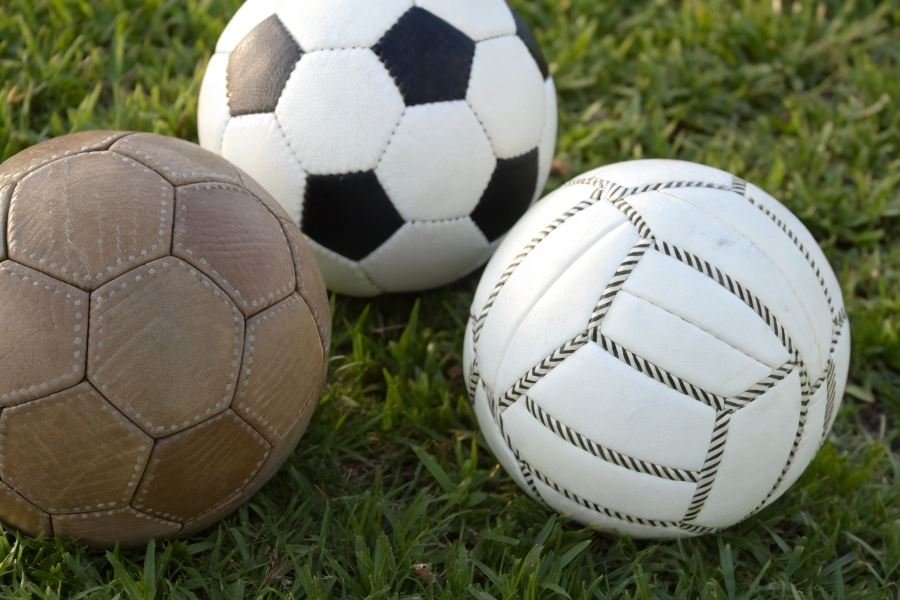
Ever watched a 7-year-old struggle with an adult-sized football? It’s like handing a bowling ball to someone who asked for a tennis ball. The right football isn’t just equipment—it’s the foundation for a lifetime love of the game.
Youth football isn’t simply “mini adult football.” When children and teens kick around the perfect ball for their age and size, something magical happens: skills develop faster, confidence soars, and injury risks plummet. The difference between the right and wrong ball can determine whether a young player sticks with the sport or walks away frustrated.
Size matters—tremendously. FIFA’s official sizing guide exists for good reason: a Size 3 ball (ages 3-7) weighs just 11-12 oz, while a Size 5 (adult standard) tips the scales at 14-16 oz. That 30% weight difference transforms the entire playing experience for developing muscles and coordination.
But weight and size aren’t the whole story. Consider these critical factors when selecting youth footballs:
- Material quality: Synthetic leather offers durability while maintaining feel
- Pressure retention: Nothing kills enthusiasm faster than constantly deflating balls
- Water resistance: Morning dew shouldn’t double a ball’s weight
- Visual design: High-visibility patterns help developing eyes track ball movement
The best youth footballs balance durability with proper technical characteristics. When young players use appropriately sized equipment, they develop cleaner technique, experience fewer frustrations, and most importantly—they have fun. And isn’t that what youth sports should be about?
Finding the Perfect Football for Young Players
When it comes to developing football skills, having the right equipment makes all the difference. The best footballs for children and teenagers need to match their physical capabilities, skill level, and playing environment. Let’s break down the top options by age group to help you make an informed choice that will keep young players engaged and improving.
Top Footballs for Ages 5-10
Young children need footballs that are appropriately sized and won’t intimidate them as they learn the fundamentals.
Size 3 Footballs are the gold standard for this age group, weighing between 11-12 oz and measuring 23-24 inches in circumference. These smaller, lighter balls allow young players to focus on technique rather than struggling with control.
-
Nike Skills Mini Ball – This durable 32-panel design offers excellent touch sensitivity while maintaining its shape through countless backyard matches. The textured casing provides grip even in wet conditions, making it perfect for year-round play. ($19.99)
-
Adidas Tiro Club Ball – With machine-stitched construction and butyl bladder, this ball retains air pressure remarkably well—a huge plus for parents tired of constantly reinflating equipment. The high-visibility graphics help young players track the ball more easily. ($24.95)
-
Wilson Traditional Soccer Ball – This classic option features a cushioned cover that’s gentler on smaller feet while still providing authentic feel. The synthetic leather construction stands up to concrete, grass, and everything in between. ($17.99)
Coach’s Tip: For the youngest players (ages 5-7), consider starting with a slightly deflated ball to build confidence before moving to proper inflation.
Best Options for Pre-teens (11-14)
As players develop, they need equipment that bridges the gap between learning and competitive play.
Size 4 Footballs are ideal here, weighing 12-13 oz with a 25-26 inch circumference. These balls help pre-teens develop proper technique while preparing them for regulation equipment.
-
Select Numero 10 Ball – Hand-stitched with premium PU material, this ball offers exceptional durability and consistent flight patterns. The controlled rebound helps players develop touch and ball control. ($39.99)
-
Puma TeamFINAL Ball – Features a textured surface that improves aerodynamics and provides consistent performance in all weather conditions. The reinforced bladder maintains shape even after intense use. ($34.95)
-
Mitre Impel Training Ball – Designed specifically for developing players, this ball has a foam-backed lining that softens impact while maintaining proper weight. The 30-panel design improves accuracy for passing and shooting drills. ($29.99)
Professional-Grade Options for Teenagers (15-18)
Advanced teenage players need match-quality equipment that meets regulation standards.
Size 5 Footballs are regulation size (27-28 inches) and weight (14-16 oz), preparing serious players for competitive play.
-
Nike Flight Premier League Ball – Features AerowSculpt technology that reduces drag and provides more predictable flight paths. The All Conditions Control (ACC) technology ensures consistent performance regardless of weather. ($159.99)
-
Adidas MLS Pro Ball – Thermally bonded seamless construction delivers a more precise flight path and better touch. The textured surface improves ball control at high speeds, perfect for developing elite skills. ($129.95)
-
Under Armour DESAFIO Elite Ball – Engineered with a premium microfiber cover and high-rebound latex bladder that provides exceptional energy return on strikes. The 12-panel design offers superior aerodynamics for long passes and shots. ($99.99)
Remember that proper inflation (8.5-15.6 PSI depending on the specific ball) is crucial for optimal performance and skill development regardless of which football you choose.
Investing in Your Young Athlete’s Future
The lasting impact of quality footballs
Choosing the right football for your young player isn’t just about today’s game—it’s an investment in their athletic journey. Quality footballs designed specifically for youth players deliver immediate performance benefits while supporting proper skill development. When children practice with appropriately sized and weighted balls, they develop cleaner technique and greater confidence. The Wilson NFL MVP Junior Football or Nike Strike Team might cost more upfront than generic alternatives, but their consistent flight patterns and responsive touch help young players develop proper passing mechanics that stick with them as they advance.
The right ball doesn’t just improve play—it prevents the formation of bad habits that can take years to correct.
Beyond skill development, quality footballs designed for youth players reduce injury risk. Properly sized balls prevent finger jams and wrist strains common when children attempt to grip adult-sized equipment. This means more consistent practice time and fewer setbacks during crucial developmental windows.
Extending your football’s game life
Even the best youth football needs proper care to deliver maximum value. Implement these maintenance practices to keep your investment in peak condition:
Storage wisdom: Keep footballs in climate-controlled environments whenever possible. Extreme temperature fluctuations cause premature leather breakdown and affect air retention. Never leave balls in hot cars or outdoor sheds during winter months.
Cleaning routine: Wipe footballs with a slightly damp cloth after muddy practices. For leather balls, use specialized cleaners like Wilson Ball Cleaner rather than household products that strip natural oils.
Inflation discipline: Maintain proper inflation levels according to manufacturer specifications. Under-inflated balls damage more easily when compressed, while over-inflation stresses seams and affects grip.
| Maintenance Task | Frequency | Tools Needed |
|---|---|---|
| Cleaning | After muddy use | Damp cloth, specialized cleaner |
| Inflation check | Weekly | Pressure gauge, ball pump |
| Deep cleaning | Monthly | Leather conditioner (for leather balls) |
| Seam inspection | Seasonally | None – visual check |
When to level up your equipment
Youth footballs should evolve alongside your young athlete. Watch for these signals that it’s time for an upgrade:
Size progression: Most youth players should transition through at least three ball sizes as they develop. When your player can comfortably palm the current ball or their hand span exceeds 7 inches, consider moving up a size.
Skill advancement: As throwing distance increases and spiral consistency improves, players benefit from footballs with more sophisticated grip patterns and aerodynamic properties. The Under Armour 395 Youth offers intermediate features that bridge recreational and competitive play.
Physical development: Growth spurts affect hand size, arm strength, and throwing mechanics. Reassess equipment needs during significant growth periods to ensure the ball remains proportional to physical capabilities.
Remember that upgrading too quickly can hinder development, while delaying necessary transitions limits potential. The goal is finding that sweet spot where equipment challenges skills without overwhelming them—creating the perfect environment for your young athlete to thrive.