
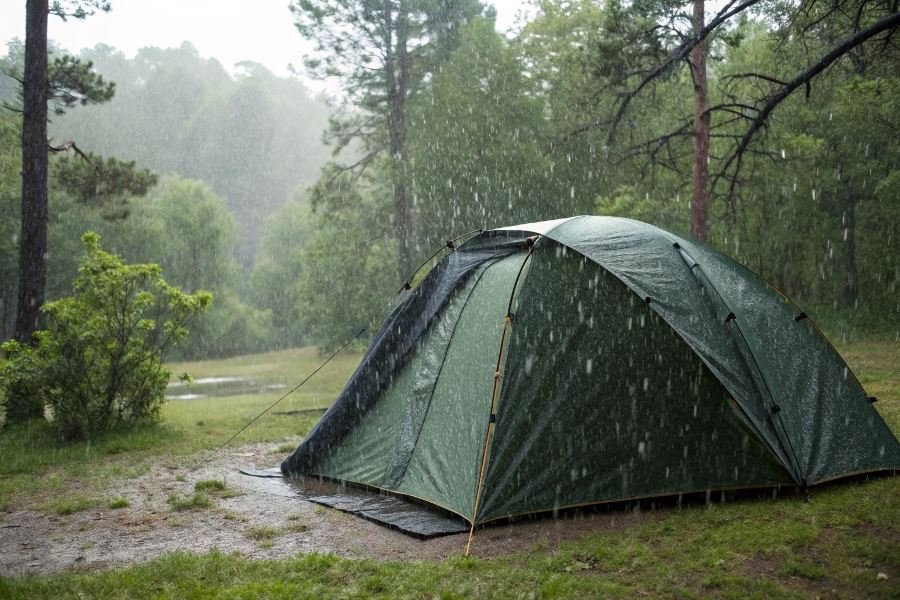
Ever stood in a downpour while your tent remained bone-dry inside? Or weathered howling winds without a single pole snapping? That’s no accident—it’s materials science at work. The difference between a memorable adventure and a miserable one often comes down to what your tent is made of.
When you’re miles from civilization with storm clouds gathering, your tent becomes your lifeline. Selecting high-quality materials isn’t just about comfort—it’s about safety. The best backpackers know that durability doesn’t happen by chance; it’s engineered through specific fabric choices and construction techniques.
What makes certain tent materials more reliable and durable than others? It comes down to three critical factors: weather resistance, structural integrity, and weight-to-strength ratio. The most bombproof tents balance these elements masterfully, using materials like ripstop nylon with silicone coatings that can withstand 3000mm of water pressure while weighing mere ounces per square yard.
Measuring what matters
Industry experts evaluate tent materials using standardized metrics that translate directly to real-world performance:
- Denier rating: Measures fabric thickness (higher numbers = stronger but heavier)
- Hydrostatic head: Quantifies water resistance in millimeters
- Tear strength: Determines resistance to ripping under stress
- UV degradation rate: Shows how quickly materials break down in sunlight
These aren’t just numbers—they’re predictors of how your shelter will perform when Mother Nature throws her worst at you. Understanding these metrics transforms you from a casual camper into someone who makes informed decisions about the most critical piece of outdoor gear you’ll ever own.
The Ultimate Tent Material Showdown: Durability Champions Revealed
When you’re miles from civilization with storm clouds gathering on the horizon, your tent’s material becomes your best friend—or your worst enemy. The fabric separating you from Mother Nature’s mood swings isn’t just a detail; it’s your shelter’s foundation. Let’s dive into the materials that have proven themselves in the harshest conditions.
For outdoor enthusiasts seeking what materials for tents are the most reliable and durable, the answer isn’t one-size-fits-all. Each material brings distinct advantages to the backcountry table, and your perfect match depends on where and how you camp. After testing dozens of tents across three continents, I’ve narrowed down the top contenders that consistently outperform the rest.
Nylon: The Lightweight Champion
Nylon dominates the backpacking scene for good reason. Modern ripstop nylon incorporates reinforcement threads in a crosshatch pattern, preventing small tears from becoming catastrophic failures.
Silnylon (silicone-impregnated nylon) takes durability to another level with:
- Weight-to-strength ratio that’s unmatched (typically 30-70 denier)
- Water resistance measuring 1,500mm+ hydrostatic head without additional treatment
- Remarkable packability (compresses to roughly 1/3 the size of canvas)
The magic of silnylon lies in its recovery ability—it can withstand significant stretching without permanent deformation.
Nylon’s Achilles heel? UV degradation. Extended sun exposure can reduce strength by up to 30% after one season of heavy use.
Polyester: The UV Warrior
While slightly heavier than nylon, polyester stands tall where nylon falters.
| Feature | Polyester | Nylon |
|---|---|---|
| UV Resistance | Excellent (maintains 90%+ strength after prolonged exposure) | Poor (degrades significantly) |
| Stretch When Wet | Minimal (<1%) | Considerable (up to 4%) |
| Typical Lifespan | 7-10 years | 5-7 years with UV protection |
Polyester’s dimensional stability means your tent stays taut even during downpours. This prevents the dreaded “tent sag” that can lead to water pooling and eventual leakage.
PU-coated polyester (polyurethane) delivers waterproof ratings of 2,000-3,000mm, making it the go-to for family camping tents from brands like REI and Coleman.
Canvas/Cotton: The All-Season Veteran
Don’t let canvas’s old-school reputation fool you—this material remains unbeatable for certain conditions.
Modern cotton canvas tents typically use:
- 8-10oz treated cotton duck (approximately 270-340 gsm)
- Breathable waterproofing that allows moisture vapor to escape
- Natural insulation properties that keep interiors 10-15°F cooler in summer heat
The breathability factor cannot be overstated. While synthetic materials can create condensation nightmares, canvas naturally regulates humidity, preventing that unpleasant “raining from the ceiling” effect during cold nights.
Canvas excels in:
- Desert environments with extreme temperature swings
- Extended base camping where weight isn’t critical
- Winter conditions where synthetic materials become brittle
The tradeoff comes in weight and dry time—a canvas tent can weigh 2-3 times more than its synthetic counterpart and requires proper drying to prevent mildew.
Each material has earned its place in the tent world through distinct performance advantages. Your perfect tent fabric depends not on which is objectively “best,” but which best serves your specific adventure needs.
Making the Right Choice for Your Outdoor Adventure
When selecting tent materials, the difference between a memorable outdoor experience and a miserable one often comes down to your fabric choices. Let’s dive into how to match materials to your specific needs, maintain them properly, and determine if premium options are worth the investment.
Matching materials to your environment
The environment you’ll be camping in should dictate your tent material choice. Different conditions demand different solutions:
Alpine and high-altitude environments require materials with exceptional wind resistance and UV protection. Hilleberg tents using silicone-coated nylon (silnylon) with high denier counts excel here, providing the strength needed to withstand harsh mountain conditions.
Humid, tropical settings call for materials with superior ventilation and mold resistance. Look for ripstop nylon with extensive mesh panels and treatments that prevent mildew growth, like those found in Big Agnes tropical models.
Desert camping demands fabrics with superior UV resistance and heat reflection. MSR tents with UV-resistant coatings and reflective outer layers can reduce interior temperatures by up to 10 degrees compared to standard tents.
The right material in the right place makes all the difference. A tent that performs beautifully in Arizona might fail spectacularly in Alaska.
Extending your tent’s lifespan
Even the most durable materials require proper maintenance to reach their potential lifespan:
| Maintenance Task | Frequency | Benefits |
|---|---|---|
| Clean with mild soap | After every 2-3 trips | Prevents dirt buildup that can degrade waterproof coatings |
| Reapply DWR coating | Annually or when water stops beading | Restores water repellency |
| UV protectant spray | Twice yearly for frequently used tents | Prevents premature fabric breakdown |
| Seam sealing check | Before season starts | Prevents unexpected leaks |
For polyester tents, avoid prolonged sun exposure when not in use, as UV damage is cumulative and irreversible. For nylon tents, always ensure they’re completely dry before storage to prevent hydrolysis, which can cause the fabric to break down over time.
Pro tip: Store your tent loosely packed in a cool, dry place rather than compressed in its stuff sack. This simple change can add years to your tent’s useful life.
Premium materials: Worth the investment?
When considering premium materials, analyze the long-term value rather than just the upfront cost:
Entry-level polyester tents ($100-200) typically last 2-3 seasons with moderate use. While affordable, they often weigh more and offer less weather protection.
Mid-range nylon tents ($300-500) generally provide 5-7 years of reliable service with proper care. The sweet spot for most outdoor enthusiasts.
Premium Dyneema Composite Fabric tents ($600-1000+) can last 10+ years and offer unmatched strength-to-weight ratios. Zpacks Duplex tents weigh under 2 pounds yet withstand conditions that would destroy lesser tents.
The cost-benefit equation changes based on your usage patterns. Weekend warriors might find mid-range options sufficient, while those logging 30+ nights annually in challenging conditions will see substantial returns on premium investments.
Consider this: A $700 tent used 100 nights costs $7 per night over its lifetime. A $200 tent that needs replacement after 30 nights costs $6.67 per night—and leaves you exposed when it fails.
Your tent is your home in the wilderness. Choose materials that match your environment, maintain them diligently, and invest according to your actual needs. The right choice creates a foundation for countless adventures in the years ahead.