
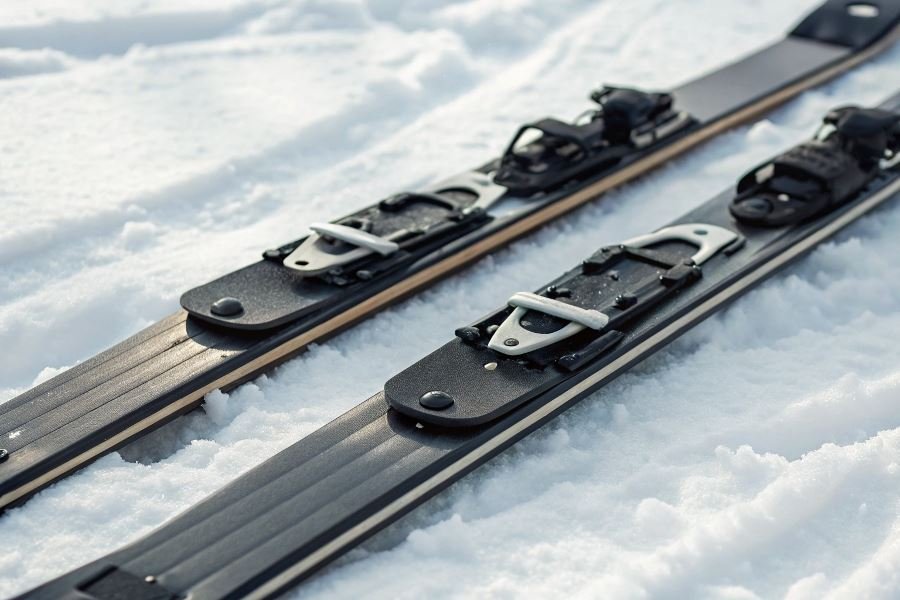
Ever wondered why some classic skiers glide effortlessly while others struggle with every stride? The secret often isn’t in the ski or the technique—it’s in that crucial connection point between boot and ski. The binding system you choose can make the difference between championship-level performance and frustrating mediocrity on the tracks.
Classic cross-country skiing has undergone a remarkable transformation since the primitive leather straps of the early 20th century. Today’s bindings represent engineering marvels that optimize power transfer while maintaining the natural movement essential to the classic technique. The market has consolidated around several key innovations, with NNN (New Nordic Norm) and Prolink systems dominating the landscape after Salomon’s pivot away from their proprietary SNS system in 2016.
When evaluating the elite binding options for classic skiing, three critical factors stand above all: stability during the kick phase, weight considerations for those long-distance events, and the binding’s ability to maintain consistent performance across varying temperature and snow conditions. The best bindings create a responsive platform that feels like a natural extension of your foot.
“The binding is your direct connection to the snow—it translates every subtle movement into forward momentum. Compromise here, and you compromise your entire skiing experience.”
Our selection process examined durability, weight, power transfer efficiency, and compatibility with modern boot systems to identify the three standout performers worthy of your consideration.
The Ultimate Binding Showdown: Classic Skiing’s Top Performers
When it comes to classic cross-country skiing, the connection between your boot and ski can make or break your experience on the trails. The binding system serves as the critical interface that transfers your energy directly to the ski, making your choice of hardware arguably as important as the skis themselves.
Selecting from the top 3 bindings for classic skiing requires understanding the nuances of each system’s design philosophy and performance characteristics. Let’s dive into what makes each of these binding systems stand out in today’s competitive market.
Rottefella NNN Performance Classic Binding
The Rottefella NNN Performance binding has earned its reputation through relentless refinement of the New Nordic Norm (NNN) system. Weighing in at just 230 grams per pair, these bindings offer an impressive strength-to-weight ratio that competitive skiers appreciate.
Design Brilliance:
- Dual-guide rails that enhance lateral stability
- Precision-engineered front lever mechanism for secure boot retention
- Optimized flex point that aligns with natural foot movement
The NNN Performance binding’s compatibility extends across virtually all NNN-compatible boots, making it a versatile choice for skiers who might switch between different boot brands. The binding’s standout feature is its exceptional snow-clearing capability—the open design prevents snow buildup that could compromise connection security.
Performance benefits become most apparent during powerful diagonal stride techniques, where the binding’s 45mm width platform provides outstanding power transfer while maintaining natural foot roll.
Salomon Prolink Classic Binding
Salomon’s Prolink system represents the company’s strategic pivot toward cross-compatibility, abandoning their proprietary SNS system to embrace a design compatible with NNN boots—a move that has dramatically expanded their market appeal since its introduction.
Technical specifications reveal thoughtful engineering:
| Feature | Specification | Benefit |
|---|---|---|
| Weight | 245g/pair | Balanced compromise between durability and weight |
| Platform Width | 40mm | Optimized for classic technique stability |
| Release Force | Adjustable | Customizable security for different skill levels |
The Prolink’s durability factors stand out particularly in harsh conditions. The binding incorporates corrosion-resistant materials and a simplified mechanism with fewer moving parts—translating to exceptional reliability even after multiple seasons of heavy use.
Skiers consistently report that the Prolink delivers a distinctive skiing experience characterized by a slightly stiffer flex pattern that favors powerful striders. The binding’s automatic jaw closure provides satisfying tactile and audible feedback when stepping in, confirming secure engagement.
Fischer Turnamic Classic Binding
The Fischer Turnamic represents the newest evolution in binding technology, developed in partnership with Rottefella but taking a bold new direction in adjustability and user experience.
Innovative Elements:
- Tool-free adjustability that allows on-trail positioning changes
- Integrated glide plate that reduces friction between binding and ski
- Streamlined step-in/step-out mechanism requiring minimal force
What truly distinguishes the Turnamic system is its revolutionary IFP (Integrated Fixing Point) mounting system, which enables forward/backward positioning adjustments without removing the binding. This innovation allows skiers to fine-tune their balance point based on snow conditions or technique focus—a game-changer for those who ski in varying conditions.
The terrain adaptability of the Turnamic system shines on challenging courses. Its slightly elevated platform height provides enhanced leverage during climbs, while the binding’s torsional rigidity maintains precision control during technical descents.
Each of these binding systems offers distinct advantages for classic skiing enthusiasts, with selection ultimately depending on personal preference, boot compatibility, and specific performance priorities.
Finding Your Perfect Classic Ski Binding Match
When it comes to classic cross-country skiing, your binding choice can make or break your experience on the trails. The right binding creates that perfect connection between boot and ski, delivering optimal power transfer while keeping you secure through every stride and glide.
Value vs. Investment: Breaking Down the Price Points
The binding market offers options across several price tiers, each with distinct advantages:
Entry-Level Value ($50-80): Bindings like the Rottefella Start deliver reliable performance without breaking the bank. These bindings prioritize simplicity and durability over advanced features, making them perfect for recreational skiers who hit the trails occasionally.
Mid-Range Performance ($80-120): The Salomon Prolink Access represents this sweet spot where value meets enhanced performance. You’ll notice improved power transfer and more precise control without the premium price tag of elite options.
Premium Experience ($120-180): The Fischer Turnamic Race Classic exemplifies high-end binding technology with superior materials, reduced weight, and performance-enhancing features that serious skiers will appreciate.
The price difference between entry-level and premium bindings might seem substantial, but when amortized over years of use, the investment in higher-quality bindings often pays dividends in performance and durability.
Matching Bindings to Your Skiing Profile
Your binding selection should align with your experience level and skiing style:
| Skier Type | Recommended Binding | Key Benefits |
|---|---|---|
| Beginners | Rottefella Start | Easy entry/exit, forgiving performance, durability |
| Intermediate | Salomon Prolink Access | Better power transfer, more precise control, versatility |
| Advanced | Fischer Turnamic Race | Maximum efficiency, lightweight design, performance-focused |
For recreational skiers, prioritize ease of use and reliability. The Rottefella Start binding excels here with its straightforward design and consistent performance in varied conditions.
For fitness-focused skiers who log regular kilometers, the Salomon Prolink Access offers that perfect balance of performance and value, with enough technical features to support your development without overwhelming you.
For competitive skiers, the Fischer Turnamic Race delivers the precision and efficiency needed for race-day performance, with weight savings that become increasingly noticeable over longer distances.
Installation and Compatibility Considerations
Before making your final decision, consider these crucial compatibility factors:
Boot Compatibility: Modern classic bindings follow either the NNN (Nordic Norm) or Prolink/Turnamic systems. Your boots must match your binding system—there’s no crossover compatibility between these platforms.
Mounting Requirements:
- Rottefella bindings typically use the NNN system with a standardized mounting pattern
- Salomon Prolink bindings are compatible with NNN mounting patterns
- Fischer Turnamic bindings use their proprietary IFP (Integrated Fixation Plate) system
If you’re upgrading existing equipment, verify your skis have the appropriate mounting plates or be prepared to install new ones.
DIY vs. Professional Installation: While mounting bindings yourself is possible with the right tools and knowledge, professional mounting ensures optimal positioning based on your skiing style and physical characteristics. Most specialty ski shops charge $20-40 for binding installation, a worthwhile investment for perfect alignment.
The binding you choose creates the critical connection between your energy and the snow beneath you. By matching your binding to your experience level, considering the value proposition at different price points, and ensuring proper installation and compatibility, you’ll set yourself up for countless enjoyable kilometers on the classic tracks.