
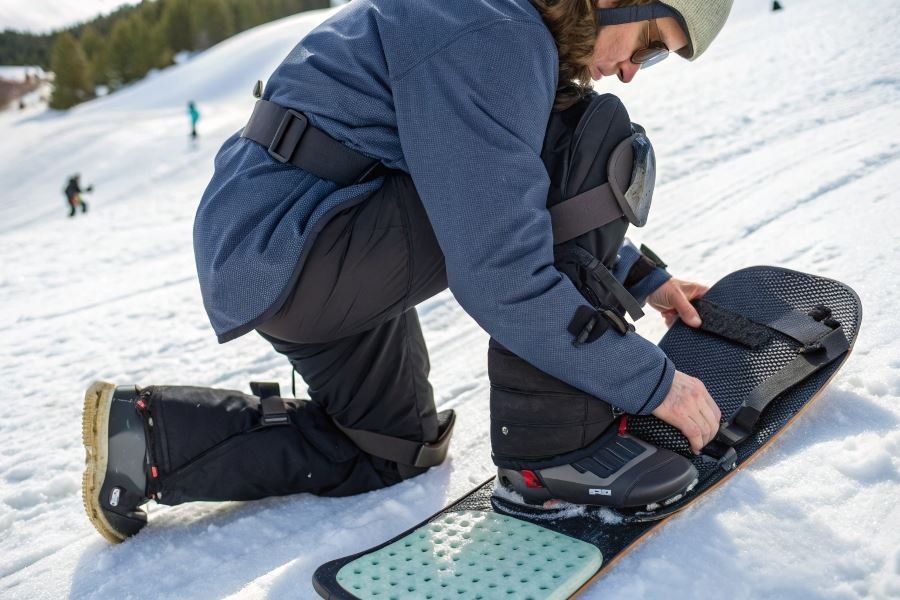
That sickening thud when you catch an edge and slam onto packed snow? It’s a sound every snowboarder dreads. That split-second between losing balance and impact can lead to weeks of painful recovery—especially when your tailbone takes the hit.
Snowboarding injuries to the coccyx and buttocks region aren’t just painful—they’re surprisingly common. Studies from the American Journal of Sports Medicine show that tailbone injuries account for nearly 11% of all snowboarding-related trauma, with beginners at highest risk. One bad fall can sideline you for an entire season.
The evolution of protective gear for snowboarders tells an interesting story. Early riders in the 1970s and 80s relied on makeshift protection or nothing at all. Today’s impact shorts incorporate advanced materials like D3O® that remain flexible during normal movement but instantly harden upon impact—dispersing force across a wider area to minimize injury risk.
Why does this matter? Because modern snowboarding pushes boundaries that were unimaginable just decades ago. Whether you’re hitting terrain parks with 20-foot jumps or simply learning to link turns, your body deserves strategic protection where it’s most vulnerable.
The tailbone—that small collection of fused vertebrae at the base of your spine—has virtually no natural padding. When you fall backward while strapped to a board, those vertebrae absorb tremendous force. Quality impact protection doesn’t just prevent injury; it gives you the confidence to progress faster, knowing you’ve got backup when gravity wins.
The Science of Impact: Choosing Buttocks and Coccyx Protection
When you’re carving down a mountain at high speed, the last thing you want is a tailbone injury derailing your season. The right protective gear can mean the difference between shaking off a fall and spending weeks in recovery. Let’s dive into the technical aspects that make some impact shorts worth their weight in gold.
Selecting appropriate protection for the buttocks and coccyx for snowboarding requires understanding both material science and your personal riding style. The best protection doesn’t just absorb impact—it distributes force, maintains mobility, and becomes a second skin you barely notice until that inevitable moment when you need it most.
Impact Absorption Technology: Not All Padding Is Created Equal
The heart of any protective gear is its impact-absorbing materials. Three technologies currently dominate the market:
D3O Technology: This revolutionary material contains molecules that flow freely under normal conditions but lock together upon impact. The science is fascinating—D3O can absorb up to 90% of impact energy while remaining flexible during normal movement.
Memory Foam: Adapts to body contours and slowly returns to shape after compression, providing customized protection that molds to your unique anatomy.
EVA Foam: Ethylene-vinyl acetate offers excellent shock absorption with minimal weight penalty. Higher density EVA (measured in kg/m³) provides greater protection but less flexibility.
| Material | Impact Absorption | Flexibility | Weight | Price Range |
|---|---|---|---|---|
| D3O | Excellent | High | Light | $80-150 |
| Memory Foam | Very Good | Medium | Medium | $50-100 |
| EVA Foam | Good | Medium-High | Very Light | $30-80 |
Finding Your Perfect Fit
Protection that doesn’t stay in place is protection that fails when you need it most. Consider these sizing guidelines:
Waist-to-Thigh Ratio: Most protective shorts use waist measurements, but thigh circumference matters equally. Look for adjustable waistbands with silicone grippers that prevent migration during aggressive riding.
Coverage Area: Tailbone-specific protectors focus protection on a smaller area, while full impact shorts distribute padding across hips, thighs, and coccyx. Measure from your waistline to mid-thigh to ensure adequate coverage.
Pro tip: Wear your base layers when trying on protective gear to simulate real-world conditions.
Mobility vs. Protection: Balancing Act
Your riding style dictates the protection-to-mobility ratio you’ll need:
Park Riders: If you’re hitting big features and spending time in the air, prioritize maximum protection with multi-layer padding systems from brands like Burton or Demon. The additional bulk is worth the confidence on technical landings.
All-Mountain Cruisers: A balanced approach works best—look for low-profile protectors with strategic padding placement that concentrates protection at the coccyx while maintaining range of motion through the hips.
Backcountry Explorers: Consider lightweight, breathable options with moisture-wicking properties. G-Form offers protection that hardens on impact but remains incredibly flexible during hiking and riding.
Remember that the best protection is the one you’ll actually wear. Even the most technically advanced impact shorts become useless if they’re too uncomfortable to keep on all day. The perfect balance allows you to forget you’re wearing protection until that unexpected edge catch reminds you why you invested in quality gear in the first place.
The Ultimate Protection Trio for Your Snowboarding Assets
When you’re carving down slopes at high speeds, your tailbone shouldn’t be the emergency brake. Let’s dive into the three most effective protection systems that keep your posterior safe while you push your snowboarding limits.
Integrated Padded Shorts: The All-in-One Solution
Integrated padded shorts represent the gold standard in buttocks and coccyx protection. These technical undergarments feature strategically placed padding that moves with your body while absorbing impacts that would otherwise leave you sidelined.
What makes them exceptional:
- Anatomically designed padding that concentrates protection around the tailbone
- Moisture-wicking fabrics that keep you dry during intense sessions
- Seamless integration with your regular snowboarding attire
The Burton Total Impact Short exemplifies this category with its G-Form™ technology that hardens on impact yet remains flexible during normal movement. These shorts distribute protection across the hips, thighs, and most importantly, that vulnerable coccyx area.
Most integrated options add only 4-8mm of bulk while reducing impact forces by up to 90%—protection that’s practically invisible until you need it.
Standalone Impact Shorts: Maximum Protection When It Matters
For riders tackling technical terrain or pushing boundaries in the park, standalone impact shorts deliver comprehensive protection with enhanced coverage.
These purpose-built protectors typically feature:
| Feature | Benefit |
|---|---|
| Thicker padding (8-15mm) | Superior impact absorption |
| Removable pads | Customizable protection zones |
| Reinforced stitching | Durability through multiple seasons |
| Extended coverage | Protection beyond just the tailbone |
The Demon Flex-Force X D3O shorts incorporate military-grade D3O material that remains soft and pliable until impact, when it instantly transforms into a shock-absorbing shield. This technology has revolutionized protection without sacrificing mobility.
Pro tip: Standalone shorts typically offer 30-40% more impact resistance than integrated options, making them ideal for riders attempting technical jumps or rails.
Low-Profile Protective Pads: Minimalist Protection
For riders who prioritize mobility and minimal bulk, low-profile pads offer targeted protection exactly where you need it most.
These sleek solutions include:
- Tailbone-specific pads that attach directly to compression shorts
- Adhesive gel pads that can be positioned precisely where needed
- Ultra-thin impact plates that slide into specially designed pockets
The POC VPD Air Tailbone Protector weighs just 85 grams yet provides remarkable protection through its viscoelastic polymer that absorbs and disperses impact energy.
These minimalist options add less than 5mm of bulk while still reducing impact forces by 60-70%—perfect for experienced riders who rarely fall but want insurance against the unexpected.
When selecting your protection, consider your riding style, terrain preferences, and comfort requirements. Remember that the best protection is the one you’ll actually wear consistently—finding the right balance between protection and comfort ensures you’ll stay protected throughout your snowboarding adventures.