
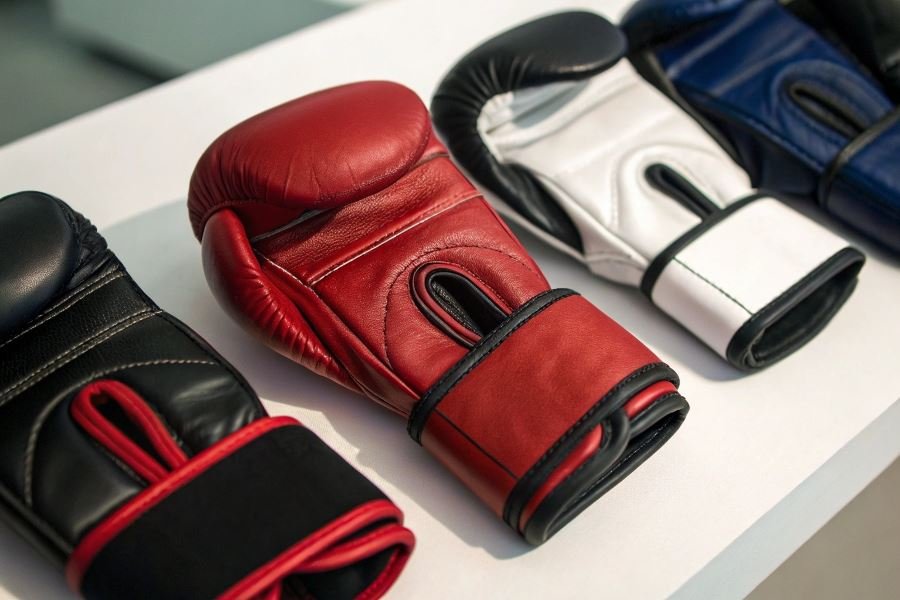
Ever watched a fighter’s hands become a blur of precision and power? Behind every knockout punch and devastating clinch lies a crucial piece of equipment that’s far from one-size-fits-all: the combat glove.
The differences between boxing, kickboxing, and Muay Thai gloves aren’t just marketing gimmicks—they’re engineering solutions to distinct fighting styles. Boxing gloves feature a closed thumb design with extra padding across the knuckles, creating a uniform striking surface for those straight punches and hooks. Kickboxing gloves, meanwhile, offer more flexibility with a semi-open palm, balancing protection with the dexterity needed for catching kicks. Muay Thai gloves? They’re the most versatile of the trio, with a shorter cuff and more evenly distributed padding to facilitate clinching and blocking kicks.
“Using the wrong gloves isn’t just uncomfortable—it’s like bringing scissors to a knife fight.” — Professional fight coach
Protection meets performance
The right glove doesn’t just prevent injury—it enhances your fighting style. Boxing’s padded fist design creates that satisfying thud when connecting with a heavy bag, while the more flexible Muay Thai glove allows fighters to grab an opponent’s neck in the clinch. Kickboxers benefit from a middle-ground design that accommodates both punching combinations and defensive maneuvers.
Studies show that improper glove selection increases hand injury risk by up to 60%. Beyond safety, your glove choice fundamentally shapes your fighting strategy—boxers can throw combinations with confidence behind properly padded knuckles, while Muay Thai fighters need the palm mobility to transition from strikes to clinch work seamlessly.
The bottom line: Your combat sport deserves its specialized hand protection. The right glove doesn’t just guard your hands—it becomes an extension of your fighting philosophy.
The Anatomy of Combat: Glove Design Across Fighting Disciplines
When you slip your hand into a fighting glove, you’re not just wearing protection—you’re wielding a specialized tool designed for your combat style. The structural architecture of boxing, kickboxing, and Muay Thai gloves reveals fascinating differences between gloves for boxing, kickboxing, and Muay Thai that directly impact performance, protection, and fighting technique. Let’s break down these crucial design variations that can make or break your training session.
Weight distribution and padding priorities
The padding distribution in combat gloves isn’t random—it’s strategic engineering at work.
Boxing gloves feature concentrated padding across the knuckle area and front of the fist. This design creates a more uniform striking surface, with approximately 60% of the padding focused on the knuckle area to absorb the repeated straight punches that define the sport.
Kickboxing gloves distribute weight more evenly, with a slightly tapered design that balances protection with the versatility needed for both punching and blocking kicks.
Muay Thai gloves take a different approach entirely, with a more flexible padding distribution that allows for clinching techniques. The padding is often more evenly distributed around the hand, including the sides and palm areas.
| Glove Type | Primary Padding Location | Weight Distribution | Typical Impact Absorption |
|---|---|---|---|
| Boxing | Front knuckle area | Front-heavy | High on direct impact |
| Kickboxing | Knuckles with balanced sides | Balanced | Medium-high all around |
| Muay Thai | Evenly distributed | Slightly back-weighted | Medium with flexibility |
Wrist support systems that define performance
The wrist closure system isn’t just about keeping gloves on—it’s about structural integrity during combat.
Boxing gloves typically feature the most robust wrist support, with longer cuffs extending 4-5 inches up the forearm. This design prevents wrist hyperextension during powerful straight punches. Traditional boxing gloves use lace-up closures for competition, while training versions employ hook-and-loop (Velcro) systems from brands like Everlast for convenience.
Kickboxing gloves strike a balance with medium-length cuffs (3-4 inches) and typically use secure Velcro closures that allow for quick removal between combination drills.
Muay Thai gloves feature a distinctive design element: shorter, more flexible wrist cuffs that typically measure 2-3 inches. This design from manufacturers like Fairtex allows for the wrist mobility needed in clinch fighting while still providing adequate support for striking.
Hand compartment architecture
The internal design of combat gloves reveals perhaps the most significant functional differences.
Boxing gloves feature a tight, pre-curved hand compartment that naturally positions the fist for punching. The thumb is typically attached and positioned alongside the fist to prevent eye pokes and thumb injuries.
Kickboxing gloves incorporate a semi-curved design with a slightly more open hand position, allowing fighters to transition between punching and catching kicks.
Muay Thai gloves have the most distinctive hand compartment design, with:
- A more open palm area for catching techniques
- Thumb position set slightly higher and more separated
- Flexible finger compartments that allow for clinching
This architectural difference enables Muay Thai fighters to grab an opponent’s neck in the clinch or catch kicks—techniques that would be nearly impossible in traditional boxing gloves.
Understanding these structural nuances isn’t just technical trivia—it’s essential knowledge for selecting equipment that enhances your fighting style rather than restricting it. The right glove design can be the difference between developing proper technique and reinforcing bad habits that could follow you throughout your combat sports journey.
Punch Perfect: Choosing the Right Gloves for Your Combat Sport
Key considerations for combat glove selection
Selecting the right gloves for your combat sport isn’t just about comfort—it’s about performance and safety. The differences between boxing, kickboxing, and Muay Thai gloves are subtle but significant, affecting everything from your striking technique to injury prevention.
When choosing your combat gloves, focus on these critical factors:
Weight distribution – Boxing gloves concentrate padding at the knuckles for straight punches, while Muay Thai gloves distribute weight more evenly to facilitate clinching and blocking kicks.
Wrist support – Kickboxing gloves typically offer a middle ground with moderate wrist support, whereas boxing gloves feature rigid wrist stabilization to prevent injuries during powerful hooks and uppercuts.
Thumb position – Muay Thai gloves often feature a more flexible thumb design, allowing for better grip during clinch work—something you won’t find in traditional boxing gloves.
Palm design – Open palm designs in Muay Thai gloves facilitate catching kicks and clinching, while boxing gloves prioritize a closed fist position for punching power.
The right glove doesn’t just protect your hands—it enhances your fighting style and technical capabilities in your chosen discipline.
Top performers for each combat sport
Boxing gloves champions
-
Winning MS-600 – The gold standard for professional boxers, offering unparalleled knuckle protection and wrist support. At $299, they’re an investment that serious boxers swear by.
-
Cleto Reyes Training Gloves – Known for their sleek profile and puncher-friendly design, these Mexican-made gloves provide exceptional feedback on impact.
-
Hayabusa T3 Boxing Gloves – Featuring their patented dual-strap closure system, these gloves offer technical boxers precise wrist alignment and superior protection.
Kickboxing gloves standouts
-
Venum Elite Boxing Gloves – The curved anatomical design makes these perfect for kickboxers who need versatility for both punches and blocks.
-
Twins Special BGVL-3 – Though marketed for Muay Thai, their balanced padding makes them excellent all-around kickboxing gloves.
-
Hayabusa T3 LX – With their thermoregulating lining and balanced weight distribution, these premium gloves excel in kickboxing’s varied techniques.
Muay Thai gloves elite
-
Fairtex BGV1 – The tight-fitting design with evenly distributed padding makes these the go-to for serious Nak Muays worldwide.
-
Top King Super Air – Extra padding on the back of the hand provides superior protection when blocking kicks—a Muay Thai essential.
-
Yokkao Matrix – Featuring a more flexible thumb and wrist design, these gloves excel in the clinch while maintaining solid protection.
Extending glove lifespan across disciplines
Combat sport gloves represent a significant investment, and proper maintenance dramatically extends their usability:
Post-training care:
- Boxing gloves: Stuff with newspaper and store in a well-ventilated area—never in your gym bag
- Kickboxing gloves: Wipe down with antibacterial spray after each use
- Muay Thai gloves: Use dedicated glove deodorizers as the open palm design can trap moisture
Material-specific maintenance:
- Leather gloves (common in boxing): Apply leather conditioner quarterly
- Synthetic gloves (popular in kickboxing): Clean with mild soap and water monthly
- Hybrid materials (seen in many Muay Thai gloves): Avoid direct sunlight when drying
Rotation strategy: Serious practitioners should maintain two pairs of gloves, rotating them between sessions to allow complete drying and prevent premature breakdown of padding.
Remember that your gloves are your primary weapon and defense system—treat them accordingly, and they’ll serve you well through countless rounds of training and competition.