
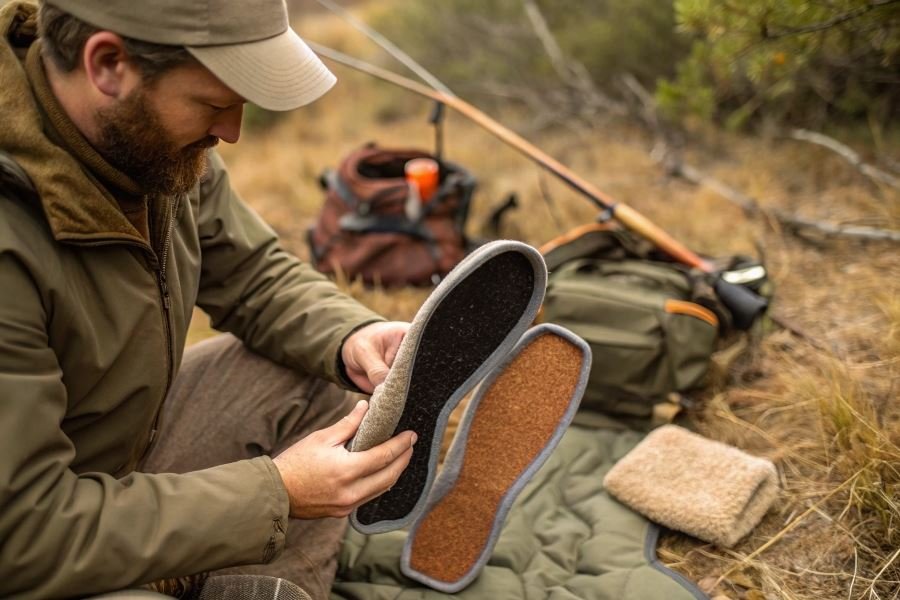
Ever stood in a frigid stream for hours, only to feel that telltale squish of a deteriorating insole beneath your foot? That moment signals not just discomfort, but the beginning of a cascade of problems that can cut your fishing expedition short and damage your expensive boots.
Quality insoles are the unsung heroes of fishing footwear. They don’t just cushion your feet—they’re the critical interface between you and the terrain, absorbing shock, providing stability, and preventing moisture buildup. When properly maintained, they transform an ordinary fishing boot into a precision tool that keeps you focused on the catch, not your aching arches.
The fishing environment is brutally hard on insoles. Constant moisture exposure, temperature fluctuations, and the corrosive effects of minerals and salt create a perfect storm for deterioration. Add the pressure points created during wading, and it’s no wonder most anglers replace insoles far more frequently than necessary.
Smart insole maintenance pays dividends beyond comfort. Properly cared-for insoles protect your boot structure, preventing premature breakdown of the boot itself. They also support proper foot alignment, reducing fatigue and preventing long-term foot issues that can develop from hours spent on uneven riverbeds.
The difference between replacing insoles every few months versus once a year isn’t just about saving money—it’s about consistent performance when you need it most. Those critical moments when you’re balanced on slippery rocks, tracking a trophy fish, demand footwear you can trust completely.
Maximize Your Insole Investment for Fishing Success
Let’s face it—quality fishing boots aren’t cheap, and neither are their specialized insoles. But with proper care, you can dramatically extend their lifespan while maintaining peak performance on the water. The secret to extending the lifespan of insoles for fishing boots lies in three core maintenance practices that take just minutes but save you serious cash over time.
Clean and dry after every adventure
Nothing destroys fishing boot insoles faster than trapped moisture and debris. After each fishing expedition, remove your insoles completely from your boots—this isn’t optional, it’s essential for maximum longevity.
First, knock off loose dirt and debris. Then, using a soft brush and mild soap solution (think one teaspoon of Dr. Bronner’s to a quart of water), gently scrub both sides of the insole. Pay special attention to the heel and ball areas where compression and odor-causing bacteria concentrate.
“The difference between insoles that last three months versus three years often comes down to the first 10 minutes after you take your boots off.”
Rinse thoroughly with clean water, but never submerge high-tech insoles completely—especially those with gel components or electronic features. Pat dry with a towel, then air-dry naturally away from direct heat sources which can warp materials and break down adhesives. A well-ventilated area at room temperature is ideal, allowing 24-48 hours of drying time between uses.
Rotation is revolution
Professional anglers swear by insole rotation systems. By alternating between two or three pairs of identical insoles, you:
- Allow complete drying between uses
- Distribute compression stress more evenly
- Significantly slow down material breakdown
Implementing a smart rotation strategy can extend insole life by up to 70% according to durability testing. This approach works particularly well with memory foam and EVA foam insoles that need recovery time to regain their supportive properties.
Strategic storage saves support
How you store insoles when not in use dramatically affects their performance and lifespan. The ideal storage approach includes:
| Storage Factor | Best Practice | Why It Matters |
|---|---|---|
| Temperature | 50-70°F (10-21°C) | Prevents material degradation |
| Position | Flat, uncompressed | Maintains support structure |
| Container | Breathable mesh bag | Prevents moisture buildup |
| Location | Dark, dry area | UV light degrades materials |
Never store insoles inside boots for extended periods—this traps moisture and creates perfect conditions for mold growth and material breakdown. Instead, use a dedicated storage solution like a Fishpond Ripple Reel Case (which works perfectly for insoles despite being designed for reels).
For high-end insoles with carbon fiber or specialized support structures, consider using cedar shoe trees to maintain shape during storage. The natural moisture-wicking properties of cedar help preserve the structural integrity of your insoles while eliminating odors.
By implementing these maintenance practices consistently, you’ll not only extend insole life but also maintain the foot support and comfort that keeps you fishing effectively through long days on the water. Your feet—and wallet—will thank you.
Extending Your Insoles’ Life: Advanced Solutions and Replacement Indicators
Waterproofing treatments that actually work
Let’s face it—water is the arch-nemesis of fishing boot insoles. But with the right waterproofing strategy, you can dramatically extend their lifespan. Silicone-based sprays create an invisible shield that repels water without compromising breathability. Apply Nikwax Footwear Waterproofing every 3-4 fishing trips for optimal protection.
For those serious about protection, consider this game-changing approach: dual-layer treatment. First, apply a wax-based waterproofer to create a base barrier, then follow with a spray-on repellent. This combination creates a fortress against moisture that can add months to your insoles’ life.
The difference between amateur and pro-level insole care isn’t just what products you use—it’s the consistency of application. Even the best waterproofing fails if you wait until water damage appears.
Temperature matters too. Applying waterproofing treatments at room temperature allows for better penetration and bonding with the insole material. Never rush the drying process with direct heat—natural air drying creates a more durable barrier.
Salvage operations for worn insoles
Before tossing those partially worn insoles, try these repair techniques that can buy you significant extra mileage:
Heel and arch reinforcement works wonders for the most common wear points. Using Shoe Goo adhesive, apply a thin layer to compressed areas and allow 24 hours to cure completely. This creates a durable patch that can extend life by 30-40%.
For delaminating insoles, the stitch-and-seal method provides remarkable results:
| Step | Technique | Materials Needed |
|---|---|---|
| 1 | Clean and dry thoroughly | Isopropyl alcohol |
| 2 | Apply thin adhesive layer | Waterproof adhesive |
| 3 | Press firmly and clamp | Binder clips |
| 4 | Reinforce with small stitches | Nylon thread |
| 5 | Seal stitches with waterproof sealant | Silicone sealant |
For insoles with compressed cushioning, try the foam injection revival. Using a small syringe, inject expanding foam adhesive into the compressed areas. This restores cushioning while maintaining the molded shape your feet have created.
When to admit defeat and replace
Even with meticulous care, insoles eventually reach the end of their useful life. Recognizing these non-negotiable replacement indicators saves your feet and your fishing experience:
Structural breakdown is the most obvious sign—when you see cracks extending through multiple layers or feel the insole collapsing under pressure, it’s time to replace. No amount of repair can restore structural integrity once the core materials fail.
Persistent odor that remains after cleaning signals bacterial colonization deep within the materials. This not only affects comfort but can lead to foot health issues. If two thorough cleanings with enzymatic cleaner don’t resolve the smell, replacement is your only option.
The compression test never lies: press your thumb firmly into the heel and arch areas. If the material doesn’t rebound within 1-2 seconds, the cushioning properties have degraded beyond recovery, and your feet are absorbing impact they shouldn’t be.
Remember that even premium insoles typically last 300-500 hours of active fishing. Track your usage—when you’re approaching these numbers and notice even minor signs of wear, it’s smarter to replace preemptively than risk discomfort on your next expedition.