
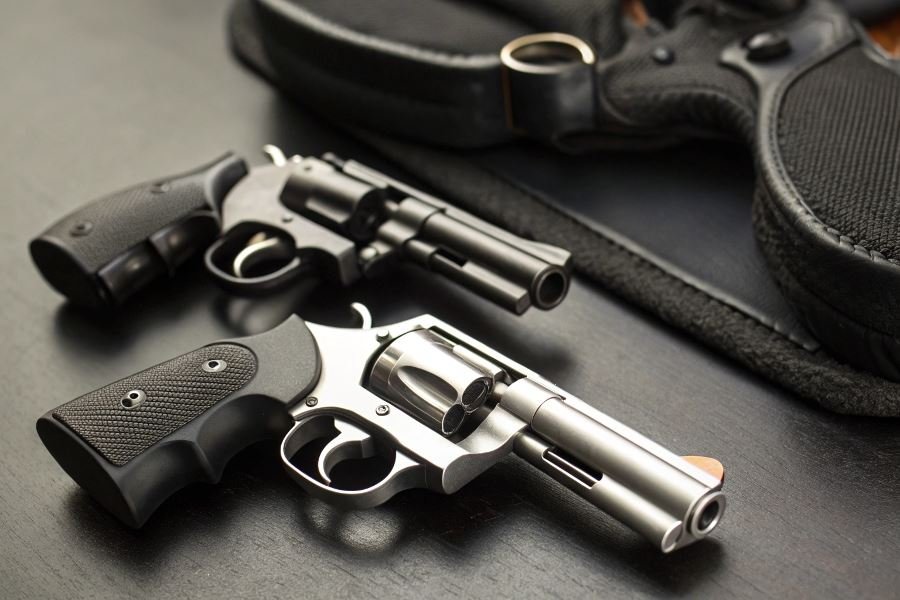
Ever wondered why some air guns fly under the radar of firearms regulations while others require paperwork that rivals a mortgage application? The answer lies in a fascinating intersection of engineering specifications, legal definitions, and regulatory thresholds that determine which pneumatic pistols you can pick up as easily as a carton of milk.
Pneumatic pistols—those air-powered marvels that propel projectiles using compressed air rather than gunpowder—occupy a unique position in American sporting culture. Unlike their firearm cousins, many pneumatic pistols don’t trigger the same regulatory red flags. But here’s the catch: not all air guns are created equal in the eyes of the law.
At the federal level, the Bureau of Alcohol, Tobacco, Firearms and Explosives (ATF) doesn’t classify traditional air guns as “firearms,” which immediately removes them from federal firearms licensing requirements. However, this federal leniency comes with important caveats: pneumatic pistols must generally stay under certain velocity thresholds—typically 700-1200 feet per second depending on the projectile—to maintain their “non-firearm” status.
The regulatory landscape gets considerably more complex at the state and local levels. States like New Jersey and Illinois impose stricter controls, while others maintain a hands-off approach. The determining factors typically include:
- Muzzle velocity and energy output: Lower-powered models generally avoid permit requirements
- Projectile type: BB vs. pellet can make a regulatory difference
- Design characteristics: Resemblance to conventional firearms can trigger additional restrictions
- Intended use: Target shooting vs. hunting applications face different scrutiny
Understanding these distinctions isn’t just about legal compliance—it’s about making informed choices that match your sporting needs without unnecessary regulatory hurdles.
Permit-Free Pneumatic Pistols Explained
Low-Powered Options That Keep You Legal
The world of pneumatic pistols offers plenty of options for enthusiasts who want to avoid the paperwork hassle. Understanding which pneumatic pistols do not require a permit can save you time and potential legal headaches while still letting you enjoy the sport. Most states follow federal guidelines that exempt air pistols operating below specific velocity thresholds – typically those shooting projectiles under 500 feet per second (fps).
The Crosman 1377 American Classic stands as a perfect example, generating only about 450 fps with standard pellets. Similarly, the Daisy 717 Target operates at approximately 420 fps, making it ideal for backyard plinking without permit concerns. These lower-powered models provide excellent accuracy for target practice while staying comfortably within legal limits.
Key velocity thresholds to remember:
- Under 500 fps: Generally permit-free in most states
- 350-450 fps: Ideal for backyard target practice
- Below 350 fps: Perfect for indoor shooting galleries
Recreational and Competition Models
The recreational and competition segment offers some of the most sophisticated permit-exempt options. These pneumatic pistols are specifically designed for target shooting competitions and casual recreational use, with velocity profiles that keep them within non-regulated parameters.
The Beeman P17 delivers impressive accuracy at just 410 fps, making it a tournament favorite that doesn’t trigger permit requirements. For those seeking premium quality, the Air Arms Alpha provides match-grade performance while staying under regulatory thresholds.
What separates these models from their higher-powered cousins isn’t just velocity – it’s their purpose-built design focusing on precision rather than power.
| Model | Velocity (fps) | Permit Required | Best Use Case |
|---|---|---|---|
| Crosman 1377 | 450 | No | All-around target |
| Beeman P17 | 410 | No | Competition |
| Daisy 717 | 420 | No | Training |
| Air Arms Alpha | 480 | No | Match shooting |
Historical and Replica Pneumatics
Antique pneumatic pistols and their modern replicas often enjoy special exemptions from permit requirements. Models manufactured before 1898 are typically classified as antiques under federal law, exempting them from modern firearm regulations regardless of their velocity capabilities.
The Umarex Legends series offers faithful reproductions of historical firearms that function as modern air pistols while maintaining the aesthetic appeal of their firearm counterparts. These replicas typically operate at velocities between 380-450 fps, keeping them within permit-free parameters while delivering an authentic historical shooting experience.
What qualifies as exempt in the replica category:
- Authentic reproductions of pre-1898 designs
- Modern replicas that maintain sub-500 fps velocities
- Collectible models with historical significance
It’s worth noting that even permit-exempt pneumatic pistols must be handled responsibly. Many manufacturers like Gamo include comprehensive safety guides with their products, emphasizing proper handling techniques and appropriate shooting environments.
Remember that while federal guidelines provide a framework, local regulations can vary significantly. Always verify your specific state and municipal laws before purchasing, as urban areas often have stricter regulations than rural communities, even for low-powered pneumatic pistols.
Owning Permit-Free Pneumatic Pistols Responsibly
When you’re diving into the world of pneumatic pistols that don’t require permits, responsibility becomes your most important accessory. Let’s break down how to approach ownership with the right mindset, safety protocols, and regulatory awareness that will keep you shooting safely for years to come.
Smart purchasing decisions matter
Purchasing a permit-free pneumatic pistol isn’t just about finding the best deal—it’s about making informed choices that align with your needs and local regulations.
Research before you buy. The difference between a quality Crosman P1377 and a bargain-bin knockoff isn’t just performance—it’s safety. Established manufacturers maintain rigorous testing standards that protect you and those around you.
When shopping, prioritize models with:
- Clear velocity ratings (typically under 500 fps for permit-free models)
- Robust safety mechanisms that can’t be easily disabled
- Quality construction materials that won’t deteriorate with use
- Established warranty support from manufacturers with longevity
The cheapest option rarely remains the most economical over time. Investing in quality means fewer replacements, repairs, and potential safety issues down the road.
Safety isn’t optional
The freedom of permit-free ownership comes with the responsibility of implementing proper safety protocols—always.
Treat every pneumatic pistol as if it were loaded. This golden rule has prevented countless accidents among both novice and experienced users. Even low-powered models can cause serious injury when mishandled.
Establish these non-negotiable safety habits:
| Safety Practice | Implementation |
|---|---|
| Designated shooting areas | Use proper backstops that can safely stop projectiles |
| Storage protocol | Secure in locked cases, separate from ammunition |
| Regular maintenance | Check seals, pressure systems, and triggers monthly |
| Eye protection | Always wear impact-rated safety glasses during use |
“Safety isn’t just about preventing accidents—it’s about creating an environment where the sport can be enjoyed without unnecessary risk.”
Store your pneumatic pistols in locations inaccessible to children and unauthorized users. Many manufacturers like Gamo offer trigger locks as standard equipment—use them consistently, not just when children are present.
Regulatory awareness keeps you shooting
The regulatory landscape for pneumatic pistols evolves constantly, and staying informed protects your investment and your right to enjoy the sport.
Local regulations trump national guidelines. While federal law may not require permits for sub-500 fps pneumatic pistols, your city or county might have stricter requirements. Resources like the Airgun Laws database can help you navigate these variations.
Develop these regulatory awareness habits:
- Subscribe to newsletters from major retailers like Pyramyd Air that track regulatory changes
- Join online communities where regulatory updates are frequently discussed
- Check local ordinances before traveling with your pneumatic pistol
- Maintain documentation of your purchase for proof of specifications
Transport your pneumatic pistols properly. Even permit-free models should be unloaded, cased, and stored out of reach during transport. This not only prevents accidents but also demonstrates responsible ownership if questioned.
The freedom to own permit-free pneumatic pistols comes with the obligation to be their most responsible steward. By purchasing wisely, prioritizing safety, and staying informed about regulations, you’re not just protecting yourself—you’re preserving the accessibility of the sport for future enthusiasts.