
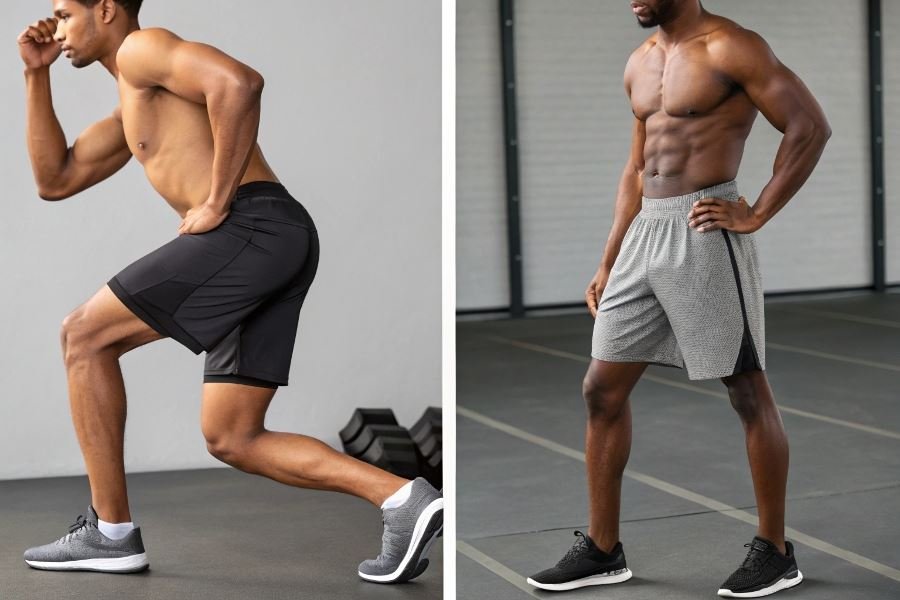
Ever watched an athlete constantly adjusting their shorts during a crucial game moment? That split-second distraction can be the difference between victory and defeat. Finding the right fit isn’t just about comfort—it’s about performance optimization.
When NBA superstar LeBron James steps onto the court, his shorts aren’t just randomly selected. They’re precisely fitted to allow explosive movements while staying perfectly in place. Your athletic performance deserves the same attention to detail.
The challenge? Men’s sports shorts sizing varies dramatically across brands and sports. Basketball shorts traditionally hang looser and longer, while running shorts often feature a more compact, streamlined fit. A medium in Nike might feel completely different from a medium in Under Armour or Adidas.
Three key measurements make all the difference:
- Waist circumference (the foundation of proper fit)
- Inseam length (determining how far shorts extend down your leg)
- Hip width (ensuring comfortable movement without restriction)
“The right shorts should feel like they’re not even there. That’s when you know you’ve found your perfect match.” — Professional trainer insights
Beyond numbers, consider your movement patterns. Tennis players need shorts allowing lateral lunges, while cyclists require padding in specific areas. The perfect fit varies by activity, body type, and personal preference—but getting it right transforms your athletic experience from distracted to dialed-in.
Get the Perfect Fit: Essential Measurements for Sports Shorts
Finding sports shorts that fit like they were custom-made for your body can transform your workout experience. The right measurements ensure you’re comfortable, mobile, and confident during any activity. Let’s dive into the critical measurements that make all the difference when selecting men’s athletic shorts.
Mastering the Waist Measurement
The foundation of properly fitting sports shorts begins at the waist. How to choose the size of men’s sports shorts often comes down to this primary measurement, yet many athletes get it wrong. For accurate results, stand naturally and wrap a flexible measuring tape around your natural waistline—typically just above your hip bones and below your navel.
Pro tip: Take this measurement while breathing normally, not while holding your breath or after a large meal. Add about half an inch of breathing room for comfort during intense activities.
Many athletic brands use waist measurements in inches, with common sizes ranging from 28″ to 42″. Remember that compression shorts typically require more precise measurements than basketball or running shorts, which offer more forgiveness.
| Waist Size (inches) | Typical Size Label | Fit Consideration |
|---|---|---|
| 28-30 | Small | Snug fit for performance |
| 31-33 | Medium | Standard athletic build |
| 34-36 | Large | Comfortable for most activities |
| 37-40 | X-Large | Relaxed fit with movement |
| 41+ | XX-Large+ | Maximum comfort priority |
Inseam Length: The Mobility Factor
Inseam length dramatically affects both your range of motion and coverage. This measurement runs from the crotch seam down to the bottom hem of the shorts.
The ideal inseam length varies by activity:
- 3-5 inches: Perfect for runners and sprinters needing maximum leg freedom
- 7-9 inches: The sweet spot for general gym use and cross-training
- 10+ inches: Basketball, volleyball, and activities requiring more coverage
To measure your inseam accurately, take a pair of well-fitting shorts and measure from the crotch seam straight down to the bottom hem. Alternatively, measure from your crotch to your desired endpoint on your thigh while standing.
Hip and Thigh Dimensions for Ultimate Comfort
While waist measurements get most of the attention, hip and thigh dimensions are crucial for preventing the dreaded “riding up” during squats or lunges.
For hip measurements, stand with feet together and measure around the fullest part of your buttocks. This measurement ensures shorts won’t feel restrictive when bending or stretching.
Thigh measurement technique: Measure around the widest part of your thigh, usually about 1-2 inches below the crotch. This is particularly important for cyclists and weightlifters who need room for developed quadriceps.
Most performance shorts now feature stretch fabrics like those from Under Armour or Nike that accommodate muscular builds while maintaining a streamlined profile.
Remember: Different sports demand different fits. Basketball shorts traditionally run looser with longer inseams, while running shorts prioritize lightweight materials with shorter cuts. CrossFit athletes often prefer medium-length shorts with ample hip room for deep squats and box jumps.
The difference between good shorts and great shorts is often just a matter of inches in the right places.
By taking these essential measurements before shopping, you’ll save time, money, and the frustration of returns—while ensuring your performance is never limited by ill-fitting gear.
Mastering the Final Fit: Practical Tips for Men’s Sports Shorts Sizing
Finding that perfect pair of sports shorts isn’t just about comfort—it’s about performance. When your shorts fit right, you move better, perform better, and feel better. Let’s dive into the nitty-gritty of finalizing your shorts size with some game-changing insights that’ll transform your shopping experience.
Navigating Brand-Specific Size Charts Like a Pro
Ever noticed how a medium in Nike feels different from a medium in Under Armour? You’re not imagining things. Brand variation is real, and it can make or break your fit.
The 2-inch rule: Major athletic brands can differ by up to 2 inches in waist measurement for the same labeled size. A medium in Adidas typically runs smaller than the same size in Champion.
When interpreting size charts, focus on these measurements:
| Measurement | What to Look For | Why It Matters |
|---|---|---|
| Waist | Actual inches/cm, not just S/M/L | Provides true fit regardless of label |
| Inseam | Length from crotch to hem | Determines coverage and mobility |
| Rise | Distance from waistband to crotch seam | Affects comfort during squats and lunges |
Don’t trust the letter size alone. Measure yourself and compare to the brand’s specific chart. Your waist measurement is your North Star—everything else follows from there.
Sport-Specific Sizing That Maximizes Performance
Different sports demand different fits. What works for basketball might be a disaster for marathon training.
Running shorts: Look for a 3-5″ inseam with built-in compression. Brooks and Saucony excel here, offering lightweight options that prevent chafing during long distances.
Basketball shorts: Aim for a 9-11″ inseam with roomier leg openings. Jordan Brand shorts typically offer the mobility needed for explosive jumps without restricting movement.
Training shorts: The sweet spot is a 7″ inseam with 4-way stretch fabric. Lululemon and Rhone have perfected this balance for cross-training activities.
Cycling and compression: These should fit like a second skin—snug but not restrictive. Pearl Izumi sizing tends to be more technical and precise for these specialized needs.
The Movement Test: Your Ultimate Fit Verification
Numbers and charts are great, but nothing beats the movement test. Before removing tags or leaving the store, put those shorts through these critical tests:
-
The deep squat test: Drop into a full squat. Feel any pulling at the seams or restriction? Size up.
-
The lunge challenge: Take a forward lunge. If the shorts ride up uncomfortably or restrict your range, they’re not the ones.
-
The sprint simulation: Do a few high knees in place. Shorts should stay put without excessive bouncing or riding up.
-
The bend and reach: Touch your toes. If the waistband gaps significantly at the back, try a different cut or size.
Waistband wisdom: The perfect waistband should stay in place during movement without digging into your skin. You should be able to fit two fingers comfortably inside the waistband—any more is too loose, any less is too tight.
Remember that the best-fitting shorts feel like they’re not even there. When you’re focused on your workout instead of adjusting your clothing, you’ve found your perfect fit. Your performance depends on it!