
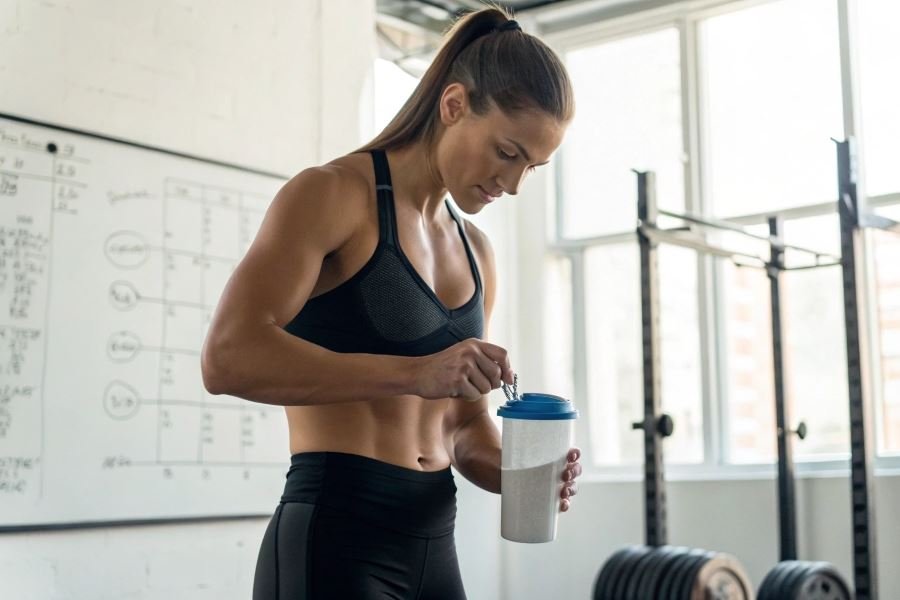
Ever wondered why your male gym buddies recover faster between sets? The secret might be sitting in that tub of white powder they scoop into their shakers. Creatine—long considered a “guys only” supplement—is finally getting the female attention it deserves, and the science is mind-blowing.
Creatine is a naturally occurring compound found in muscle cells that helps produce energy during high-intensity exercise. While men’s bodies typically store more creatine naturally, women’s physiology responds just as dramatically—sometimes even more effectively—to supplementation. When women take creatine, it increases phosphocreatine stores in muscles, allowing for faster ATP regeneration during intense activity, which translates to more power, strength, and endurance.
“The female response to creatine has been wildly underestimated. Research shows women can experience up to 15% strength increases—comparable or superior to male results.” — Journal of Strength and Conditioning Research
Shattering the creatine myths
Let’s demolish some outdated thinking: No, creatine won’t make you bulky. Women’s hormonal profiles simply don’t support the massive muscle growth that testosterone enables. And that bloating concern? Temporary water retention occurs in some users but typically stabilizes within weeks.
What science actually says
Research published in the International Journal of Sport Nutrition and Exercise Metabolism demonstrates that female athletes supplementing with creatine show significant improvements in:
- Sprint performance (up to 5% faster)
- Recovery between high-intensity efforts
- Lean muscle preservation during cutting phases
- Cognitive function under stress
The evidence is clear—creatine isn’t just for men. It’s a powerful, safe performance enhancer that works exceptionally well in the female body, backed by decades of research and countless success stories from elite female athletes worldwide.
Optimal Creatine Intake for Female Athletes
Let’s cut straight to the chase—creatine isn’t just for bulky gym bros. The science is clear: women benefit tremendously from this powerhouse supplement, but with some key differences in approach. The female physiology responds uniquely to creatine supplementation, requiring thoughtful adjustments to dosing strategies and timing protocols.
When exploring creatine for women: features of intake and effectiveness become particularly important as female athletes often have different body composition, hormonal fluctuations, and recovery patterns than their male counterparts. Research consistently shows women can achieve significant performance gains with proper supplementation strategies—sometimes even more pronounced benefits in certain cognitive measures.
Dialing in the Perfect Dose
Female athletes typically benefit from slightly lower dosages than men, primarily due to differences in muscle mass and body weight. The sweet spot? 3-5 grams daily for most women, compared to the 5-10 grams often recommended for men.
Timing matters tremendously:
- Pre-workout: Taking creatine 30-60 minutes before training enhances immediate performance
- Post-workout: Consumption within the recovery window (30-60 minutes after exercise) may optimize muscle uptake
- Daily consistency: More important than perfect timing is daily adherence
The effectiveness drops dramatically with inconsistent use, so establish a sustainable routine.
Loading Phase vs. Maintenance Approach
The traditional loading protocol involves:
| Phase | Daily Dosage | Duration | Benefits |
|---|---|---|---|
| Loading | 20g (split into 4 doses) | 5-7 days | Rapidly saturates muscles |
| Maintenance | 3-5g | Ongoing | Maintains saturation |
However, many female athletes find success with a modified approach. Research published in the Journal of Strength and Conditioning Research suggests women can achieve full muscle saturation with a more moderate protocol:
“Female athletes may achieve comparable creatine saturation levels with a reduced loading phase of 0.07g per kg of body weight, followed by a maintenance dose of 0.03g per kg.”
This translates to roughly 10-15g daily during loading for most women, significantly reducing potential side effects like bloating or digestive discomfort.
Creatine Forms: Finding Your Perfect Match
Not all creatine is created equal, especially for women concerned about water retention or digestive comfort:
Creatine Monohydrate: The gold standard, backed by decades of research. Creapure offers the highest-quality version with minimal impurities.
Creatine HCL: Features enhanced solubility and potentially reduced bloating—a significant consideration for female athletes in aesthetic or weight-class sports.
Buffered Creatine: Contains alkaline powder that may reduce conversion to creatinine and stomach discomfort, though evidence remains mixed.
Micronized Creatine: The smaller particle size improves mixability and may enhance absorption—perfect for women who experience digestive sensitivity.
The research consistently shows that while fancy forms make bold claims, creatine monohydrate remains the most cost-effective and well-researched option for female athletes. The performance benefits—including 5-15% strength increases, enhanced recovery, and improved high-intensity exercise capacity—are achievable with this classic form when dosed appropriately.
Remember: consistency trumps form. The best creatine supplement is the one you’ll take regularly as part of your training nutrition strategy.
Creatine Unlocks Female Athletic Potential
Women athletes have long been overlooked in sports supplement research, but the evidence is crystal clear: creatine delivers remarkable benefits specifically for female bodies. Let’s dive into what makes this powerhouse supplement a game-changer for women looking to elevate their fitness journey.
Strength and Power Amplification
Creatine fundamentally transforms high-intensity performance for women. Research published in the Journal of Strength and Conditioning Research shows female athletes supplementing with creatine monohydrate experience:
- 8-15% increases in maximum strength across major compound movements
- Up to 15% improvement in power output during explosive movements
- Enhanced sprint performance with significantly reduced fatigue between efforts
The magic happens because creatine boosts phosphocreatine stores in muscle tissue, rapidly replenishing ATP—your muscles’ primary energy currency—during intense bursts of activity. This means you can push harder through that final set of squats or maintain explosive power during interval training.
“The performance benefits of creatine for women are not just statistically significant—they’re immediately noticeable in training quality and output.”
Unlike many supplements with marginal effects, creatine delivers measurable improvements within 7-28 days of consistent supplementation, with many women reporting enhanced workout quality after just one week.
Body Composition Revolution
Forget outdated myths about “bulking up”—creatine helps women achieve their ideal physique through several mechanisms:
| Benefit | How It Works | Typical Results |
|---|---|---|
| Lean Muscle Development | Enhances satellite cell activity and protein synthesis | 2-4 pounds of lean mass in 8-12 weeks |
| Improved Recovery | Reduces exercise-induced inflammation and muscle damage | 24-48% faster between-session recovery |
| Training Volume Capacity | Allows more total work during resistance training | 10-15% more total volume per session |
These adaptations create the perfect environment for body recomposition—simultaneously building lean tissue while supporting fat loss efforts. A landmark study from 2021 demonstrated women using creatine alongside resistance training achieved significantly better body composition changes than the training-only group.
Beyond Performance: Health Benefits
Creatine’s advantages extend well beyond the gym:
-
Cognitive function enhancement – Research shows creatine supplementation improves memory and reduces mental fatigue during complex tasks, particularly valuable during intense work periods or sleep deprivation.
-
Bone health support – Preliminary studies indicate creatine may help maintain bone mineral density, especially important for women approaching perimenopause and beyond.
-
Glucose metabolism improvement – Emerging research suggests creatine may enhance insulin sensitivity and glucose uptake, supporting metabolic health.
-
Neuroprotective properties – Creatine appears to provide protection against neurological stress and may support overall brain health long-term.
The beauty of these benefits is they occur simultaneously with performance improvements—you’re not just building a stronger body today, but investing in long-term health and functionality.
For women seeking evidence-based approaches to fitness enhancement, creatine stands alone as perhaps the most thoroughly researched and consistently effective supplement available, delivering both immediate performance gains and long-term health advantages.