
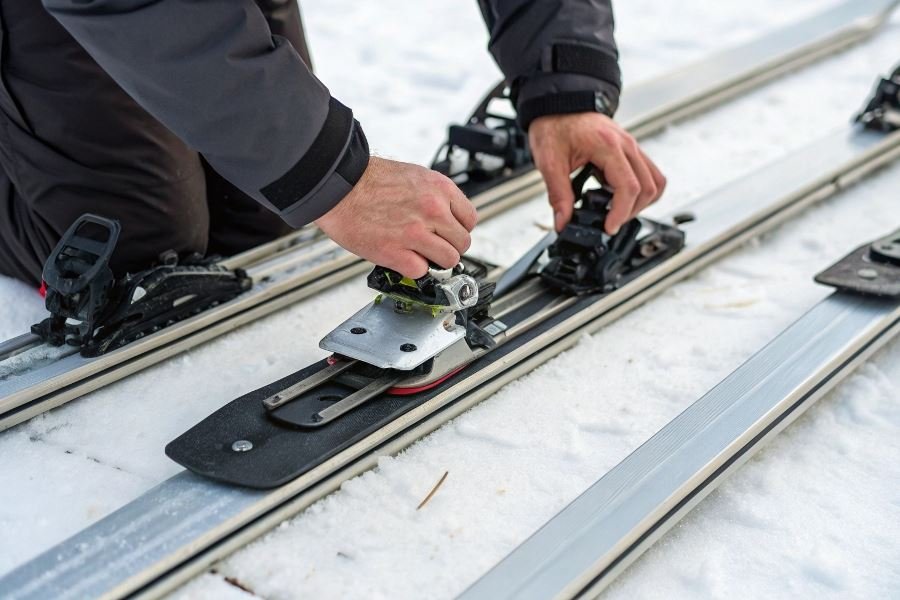
Ever watched a cross-country skier glide effortlessly across pristine snow and wondered what keeps their feet attached to those skinny skis? The unsung heroes of this winter symphony are bindings—the critical connection between your boots and skis that can make or break your experience on the trails.
For beginners looking to choose cross-country ski bindings, understanding this vital equipment component isn’t just helpful—it’s essential. Think of bindings as the transmission system of your skiing setup: they transfer your energy to the skis while allowing the precise movements needed for both pushing forward and maintaining control.
Why binding selection matters more than you think: Choosing the wrong bindings can lead to frustration, inefficiency, and even safety issues. The right bindings, however, will complement your skiing style, boot type, and skill level, creating a foundation for rapid improvement. Many newcomers focus exclusively on skis and boots, only to discover that incompatible bindings can render their entire setup unusable!
The compatibility puzzle is crucial to solve before making any purchases. Modern cross-country ski bindings follow several systems (NNN, SNS, NIS), and your boots must match your binding type. This three-way relationship between boots, bindings, and skis creates a synchronized system that, when properly matched, feels like a natural extension of your body.
“The binding is where your energy meets the snow. Get this connection right, and everything else follows.” – Professional cross-country ski coach
The Binding Decision: Mastering Cross-Country Ski Connections
When you’re gliding through pristine snow trails, the last thing you want is your boot disconnecting from your ski at a crucial moment. The binding system is your critical connection point—your power transfer interface that can make or break your cross-country skiing experience. Let’s dive into the essential factors when choosing bindings for cross-country skis for beginners and unlock the perfect match for your snow adventures.
Binding Systems: The Big Three
The cross-country skiing world revolves around three primary binding systems, each with distinct characteristics:
NNN (New Nordic Norm) – The most widespread system globally, manufactured by Rottefella. Features two parallel ridges on the toe of the boot that clip into the binding. The popularity means more boot options and widespread compatibility.
SNS (Salomon Nordic System) – Developed by Salomon, this system uses a single wide ridge under the toe. SNS comes in two variants: SNS Profil (recreational) and SNS Pilot (performance-oriented with two connection points).
Prolink – Salomon’s newer system that’s actually NNN-compatible. This strategic move has helped unify the market somewhat, giving skiers more flexibility.
Important note: These systems are NOT cross-compatible. Your boots and bindings must match the same system.
Classic vs. Skate: Different Strokes for Different Folks
Your skiing technique dramatically influences your binding choice:
| Technique | Binding Characteristics | Recommended For |
|---|---|---|
| Classic | More flexible, allows heel lift | Trail skiing, beginners |
| Skate | Stiffer, better lateral stability | Fitness-focused skiers, racers |
Classic skiing bindings offer more natural foot movement with generous heel lift for the traditional diagonal stride. If you’re planning to learn how to navigate groomed tracks with that rhythmic kick-and-glide motion, classic bindings provide the flexibility you need.
Skate bindings deliver enhanced torsional rigidity and lateral support for the side-to-side pushing motion. They transfer power more efficiently during the skating motion, which is crucial when you progress to that V-shaped skating technique.
Technical Considerations That Matter
Weight – Every gram counts when you’re lifting your foot thousands of times during a ski session. Recreational bindings typically weigh 300-400g per pair, while performance models can drop below 200g. Beginners should prioritize durability over ultra-lightweight designs.
Durability – Look for bindings with metal toe pieces rather than all-plastic construction. The toe piece endures the most stress and metal components significantly extend binding lifespan.
Release Mechanisms – Manual release systems are standard for beginners and recreational skiers. These simple designs are reliable in most conditions. As you advance, automatic safety release bindings become more relevant, especially when skiing at higher speeds.
Mounting Compatibility – Most modern bindings use the NIS (Nordic Integrated System) plate or IFP (Integrated Fixation Plate) that allows tool-free adjustment. This feature is invaluable for beginners still finding their optimal balance point.
The binding might seem like a small component of your cross-country setup, but it’s the critical interface between your energy and the snow. Investing time in selecting the right binding system pays dividends in comfort, performance, and enjoyment on the trails. Remember that as a beginner, prioritizing compatibility and ease of use over high-performance features will serve you best as you develop your skiing technique.
Top 3 Binding Options That Will Transform Your Cross-Country Journey
Choosing the right bindings can make or break your cross-country skiing experience. As someone who’s tested dozens of binding systems across countless snow-covered kilometers, I’m thrilled to share my top recommendations that will help you find your perfect match. Let’s dive into the binding options that will set you up for success from your very first glide!
Entry-level NNN bindings for classic bliss
Rottefella NNN bindings have revolutionized the beginner cross-country experience. These Norwegian-engineered marvels provide the perfect balance of security and flexibility for those just starting their classic skiing journey.
The NNN (New Nordic Norm) system features a single ridge along the toe of the boot that clicks into the binding, creating a secure connection while allowing your heel to lift naturally during the classic stride. The beauty of this system? Incredible control without sacrificing comfort.
What makes these bindings particularly beginner-friendly:
- Intuitive step-in/step-out mechanism
- Reliable snow-clearing channels that prevent ice buildup
- Adjustable tension settings that grow with your skill level
For recreational classic skiing, the Rottefella Basic model offers exceptional value at approximately $45-60, making it an accessible entry point without compromising on quality.
Versatile bindings for style explorers
If you’re the adventurous type who wants to try both classic and skate techniques, the Salomon Prolink Shift binding system deserves your attention. These bindings are the Swiss Army knives of the cross-country world, offering remarkable versatility for beginners exploring multiple skiing styles.
The Prolink system is compatible with NNN boots (a massive advantage) and features:
| Feature | Benefit |
|---|---|
| Adjustable toe piece | Customizable fit for different boot sizes |
| Enhanced lateral stability | Critical for learning skating technique |
| Automatic step-in mechanism | Easy engagement even with gloved hands |
At around $75-90, these bindings represent an investment in your skiing future, eliminating the need to purchase separate binding systems as your skills diversify.
Budget-friendly reliability champions
Not looking to break the bank? The Fischer XC Touring binding system delivers remarkable performance at a wallet-friendly price point. These bindings have earned their reputation through rock-solid reliability and user-friendly design.
What makes these bindings stand out in the budget category:
- Durable construction that withstands seasons of use
- Compatible with widely available NNN boot standards
- Simplified design that reduces potential mechanical issues
Typically priced between $35-50, these bindings prove that quality cross-country equipment doesn’t require emptying your savings account.
When selecting your bindings, remember that compatibility with your boots is absolutely essential. The binding systems mentioned above (NNN and Prolink) share compatibility, creating a versatile ecosystem for beginners. However, they won’t work with the older SNS (Salomon Nordic System) boots, so always verify compatibility before purchasing.
Your binding choice establishes the crucial connection between you and your skis. The right bindings will feel like a natural extension of your body, allowing you to focus on technique development rather than equipment concerns. Any of these three options will provide the reliable foundation you need to fall in love with cross-country skiing!