
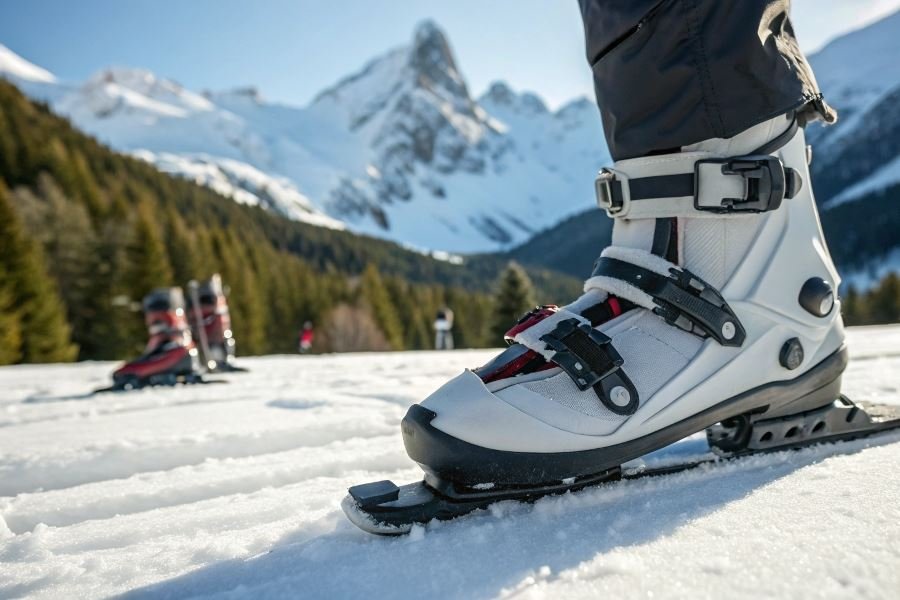
Ever glided across pristine snow only to have your feet screaming in agony halfway through? That perfect winter moment—ruined by boots that betrayed you. The difference between exhilaration and exhaustion often comes down to what’s on your feet.
Cross-country ski boots represent the critical connection between your body’s power and the skis beneath you. The market leaders in this space have earned their positions through decades of innovation, understanding that even milliseconds of energy transfer efficiency can translate to kilometers of additional distance for serious athletes.
Performance isn’t just about comfort—it’s about power transmission. When examining what separates the elite brands from the rest, three factors consistently emerge: precision fit technology, temperature regulation systems, and binding compatibility engineering. Brands like Fischer, Salomon, and Rossignol have developed proprietary systems that address these factors in distinctly different ways.
The cross-country boot market has evolved dramatically since the wooden footwear of the early 20th century. Today’s landscape reveals fascinating trends:
- Lightweight construction without sacrificing stability
- Integration of smart materials that adapt to temperature changes
- Sustainability initiatives becoming competitive advantages
The most successful manufacturers now offer specialized boots for different skiing techniques—classic, skating, and combination—recognizing that one design cannot excel across all disciplines. This specialization has created fierce competition among the top-tier brands, with each pushing technological boundaries to capture the loyalty of increasingly knowledgeable consumers.
Top 3 Cross-Country Ski Boot Brands That Dominate Trails
When winter blankets the landscape, serious Nordic skiers know that performance starts from the ground up. The most popular brands of cross-country ski boots have earned their reputation through decades of innovation, rigorous testing, and athlete feedback. Let’s dive into the three powerhouses that consistently dominate the market, examining what makes each brand unique and why they might be the perfect match for your skiing style.
Fischer: Engineering Excellence Meets Performance
Fischer has revolutionized cross-country skiing with technical innovations that consistently push the boundaries of what’s possible on snow. Their commitment to performance is evident in their flagship models like the Speedmax and RCS series.
What sets Fischer boots apart is their meticulous attention to biomechanical efficiency. Their Turnamic® binding system offers:
- Precise power transmission
- Effortless natural foot roll
- Customizable flex patterns for different skiing techniques
Fischer’s carbon fiber composite materials in their high-end models reduce weight while maintaining structural integrity—crucial for racers where every gram matters. Their boots typically feature a more aggressive forward lean angle, optimizing the skier’s position for maximum power transfer during the push phase.
“Fischer’s precision engineering creates a direct connection between intention and action—when you think about moving, you’re already there.”
Their recent advancements in thermoformable boot liners allow for personalized fit that adapts to individual foot anatomy, reducing hot spots and improving comfort during long training sessions.
Salomon: Where Comfort Meets Versatility
Salomon has built its reputation on creating boots that excel across multiple skiing disciplines. Their S/Race and Pro Combi models demonstrate their philosophy of versatility without compromise.
Salomon’s design approach centers on:
| Feature | Benefit |
|---|---|
| Custom Fit liners | Moldable foam adapts to foot shape |
| Quicklace system | One-pull tightening for perfect tension |
| Sensifit construction | Wraps the foot precisely without pressure points |
| Energyzer cuff | Optimizes forward flex while providing lateral stability |
What truly distinguishes Salomon is their commitment to creating boots that transition seamlessly between classic and skating techniques. Their Pilot binding system offers exceptional edge control for skate skiing while maintaining the natural foot movement essential for classic technique.
Salomon boots typically offer a more forgiving flex pattern, making them ideal for recreational skiers who prioritize all-day comfort without sacrificing performance. Their anatomical heel cups provide exceptional stability without restricting blood flow—crucial during cold-weather outings.
Rossignol: Heritage Craftsmanship With Modern Value
Rossignol combines over a century of ski manufacturing expertise with contemporary materials science. Their X-ium and X10 boot lines exemplify their approach to accessible performance.
Rossignol stands out for:
- Exceptional value-to-performance ratio
- Durable construction that withstands multiple seasons
- Thinsulate insulation for superior warmth in extreme conditions
- Progressive flex patterns that accommodate developing technique
The brand’s heritage in Nordic skiing is evident in their thoughtful design choices. Rossignol boots typically feature a more neutral stance position, making them forgiving for recreational skiers while still providing the precision needed as skills advance.
Their proprietary Active Control heel system minimizes lift during the kick phase while their Thermo Adjustable Fit technology allows for targeted customization around common pressure points. This combination creates a boot that feels “broken in” from the first use but maintains structural support where needed.
Rossignol also leads in sustainability initiatives, incorporating recycled materials and water-based adhesives in their manufacturing processes—an important consideration for environmentally conscious outdoor enthusiasts.
Finding Your Perfect Cross-Country Ski Boot Match
Aligning boots with your skiing identity
Choosing the right cross-country ski boots isn’t just about brand names—it’s about finding equipment that becomes an extension of your skiing style. Classic-style skiers need boots with flexibility in the forefoot to allow natural striding motion, while skate skiers require stiffer boots with lateral support for powerful push-offs.
Salomon excels with their RS and S/Race lines that offer progressive flex patterns matching different experience levels. Beginners benefit from their more forgiving models, while advanced skiers can leverage the precision of their performance boots.
Your experience level matters tremendously. Novice skiers should prioritize comfort and ease of use found in entry-level options from Fischer and Rossignol, which offer more generous fits and simpler closure systems. Advanced skiers need the precision fit and power transfer of boots like the Alpina ESK Pro or Madshus Super Nano.
The terrain you typically ski should influence your choice just as much as your technique. Groomed-trail enthusiasts need different features than those tackling variable backcountry conditions.
Value proposition across price points
Cross-country ski boots demonstrate a clear correlation between price and performance, but the sweet spot varies by brand:
| Brand | Entry Price | Mid-Range | Premium | Best Value Point |
|---|---|---|---|---|
| Alpina | $120 | $220-280 | $350+ | Mid-range offers significant upgrades |
| Fischer | $140 | $240-300 | $400+ | Entry models provide excellent durability |
| Rossignol | $130 | $200-270 | $350+ | Mid-range hits performance sweet spot |
| Salomon | $150 | $250-320 | $420+ | Premium models justify higher cost |
| Madshus | $160 | $260-330 | $400+ | Mid-range offers premium features |
The performance jump from entry to mid-range is typically more significant than mid to premium. First-time boot buyers often find the best value in the middle tier, where meaningful technology upgrades appear without the premium price tag.
Boot features that genuinely justify higher prices include:
- Carbon-reinforced cuffs for improved power transfer
- Advanced closure systems for precise fit adjustment
- Thermoformable liners for customized comfort
- Higher-quality sole materials for improved durability
The long game of boot investment
When considering cross-country ski boots as a long-term investment, durability becomes as important as performance. Atomic and Fischer consistently receive high marks for longevity, with many users reporting 7-10 seasons from their premium models.
The most economical approach isn’t always buying the cheapest option. Entry-level boots from top brands typically need replacement sooner than mid-range options, making the lifetime cost potentially higher.
Boot compatibility with future binding systems matters for long-term value. Brands committed to standardized systems like NNN from Rottefella or Prolink from Salomon offer better future-proofing than proprietary systems.
Consider these long-term investment factors:
- Replaceable parts (particularly heel counters and cuffs)
- Availability of replacement liners
- Warranty coverage (typically 1-2 years for manufacturing defects)
- Resale value (premium brands like Madshus and Fischer maintain better value)
The ideal cross-country ski boot purchase balances immediate performance needs with long-term durability considerations. By matching boot features to your specific skiing style, finding the right price-to-performance ratio for your budget, and considering the long-term investment value, you’ll end up with boots that enhance your skiing experience for many winters to come.