
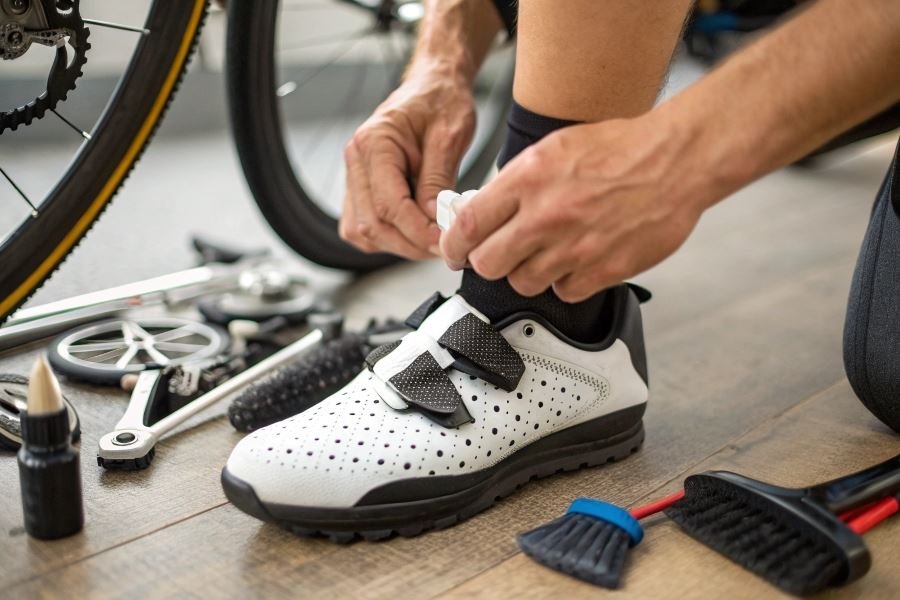
Ever watched a pro cyclist sprint to the finish line and wondered how they generate that explosive power? The secret lies partly beneath their feet. The connection between rider and bike—specifically through the shoe-pedal interface—can make the difference between podium glory and mid-pack mediocrity.
When it comes to bike shoe fastening systems, cyclists face a fundamental choice: cleats or platforms. This decision shapes everything from power transfer to comfort and safety. Think of it as choosing between being physically connected to your bike (cleats) or maintaining the freedom to quickly disconnect (platforms).
The evolution of these systems tells a fascinating story. Early cyclists in the 1860s simply wore their everyday shoes on flat pedals. By the 1890s, toe clips and straps emerged, offering improved power transfer while still using normal footwear. The revolutionary clipless pedal systems we know today didn’t gain mainstream adoption until Look introduced their ski-binding-inspired design in 1984, forever changing how cyclists connect to their machines.
Power transfer: The physics behind your pedal stroke
The primary advantage of cleats is efficiency. When properly fitted, cleated systems can increase power transfer by up to 30% compared to platforms, eliminating the energy loss that occurs when feet shift on pedals. This connection allows riders to generate force throughout the entire pedal stroke—not just on the downstroke.
Finding your perfect match: Key considerations
Your ideal system depends on several factors:
- Riding style: Racing demands cleats; casual riding favors platforms
- Technical terrain: Platforms offer quick foot removal for mountain bikers
- Comfort preferences: Platforms allow normal shoes; cleats require cycling-specific footwear
- Learning curve: Cleats require practice to master quick release in emergency situations
The right choice ultimately comes down to balancing performance needs with practical considerations for your specific cycling adventures.
Cleats vs. Platform Pedals: The Ultimate Showdown
When cyclists debate equipment choices, few topics ignite passion like the battle between cleats and platform pedals. This fundamental choice affects everything from your power output to your coffee shop swagger. Let’s dive into what separates these systems and which might be right for your riding style.
Power Transfer: Where Watts Meet the Road
The comparison of bike shoe fastening systems: cleats or platform reveals stark differences in performance metrics. Cleated systems create a mechanical connection between foot and pedal that transforms your legs into efficiency machines.
Cleats deliver 10-15% better power transfer than platforms due to their fixed connection. This isn’t just marketing hype—studies using power meters consistently show that cleated riders maintain higher average power outputs during sustained efforts. The difference becomes particularly noticeable during climbs and sprints where every watt counts.
Platforms, while less efficient on paper, offer advantages in variable terrain where quick foot adjustments matter. Their performance ceiling is lower, but their forgiveness is higher.
Foot Stability and Pressure Distribution
| System | Stability | Pressure Distribution | Hotspot Prevention |
|---|---|---|---|
| Cleats | High (fixed) | Concentrated | Requires precise setup |
| Platforms | Moderate | Dispersed | Naturally accommodating |
Cleated systems lock your feet in optimal positions, eliminating wasteful movement. However, this precision comes with responsibility—improper cleat positioning can lead to knee pain and hotspots during longer rides.
The fixed nature of cleats means your biomechanics must adapt to the system, not the other way around.
Platform pedals distribute pressure across a wider foot area, reducing hotspots during marathon sessions. They allow natural foot movement, which some riders find more comfortable for rides exceeding three hours.
Long-Ride Comfort: The Century Test
Nothing reveals comfort issues like a century ride. Cleated systems initially feel restrictive but often prove more comfortable over distance once properly adjusted. The stability they provide reduces muscle fatigue in stabilizer muscles.
Platforms shine for riders with existing foot issues or those who prefer natural movement. The freedom to shift foot position can prevent numbness on rides exceeding 50 miles.
On/Off Bike Practicality
Cleated systems transform into awkward dance partners off the bike. The characteristic “cleat walk” is immediately recognizable to fellow cyclists. Road cleats are particularly challenging on slippery surfaces, while mountain bike cleats offer recessed designs for improved walkability.
Platforms paired with casual shoes offer seamless transitions between riding and walking. This versatility makes them ideal for commuters, bike tourists, and urban explorers who frequently dismount.
Terrain Adaptability Matrix
- Road Riding: Cleats dominate for their efficiency and security during high-speed riding
- Mountain Biking: Both systems have passionate advocates—cleats for climbs, platforms for technical descents
- Gravel/Mixed Surface: The growing middle ground where either system works depending on rider preference
- Bike Packing: Platforms often win for multi-day comfort and camp usability
- Indoor Training: Cleats provide consistent metrics for structured workouts
The decision ultimately depends on your riding priorities. Cleated systems reward those seeking maximum performance and efficiency, while platforms offer unmatched versatility and natural foot movement. Many experienced cyclists eventually maintain both systems, selecting the appropriate option based on the day’s riding objectives.
Choosing Your Perfect Pedal Match
Riding Style Dictates Your Pedal System
The age-old debate between cleats and platforms isn’t just gear talk—it’s about matching technology to your riding DNA. Trail riders bombing through technical terrain often prefer Five Ten platform shoes paired with studded pedals for that quick-escape capability. The freedom to shift foot position and bail instantly makes platforms the go-to for downhill and enduro specialists.
Conversely, cross-country racers and road cyclists overwhelmingly choose cleated systems like Shimano SPD or Look for maximum power transfer. The mechanical connection between shoe and pedal transforms your pedal stroke into a 360-degree power factory, engaging muscles on both the push and pull phases.
Gravel riders face the ultimate dilemma—needing both efficiency and occasional quick dismounts. Many opt for dual-sided pedals offering both platform and cleat interfaces, or lightweight SPD systems with more float than traditional road cleats.
Investment Economics of Pedal Systems
| System Type | Initial Cost | Replacement Parts | Durability | Versatility |
|---|---|---|---|---|
| Platform | $40-150 | Pins: $10-20 | 3-5 years | High |
| SPD | $60-200 | Cleats: $15-25 | 2-4 years | Medium |
| Road Cleats | $80-350 | Cleats: $20-45 | 1-3 years | Low |
Platform systems typically require a higher upfront investment in quality shoes ($100-180) but minimal maintenance costs. The RaceFace Chester pedals at $50 paired with grippy flat shoes create a bombproof setup that can last seasons with minimal upkeep.
Cleated systems demand a more complex calculation. Entry-level Shimano PD-M520 pedals (50)seemaffordableuntilyoufactorinspecializedshoes(120-300) and replacement cleats every 6-12 months. However, the efficiency gains can translate to tangible performance benefits—potentially saving minutes on longer rides.
The hidden cost factor? Versatility. Platform shoes work off the bike, while cleated cycling shoes often require protective covers or awkward walking. For commuters and casual riders, this practical consideration often outweighs marginal performance gains.
Finding Your Perfect Match
Beginners should consider these pathways:
-
New to serious cycling: Start with quality platforms like Crankbrothers Stamp paired with sticky-soled shoes. Master fundamental skills before adding the complexity of clip-in systems.
-
Fitness-focused road riders: Try recreational SPD pedals with recessed cleats and walkable shoes. The Shimano PD-EH500 offers platform on one side, SPD on the other—perfect training wheels for cleat newcomers.
-
Competitive aspirations: Commit to discipline-specific systems. Road racers benefit from Look Keo or Shimano SPD-SL systems, while XC racers should explore lightweight SPD options.
The perfect pedal system isn’t the most expensive or lightest—it’s the one that disappears beneath you, becoming an extension of your riding intention.
For riders with knee issues, cleated systems with adjustable float can provide relief through proper positioning. Meanwhile, technical trail riders with frequent dismounts will find platforms reduce mental overhead when split-second decisions matter.
Remember that your choice isn’t permanent. Many cyclists maintain multiple pedal systems, swapping based on season, terrain, or riding objectives. The ultimate luxury? Different bikes with different pedal systems, each optimized for its purpose.