
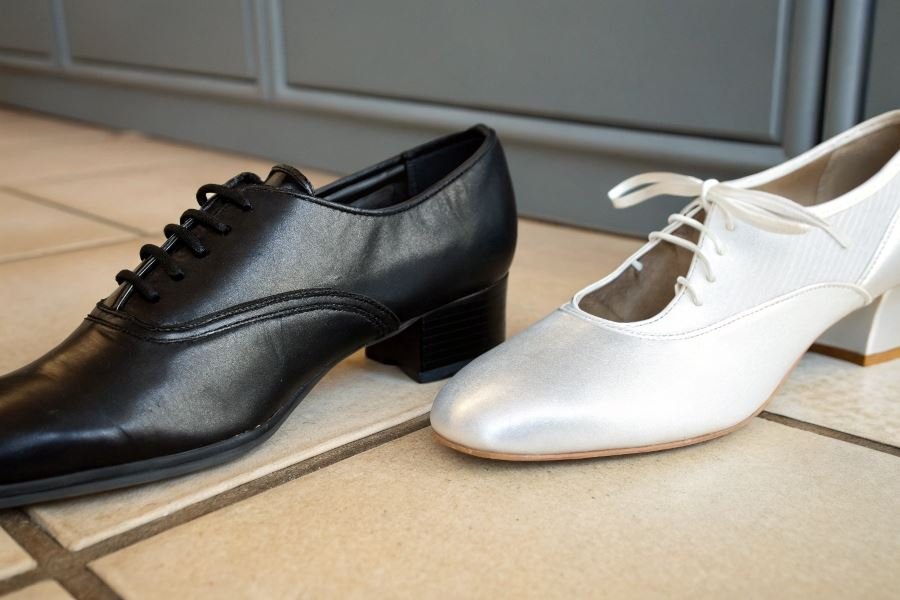
Ever watched a dancer glide effortlessly across the floor and wondered what their secret was? While talent plays a part, the truth might be right at their feet. The right dance shoes aren’t just accessories—they’re essential tools that can transform your performance and protect your body from injury.
When stepping into the world of dance, understanding how to choose proper footwear becomes your foundation for success. Different dance styles demand specific shoe characteristics that enhance movement and technique. Ballroom dancers need shoes with suede soles for perfect pivots, while tap dancers require solid construction to produce crisp, clear sounds.
Performance meets protection
Dance shoes aren’t just about looking the part—they’re engineered for safety. Proper support reduces the risk of ankle sprains, while correct cushioning prevents stress fractures that can sideline dancers for months. The right shoes work with your body’s biomechanics, not against them.
Dance style dictates design
Each dance form has evolved its own specialized footwear:
- Ballet slippers: Lightweight with split-soles for maximum flexibility
- Ballroom shoes: Feature cushioned insoles and suede outsoles with 1-3 inch heels
- Jazz shoes: Low profile with rubber splits for contemporary movements
- Tap shoes: Metal plates attached to solid soles for percussion
Speaking the language
When shopping, you’ll encounter terms like “Cuban heel,” “T-strap,” and “character shoes.” Understanding this vocabulary helps you communicate your needs precisely. “Shank” refers to the supportive structure between the insole and outsole—stiffer for ballet pointe shoes, more flexible for jazz.
Remember: your dance shoes should fit like a glove—snug but never painful. They’re the crucial interface between your artistic expression and the dance floor.
Essential Factors for Perfect Dance Shoes
Finding the right dance shoes can transform your performance from awkward shuffling to graceful movement. As a beginner navigating the world of dance footwear, understanding the key elements that make a shoe right for you is crucial. How to choose dance shoes: a guide for beginners often overlooks the technical details that separate adequate footwear from exceptional performance gear. Let’s dive into what truly matters when selecting your first pair.
Nailing the Perfect Fit
The foundation of any great dance shoe experience starts with proper sizing. Unlike street shoes, dance footwear should fit like a second skin—snug but never painful.
Measurement techniques that professionals use:
- Measure both feet late in the day when they’re slightly expanded
- Stand while measuring for weight-bearing dimensions
- Allow approximately 1/8 inch of space at the toe (much less than regular shoes)
Dance shoes typically run smaller than street shoes, often by 1-1.5 sizes for women and 0.5-1 size for men.
When trying shoes on, perform basic movements to test mobility. The heel should not slip, and toes should lie flat without cramping. Many beginners make the mistake of choosing comfort over proper technical fit, which can hinder progress and even cause injury.
| Dance Style | Recommended Fit | Common Sizing Mistake |
|---|---|---|
| Ballroom | Snug with toes touching end | Buying too loose for comfort |
| Ballet | Exact length with minimal width space | Allowing “room to grow” |
| Tap | Secure heel with wiggle room for toes | Choosing street shoe size |
Material Matters
The composition of your dance shoes dramatically affects both performance and longevity.
Leather remains the gold standard for most dance styles, offering:
- Natural breathability that synthetic materials can’t match
- Progressive molding to your foot’s unique shape
- Superior durability when properly maintained
For beginners exploring Capezio or Bloch options, consider that leather shoes might cost more initially but often outlast synthetic alternatives by 2-3 times.
Mesh panels and microfiber components provide strategic ventilation without sacrificing structural integrity—crucial for those three-hour practice sessions.
For those with ethical concerns, high-quality vegan alternatives from brands like Só Dança have made remarkable advances in flexibility and durability.
Height and Construction for Your Dance Style
The architecture of your dance shoe directly impacts technique development and safety.
Heel considerations by style:
- Latin/Salsa: Begin with 1.5-2 inch heels before progressing to competition heights (2.5-3 inches)
- Ballroom: Men typically use 1 inch heels; women start with 1.5-2 inch before advancing
- Jazz: Flat to 1.5 inch options depending on choreography requirements
The sole construction varies dramatically between styles:
- Split-soles provide maximum flexibility for ballet and contemporary
- Suede soles create the perfect balance of grip and glide for ballroom
- Rubber patches offer stability for beginners in most styles
For beginners, prioritize stability features like wider heels and reinforced shanks. As your technique develops, you can transition to more performance-oriented designs with slimmer profiles and responsive materials.
Remember that your dance shoes are specialized equipment—not fashion accessories. Their technical specifications directly influence your learning curve, comfort during long practices, and ultimately, your performance quality.
Sealing the Deal: Your Dance Shoe Decision
Finding the perfect pair of dance shoes as a beginner is the final step in your journey from spectator to performer. Let’s navigate the crucial considerations that will keep you dancing comfortably and confidently for years to come.
Smart spending for happy feet
Dance shoes represent more than just footwear—they’re specialized equipment that directly impacts your performance and safety. While budget constraints are real, viewing dance shoes as an investment rather than an expense shifts your perspective meaningfully.
Entry-level ballroom shoes typically range from $60-120, while specialized styles like professional Latin heels might command $150-250. The price difference often reflects:
- Construction quality and durability
- Materials (genuine leather vs. synthetic)
- Customization options
- Brand reputation
Pro tip: Rather than purchasing the cheapest option available, consider allocating funds for one quality pair in your primary dance style. A well-constructed $120 pair that lasts two years proves more economical than replacing $50 shoes every six months—while providing superior support and performance.
The bitterness of poor quality remains long after the sweetness of low price is forgotten.
Where to find your perfect pair
The “where to buy” question presents two distinct paths, each with compelling advantages:
Specialty dance retailers
Physical dance shops offer irreplaceable benefits:
- Expert fitting from staff who understand dance biomechanics
- Opportunity to try multiple styles simultaneously
- Immediate gratification—walk out with shoes ready for class
- Personalized recommendations based on your foot structure and dance style
Stores like Capezio and local dance boutiques provide this hands-on experience that’s particularly valuable for beginners.
Online dance retailers
Digital shopping offers:
- Vastly larger selection of brands, styles, and sizes
- Often more competitive pricing
- Convenience of home delivery
- Customer reviews from fellow dancers
Trusted online retailers like Supadance and Very Fine Dance Shoes typically offer detailed sizing guides and generous return policies.
Breaking in and maintaining dance shoe longevity
Your relationship with dance shoes begins, not ends, at purchase. Proper breaking-in and maintenance dramatically extends their lifespan and performance.
Breaking in new dance shoes:
- Wear them around the house with dance socks for 30-minute intervals
- Flex the sole repeatedly by hand to increase pliability
- Apply leather conditioner to areas that feel tight
- Use targeted stretchers for persistent problem spots
Maintenance essentials:
| Maintenance Task | Frequency | Purpose |
|---|---|---|
| Suede brush cleaning | After each use | Removes dirt, restores nap |
| Leather conditioning | Monthly | Prevents cracking, maintains suppleness |
| Heel cap inspection | Bi-weekly | Identifies wear before damage occurs |
| Complete air drying | After every use | Prevents odor and material breakdown |
Storage matters: Always use a breathable dance bag, never plastic, and insert cedar shoe trees to maintain shape and absorb moisture.
Remember that dance shoes are designed exclusively for dance floors—wearing them outdoors instantly damages the sole and dramatically shortens their useful life.
With thoughtful selection, proper care, and realistic expectations about investment, your first pair of dance shoes will support not just your feet, but your entire dance journey.