
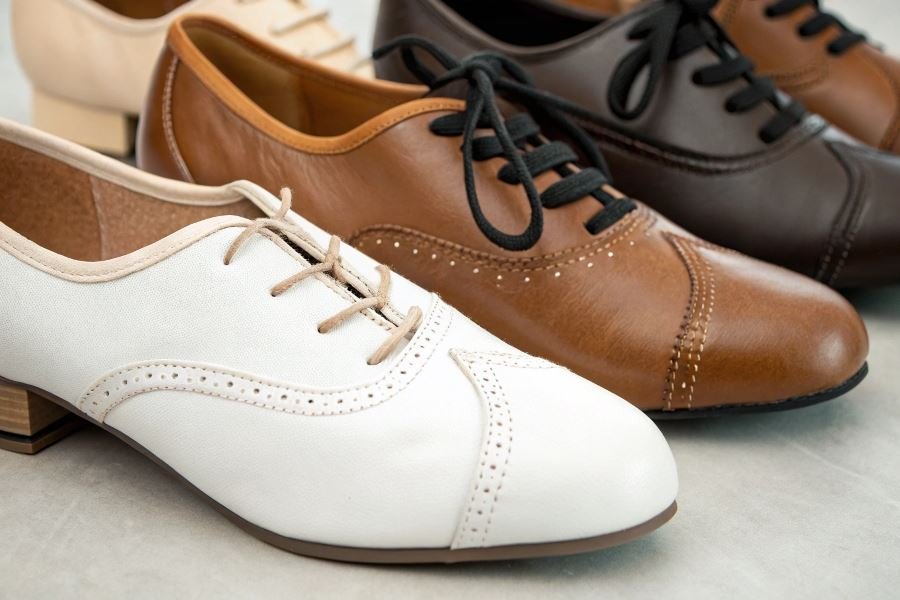
Ever watched a salsa champion glide across the floor with impossible precision while you’re stumbling in your sneakers? The secret isn’t just in the hips—it’s what’s happening below the ankles.
The right Latin dance shoes aren’t just accessories; they’re performance tools that can transform a good dancer into a great one. When you’re executing a perfect Cuban motion in salsa or the sharp staccato movements of paso doble, your shoes become an extension of your body’s expression. They’re the critical connection between your technique and the dance floor.
Dance physics 101: Each Latin style creates unique demands on your feet. The rapid spins of rumba require a smooth suede sole with just the right amount of grip, while the explosive movements of jive need enhanced shock absorption. Professional dancers understand this instinctively—their footwear choices are as deliberate as their choreography.
The performance-injury connection
The statistics are clear: up to 80% of dance-related injuries stem from improper footwear. When your arch isn’t supported during a bachata sensual or your ankle lacks stability during a challenging cha-cha sequence, your entire kinetic chain suffers.
“The difference between dancing for two hours or six hours without pain often comes down to what you’re wearing on your feet.” — Championship Latin dancer Maria Gonzalez
Style-specific requirements
Different Latin dances demand different footwear features:
| Dance Style | Key Footwear Requirements |
|---|---|
| Salsa | Flexible sole, secure ankle strap, 2-2.5″ heel for women |
| Bachata | Cushioned forefoot, moderate heel height, lightweight construction |
| Rumba | Suede sole for controlled slides, balanced weight distribution |
| Samba | Enhanced arch support, secure fit for rapid bouncing movements |
Your shoes aren’t just carrying you through the dance—they’re helping tell your story with every step, spin, and slide.
Essential Features for Perfect Latin Dance Shoes
When stepping onto the dance floor, your footwear becomes your most crucial dance partner. Selecting the right shoes for Latin American dances transforms not just your performance but your entire dancing experience. The perfect pair enhances your movements, protects your joints, and complements your style—making the difference between dancing with confidence and struggling through each step.
Many dancers spend years figuring out which shoes to choose for Latin American dances through painful trial and error. This process often leads to unnecessary injuries, wasted money, and frustration that could be avoided with proper knowledge. The right shoe isn’t just about comfort—it’s about unlocking your full potential as a dancer.
Heel Height and Style Variations Across Dances
Latin dance shoes aren’t one-size-fits-all across different styles. Each dance demands specific features:
Salsa and Mambo: Typically require 2-2.5 inch heels for women, providing the perfect balance between height and stability. Men generally wear 1.5-inch Cuban heels that support quick turns.
Bachata: Benefits from slightly lower heels (1.5-2 inches for women) to accommodate the knee flexion and body waves characteristic of this dance.
Rumba and Cha-Cha: Often performed in shoes with 2.5-3 inch heels for women, offering the elevation needed for proper hip action and leg extensions.
| Dance Style | Women’s Ideal Heel Height | Men’s Ideal Heel Height | Special Features |
|---|---|---|---|
| Salsa/Mambo | 2-2.5 inches | 1.5 inches (Cuban) | Secure ankle straps |
| Bachata | 1.5-2 inches | 1-1.5 inches | Flexible arch |
| Rumba/Cha-Cha | 2.5-3 inches | 1.5-2 inches | Wider ball area |
| Samba | 2-3 inches | 1-1.5 inches | Enhanced shock absorption |
Material and Construction Essentials
The composition of your dance shoes dramatically affects their performance and longevity:
Upper Materials: Premium Latin dance shoes typically feature soft leather or suede that molds to your feet. Synthetic options from brands like Capezio offer more affordable alternatives but may sacrifice breathability.
Sole Construction: The ideal Latin shoe has a split sole design—separate pads at the heel and ball of the foot—allowing maximum flexibility while maintaining support. The suede bottom provides the perfect balance of grip and slide on wooden floors.
Flexibility Factor: Your shoes should bend easily at the arch but maintain structure at the heel. This combination supports natural foot movement while preventing ankle injuries during rapid weight transfers.
Finding Your Perfect Fit
Latin dance shoes follow different sizing conventions than street shoes, making proper fitting crucial:
Sizing Guidelines:
- Women’s Latin shoes typically run 0.5-1 size smaller than street shoes
- Men’s styles generally match street shoe size but may require width adjustments
- European brands often use different sizing charts—always check manufacturer guidelines
The Perfect Fit Test:
- Your toes should reach the end without cramping
- Heels should fit snugly with no slippage during relevés
- Width should accommodate your foot without pinching or excess movement
- Ankle straps should secure the foot without restricting blood flow
Remember that leather shoes will stretch approximately one-quarter size with wear, while synthetic materials maintain their original dimensions. Many professional dancers prefer a slightly snug initial fit that becomes perfect after breaking in.
The investment in proper Latin dance shoes pays dividends in performance quality, comfort, and injury prevention. Your feet are your foundation—give them the support they deserve.
The Ultimate Footwear Guide for Latin Dance Enthusiasts
When it comes to Latin dancing, your shoes aren’t just accessories—they’re essential performance tools that can make or break your experience on the dance floor. The right pair delivers the perfect blend of stability, flexibility, and style, allowing you to execute those passionate salsas and sensual rumbas with confidence and flair.
Professional Ballroom Shoes for Competitive Edge
Professional dancers understand that championship-level performance demands specialized footwear. Competition shoes feature several distinct characteristics that separate them from everyday dance footwear:
Suede soles provide the ideal balance of grip and glide across polished floors, allowing for precise pivots and controlled movements. Unlike rubber soles that might stick to the floor, suede creates that “just right” connection with the surface.
The heel height matters significantly. Women’s professional Latin shoes typically feature 2.5-3 inch heels—tall enough to create beautiful lines but stable enough for complex movements. Men’s competition shoes generally have a 1.5-inch Cuban heel that elevates posture while maintaining stability.
Professional shoes from brands like Supadance and International Dance Shoes feature reinforced shanks that provide crucial arch support during hours of intense dancing.
Practice and Training Shoes for Dance Development
For beginners and intermediate dancers still developing their technique, practice shoes offer the perfect balance of comfort and functionality:
| Dancer Level | Recommended Heel Height | Key Features |
|---|---|---|
| Beginner | 1.5-2 inches (women) | Wider heel base, extra cushioning |
| Intermediate | 2-2.5 inches (women) | More flexible sole, better arch support |
| All Levels | 1-1.5 inches (men) | Cushioned insole, moderate flexibility |
Practice shoes typically feature leather uppers that provide more support than their professional counterparts, helping newer dancers build ankle strength gradually. Brands like Capezio offer excellent training shoes with slightly thicker soles that forgive missteps while still allowing proper technique development.
Cross-training options have gained popularity among intermediate dancers who practice multiple styles. These versatile shoes feature convertible soles—part rubber, part suede—allowing dancers to transition between different floor surfaces without changing footwear.
Customization and Maintenance for Maximum Lifespan
The best dancers treat their shoes as investments worthy of proper care and customization:
Personalization possibilities extend beyond just color choices. Many dancers add:
- Custom arch padding for enhanced support
- Heel protectors to prevent wear on expensive heels
- Metatarsal pads that distribute weight more evenly across the ball of the foot
Proper maintenance doubles shoe lifespan. A comprehensive care routine includes:
- Brushing suede soles after each use to remove dirt and restore nap
- Using cedar shoe trees to maintain shape and absorb moisture
- Applying leather conditioner to uppers every 2-3 months
- Replacing heel tips at the first sign of wear (approximately every 15-20 hours of dancing)
Storage matters significantly. Always keep dance shoes in a breathable bag, never plastic, and never leave them in hot cars or direct sunlight which can warp the structure and damage adhesives.
For dancers seeking ultimate longevity, brands like Ray Rose offer resoling services that can extend the life of premium dance shoes for years, making the higher initial investment more economical over time.
Remember that even the best shoes eventually need replacement—when the shank loses rigidity or the upper stretches beyond recovery, it’s time for new footwear to keep your dancing safe and spectacular.