
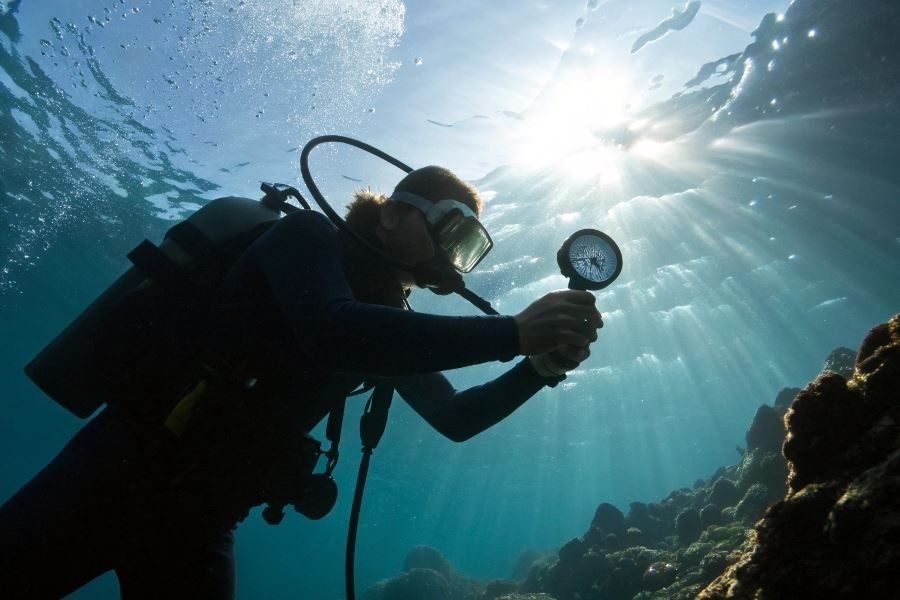
Ever stood waist-deep in chilly ocean water, feeling that first cold rush seep through an ill-fitting wetsuit? That moment perfectly illustrates why proper sizing isn’t just about comfort—it’s about survival in challenging conditions.
Finding your perfect wetsuit match is like discovering a second skin that works with you, not against you. A properly fitted wetsuit creates a thin water layer between neoprene and skin that your body quickly warms, creating an insulating barrier against the elements. Too loose, and cold water flushes through constantly; too tight, and you’ll restrict movement and breathing—potentially dangerous during intense activity.
Wetsuit thickness is your first consideration, measured in millimeters and often displayed as two numbers (like 3/2mm), with the larger number indicating core thickness and the smaller for limbs. For summer surfing in California, a 3/2mm suits most conditions, while winter waters might demand a 5/4mm with hood and booties.
Brand sizing variations can be frustratingly inconsistent. O’Neill tends to run slightly smaller than Rip Curl, while Billabong often fits more generously in the shoulders. Most manufacturers now offer detailed sizing charts with not just height and weight but chest, waist, and hip measurements for precision fitting.
“The right wetsuit doesn’t just keep you warm—it extends your session time and improves performance by reducing fatigue from fighting both elements and equipment.”
Remember: your perfect wetsuit should feel snug everywhere without restricting movement, particularly across shoulders and chest.
Essential Measurements for the Perfect Wetsuit Fit
Finding a wetsuit that fits like a second skin isn’t just about comfort—it’s about performance. When water seeps between your body and an ill-fitting wetsuit, you lose precious body heat and that magical thermal barrier disappears. Getting the right measurements is your first defense against the cold water waiting to challenge you.
The process of how to choose the right size of wetsuit starts with understanding your unique body dimensions. Think of your measurements as your personal wetsuit code—crack it correctly, and you’ll be rewarded with warmth, flexibility, and optimal performance in the water. Whether you’re surfing Pacific breaks or diving in Atlantic depths, these measurements will be your guide to neoprene nirvana.
Key Body Measurements That Matter
Your wetsuit journey begins with five critical measurements that manufacturers use to determine sizing:
Height and Weight: These baseline measurements provide the foundation for your wetsuit size. They’re the first filter in narrowing down options.
Chest: Measure at the fullest part, typically across the nipples, while breathing normally.
Waist: Find your natural waistline (usually near your belly button) and measure around.
Hips: Measure around the fullest part of your buttocks.
Some premium brands like O’Neill or Rip Curl may also request:
Inseam: The distance from your crotch to ankle.
Shoulders: Across your back from shoulder to shoulder.
Taking Precision Measurements at Home
Accuracy is everything when measuring for a wetsuit. Here’s how to nail it:
-
Use the right tools: A soft measuring tape is essential—rigid construction tapes will give inaccurate readings.
-
Wear thin clothing: Measure over form-fitting clothes or swimwear, similar to what you’d wear under a wetsuit.
-
Stand naturally: Maintain good posture but don’t flex or hold your breath.
-
Get help: A friend can ensure the measuring tape stays level and reads accurately.
Pro tip: Take each measurement twice to confirm accuracy. Even a half-inch difference can affect your wetsuit comfort.
Decoding Sizing Charts Like a Pro
Each brand has its own sizing philosophy. Here’s how to navigate the charts effectively:
| Measurement | Common Mistake | Pro Approach |
|---|---|---|
| Height/Weight | Using only one metric | Consider both as primary filters |
| Chest | Measuring while inhaling deeply | Measure during normal breathing |
| Waist | Measuring too low | Find true waistline above hip bones |
| Hips | Measuring too high | Ensure tape goes around fullest part |
Between sizes? Consider your primary water activity:
- Surfing: Lean toward the smaller size for less water flushing
- Diving: Consider the larger size for easier donning and comfort during long sessions
- Triathlon: Prioritize shoulder mobility with a size that feels snug but allows full stroke motion
Remember that Patagonia wetsuits tend to run slimmer, while Billabong often accommodates athletic builds with broader shoulders.
A properly sized wetsuit should feel snug everywhere without restricting breathing or movement. When trying it on, you should be able to squat, reach overhead, and simulate your water activity without feeling pinched or constricted.
Your perfect wetsuit is out there—and with these precise measurements as your guide, you’re now equipped to find it.
Advanced Wetsuit Sizing Mastery
When it comes to wetsuits, basic measurements are just the starting point. True performance comes from understanding the nuanced relationship between your body, your sport, and your neoprene second skin. Let’s dive deeper into the art and science of wetsuit sizing excellence.
Activity-Specific Sizing Considerations
Different water activities demand different fits, and knowing these distinctions can dramatically improve your experience:
Surfing wetsuits should fit like a second skin—snug but not restrictive. Too loose and you’ll suffer from water flushing (that uncomfortable rush of cold water entering your suit); too tight and you’ll sacrifice the paddle mobility essential for catching waves. The shoulders and arms need particular attention, as restricted movement here will quickly lead to fatigue.
Diving wetsuits typically benefit from a slightly more generous fit than surfing models. Why? Compression at depth is real—a perfectly snug suit at the surface can become uncomfortably tight at 30 feet down. Additionally, divers move differently than surfers, with less dynamic overhead movement and more focus on streamlined efficiency.
Triathlon wetsuits require the most precise fit of all. These performance-oriented suits are engineered for swimming efficiency and rapid transitions. They should feel almost too tight on land—many triathletes size down for racing—but become perfect once in water position. The shoulders must allow for a full swimming stroke without resistance.
Decoding Wetsuit Styles and Cuts
The cut of your wetsuit dramatically affects how sizing works:
| Wetsuit Style | Fit Characteristics | Sizing Advice |
|---|---|---|
| Full Suit (3/2, 4/3) | Complete coverage, balanced mobility | Follow manufacturer sizing, prioritize chest/height |
| Spring Suit | Shorter limbs, more flexibility | Can sometimes size down for performance |
| Farmer John/Jane | Sleeveless design, leg coverage | Chest measurement becomes critical |
| Short John/Jane | Minimal coverage, maximum mobility | Often more forgiving in sizing |
The thickness of neoprene also impacts sizing decisions. Thicker neoprene (5mm+) has less natural stretch, so consider sizing up if between sizes.
Strategic Sizing Adjustments
Sometimes the size chart doesn’t tell the whole story. Here’s when to strategically adjust:
Size down when:
- You’re between sizes and prioritize thermal efficiency
- The wetsuit material has significant stretch (like Yamamoto neoprene)
- You’re willing to endure a more challenging entry/exit for performance benefits
- Water temperatures are borderline for the suit’s rating
Size up when:
- Comfort is your primary concern
- You have a broader chest-to-height ratio than typical sizing charts
- You’ll be wearing substantial layers underneath (common for cold-water diving)
- The wetsuit features minimal stretch neoprene
Pro tip: The perfect wetsuit should feel uncomfortably snug on land but transform to perfect comfort once in water. If it feels comfortable in the changing room, it’s probably too big.
Remember that different brands have distinct sizing philosophies. O’Neill wetsuits typically run true to size, while Rip Curl often runs slightly smaller. Always check brand-specific sizing guides before making your final decision.
Your wetsuit is more than gear—it’s the technology that enables your water passion. The right size doesn’t just fit; it enhances every moment of your aquatic adventure.