
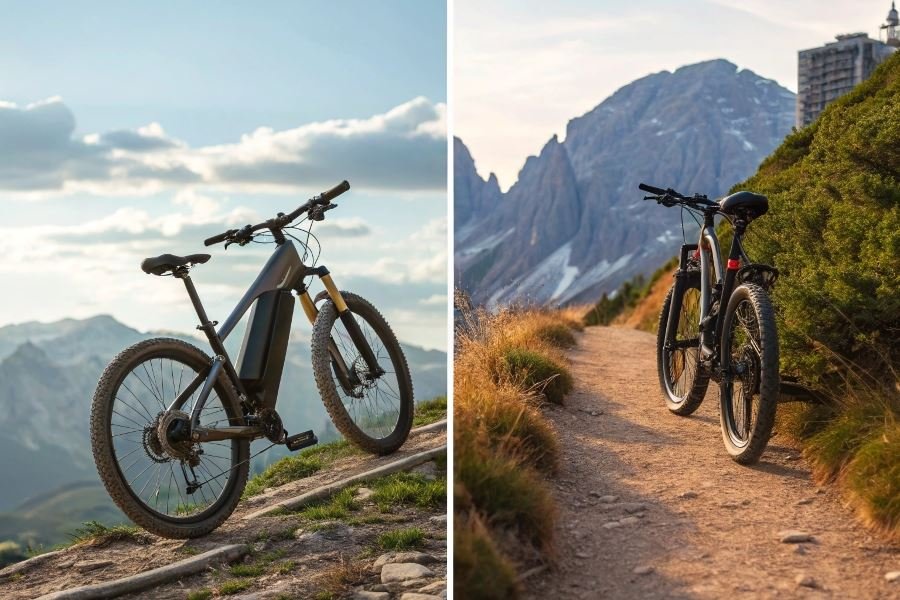
Ever stood in front of rows of gleaming bicycles, feeling simultaneously excited and overwhelmed? That moment—where possibility meets paralysis—is exactly why choosing your first bicycle deserves more than just a casual approach.
Selecting the right bicycle isn’t merely about picking a transportation tool; it’s about finding a trusted companion for adventures yet to come. Whether you’re looking to shed those stubborn pounds, reduce your carbon footprint, or simply rediscover the childlike joy of feeling the wind against your face, your bicycle choice forms the foundation of your entire cycling experience.
The selection process doesn’t need to be complicated, but it does require thoughtfulness. Consider it like dating—compatibility matters! Your height, weight, riding environment, and goals all influence which bicycle will serve you best. A mountain bike might look rugged and appealing, but if you’re primarily commuting on paved roads, you’ll quickly find yourself working harder than necessary.
Cycling delivers benefits that few other activities can match. Beyond the obvious cardiovascular improvements (cyclists typically enjoy the fitness level of someone 10 years younger), cycling offers low-impact exercise that’s gentle on joints while strengthening your core and lower body. As a transportation method, it saves money—the average American spends over $9,000 annually on car-related expenses—while providing the satisfaction of sailing past gridlocked traffic.
The right bicycle doesn’t just take you places; it transforms how you experience the journey itself.
Essential Factors for Your First Bicycle
Finding the perfect bicycle can feel like searching for a needle in a haystack, especially when you’re just starting out. The cycling world is packed with options that might leave your head spinning faster than a carbon fiber wheel. But don’t worry—choosing your first bike doesn’t have to be overwhelming.
When approaching how to choose a bicycle for beginners, four critical factors will guide you toward the perfect ride: your primary riding purpose, understanding different bicycle types, finding the correct fit, and establishing a realistic budget. These elements form the foundation of a satisfying cycling experience that will keep you pedaling for years to come.
Match Your Riding Purpose
Your first consideration should be why you want to ride. This single question shapes everything else.
Commuting: If you’re planning to ride to work or school, prioritize durability, comfort for upright positioning, and practical features like fender and rack mounts. Commuter bikes need to be reliable in various weather conditions and carry your essentials.
Recreation: Weekend warriors seeking leisurely rides through parks or along scenic paths need comfortable geometry, stable handling, and easy-to-use gears. Recreational riding emphasizes enjoyment over speed or technical performance.
Fitness: Those looking to improve cardiovascular health or lose weight might prefer more efficient designs that allow for longer distances and varied terrain.
The right bicycle isn’t the most expensive or flashiest one—it’s the one that gets ridden most often.
Bicycle Types Decoded
Different riding purposes call for specific bicycle designs:
| Bicycle Type | Best For | Key Features |
|---|---|---|
| Road Bikes | Paved surfaces, speed, fitness | Lightweight, drop handlebars, thin tires |
| Mountain Bikes | Off-road trails, rough terrain | Suspension, wide tires, durable construction |
| Hybrid Bikes | Mixed terrain, versatility | Flat handlebars, medium-width tires, upright position |
| Cruisers | Casual neighborhood riding | Comfortable seat, upright position, simple gearing |
| Gravel Bikes | Mixed surfaces, adventure | Drop bars, wider tires than road bikes, stable geometry |
Each type offers distinct advantages. Trek and Specialized offer excellent beginner-friendly options across these categories.
Finding Your Perfect Fit
Frame size matters more than almost anything else. A properly fitted bicycle prevents injury, enhances comfort, and improves efficiency. Most manufacturers provide size charts based on height, but consider these additional factors:
- Standover height: You should have 1-2 inches of clearance when standing over the top tube
- Reach: Your torso and arms should be comfortably extended, not stretched or cramped
- Stack height: Affects how upright or aggressive your riding position will be
Many local bike shops offer professional fitting services, which are absolutely worth the investment for beginners. REI provides excellent fitting guidance for new cyclists.
Setting a Realistic Budget
Quality bicycles represent a significant investment, but they deliver tremendous value through durability, performance, and enjoyment.
Entry-level quality: 350−750
Mid-range options: 750−1,500
High-performance beginner bikes: 1, 500−2,500
Remember to budget for essential accessories:
- Helmet (50−150)
- Lock (30−100)
- Lights (30−150)
- Basic maintenance tools (50−100)
While it’s tempting to go for the cheapest option, extremely low-priced bicycles often use components that wear quickly and require frequent replacement—ultimately costing more than a quality bike would have initially.
The perfect beginner bicycle balances your riding purpose, appropriate style, correct fit, and reasonable budget. Take your time with this decision, and you’ll be rewarded with countless miles of enjoyable riding.
Ride Your Way: The Top 3 Bicycle Types for Beginners
Finding your perfect first bike doesn’t have to feel like navigating a maze blindfolded. Let’s cut through the confusion and explore the three bicycle types that consistently prove themselves as excellent starting points for newcomers to cycling.
Road Warriors
Road bikes are the sleek speedsters of the cycling world. Built for efficiency on paved surfaces, these lightweight machines feature narrow tires, drop handlebars, and frames designed to put you in an aerodynamic position.
Why beginners love them:
- Incredible efficiency—your pedaling power translates directly to forward motion
- Lightweight construction (typically 17-22 pounds) makes them easy to maneuver
- Perfect for fitness goals, commuting on good roads, or weekend distance rides
Road bikes from brands like Trek and Specialized offer entry-level models starting around $900, giving you quality components without breaking the bank.
The road bike learning curve is steeper than other options, but the payoff in speed and efficiency makes many beginners willing to adapt.
These bikes shine on smooth pavement and are ideal if your riding goals include fitness, speed, or eventually participating in organized rides or races.
Mountain Mavericks
Mountain bikes are the rugged, go-anywhere option built to handle trails, rocks, roots, and rough terrain with confidence.
Key mountain bike features:
- Wide, knobby tires (typically 2.3-2.6 inches) for superior traction
- Suspension systems to absorb impacts (front suspension or full suspension)
- Powerful disc brakes for reliable stopping in all conditions
- Upright riding position for better visibility and control
| Suspension Type | Best For | Typical Price Range |
|---|---|---|
| Hardtail (front only) | Beginners, trails, some commuting | 500−1,200 |
| Full Suspension | Rougher terrain, more technical trails | $1,500+ |
Brands like Giant and Cannondale offer excellent entry-level mountain bikes that provide durability and performance for new riders.
Mountain bikes excel when the pavement ends, but they’re versatile enough to handle commuting duties—especially if your route includes rough roads, gravel paths, or the occasional shortcut through a park.
Hybrid Heroes
Can’t decide between road and mountain? Hybrids combine elements of both to create the Swiss Army knife of bicycles.
What makes hybrids special:
- Medium-width tires (usually 32-42mm) balance speed and comfort
- Upright riding position reduces strain on your back and neck
- Mounting points for racks and fenders make them practical for daily use
- Simplified gearing systems that are intuitive for beginners
Hybrids from Specialized and Marin typically range from 450−800, offering tremendous value for new cyclists.
The hybrid’s versatility makes it the most popular choice for beginners who aren’t yet sure where their cycling journey will take them.
These bikes handle commuting, fitness riding, weekend adventures, and light trail use with equal aplomb. If you want one bike that can do almost everything reasonably well, the hybrid deserves your attention.
Remember that your first bike doesn’t need to be your forever bike—many cyclists start with a hybrid or entry-level option in one category before discovering which riding style speaks to them most. The important thing is getting on two wheels and starting your cycling adventure!